Heavy-Duty Vibration Monitoring for Hazardous Areas
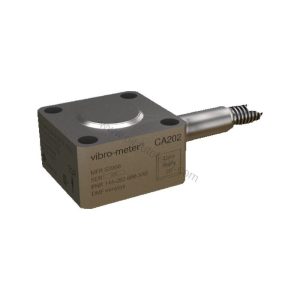
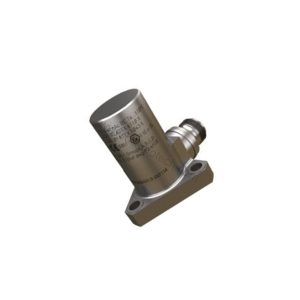
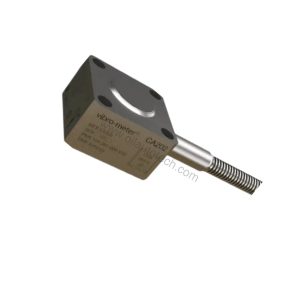
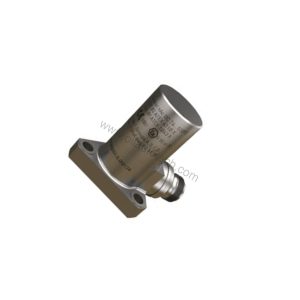
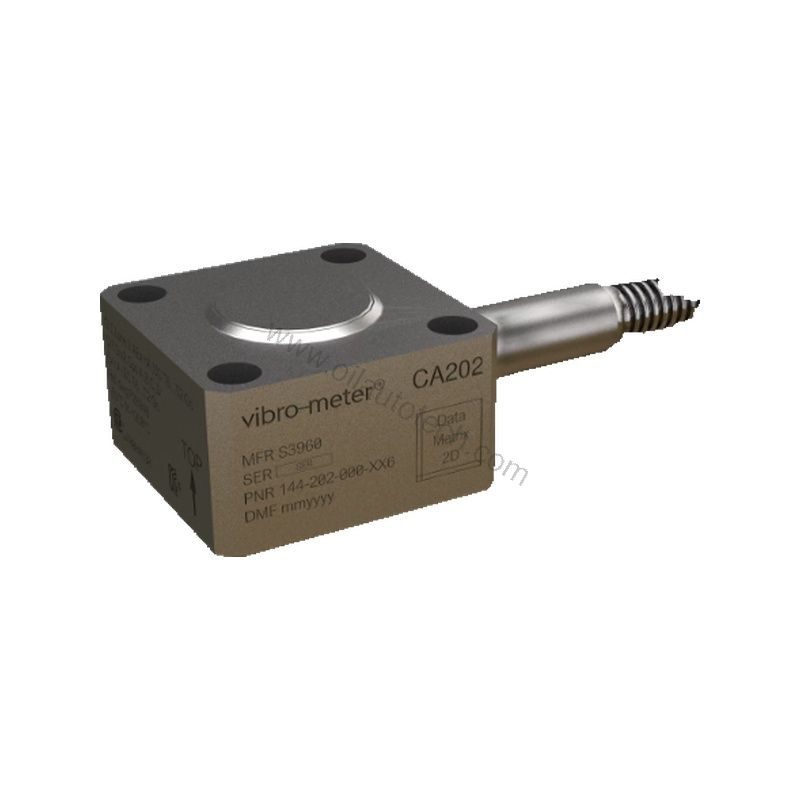
When vibration monitoring fails in a hazardous area, unplanned downtime follows. The 144-202-000-136 from Vibro Meter solves that problem. This CA202 piezoelectric accelerometer is the Ex version with a 20 m integral cable, built for continuous measurement in potentially explosive atmospheres and harsh industrial environments.
What the CA202 Accelerometer Delivers
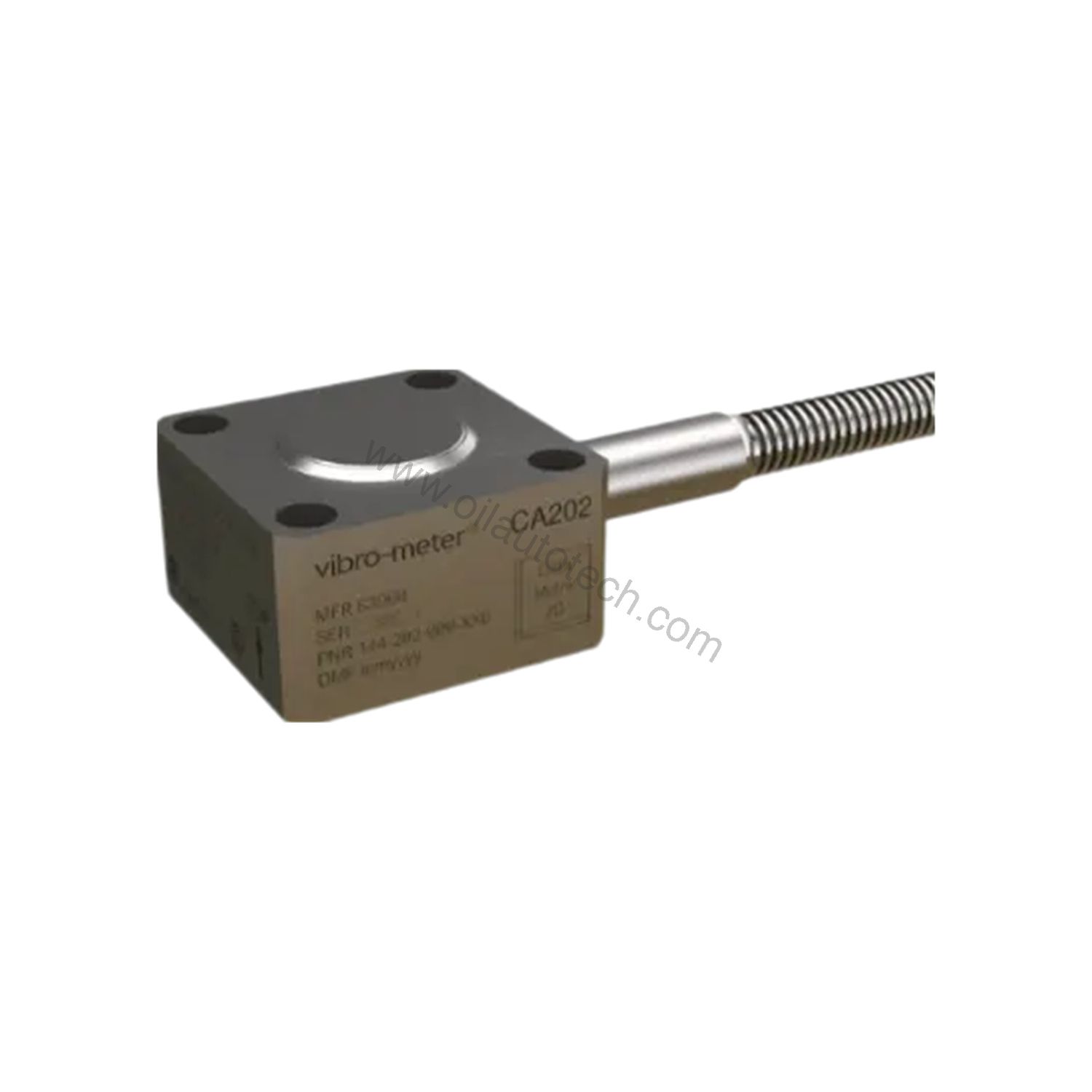
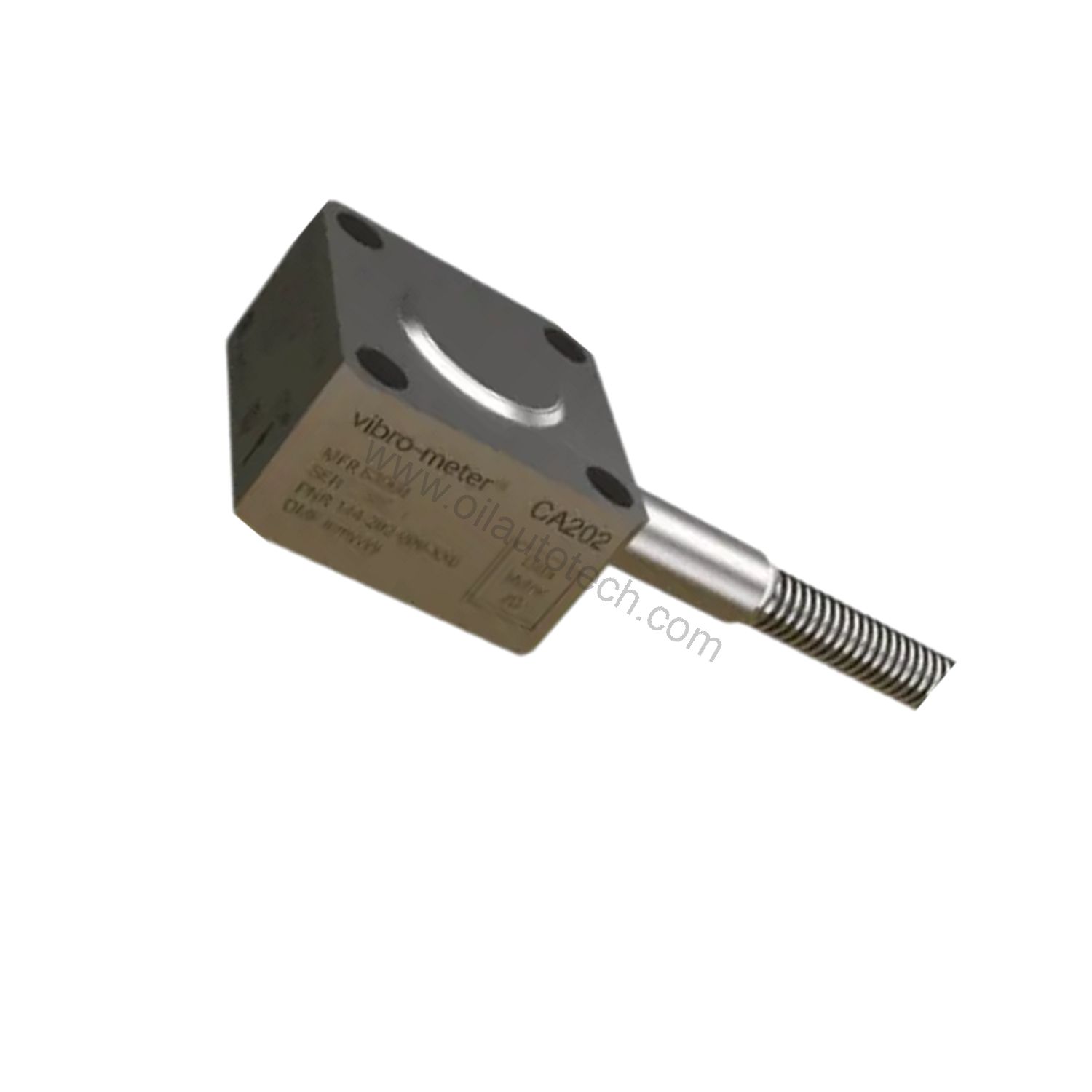
The CA202 uses a symmetrical shear-mode polycrystalline measuring element with internal case insulation. Its housing is austenitic stainless steel, hermetically welded to a heat-resistant stainless-steel protection hose. The result is a sealed, leaktight assembly impervious to 100% relative humidity, water, steam, oil, and sea-salt atmospheres, plus dust, fungus, and sand.
With 100 pC/g sensitivity and a 0.5 to 6000 Hz frequency response, this sensor captures the vibration detail that rotating machinery demands. The dynamic measurement range spans 0.01 to 400 g peak, with overload capacity up to 500 g peak for spikes.
Key Specifications at a Glance
| Parameter | Value |
|---|---|
| Sensitivity | 100 pC/g ±5% |
| Frequency response | 0.5 to 6000 Hz, ±5% |
| Dynamic range | 0.01 to 400 g peak |
| Overload capacity | Up to 500 g peak |
| Temperature range (sensor) | −55 to +260°C |
| Temperature range (cable) | −55 to +200°C |
| Resonant frequency | >22 kHz nominal |
| Transverse sensitivity | ≤3% |
| Case material | Austenitic stainless steel |
| Weight (sensor) | 250 g approx. |
| Mounting | Four M6 × 35 Allen screws, 15 Nm |
| Connector | Flying leads |
Where This Accelerometer Performs
The 144-202-000-136 suits industrial vibration monitoring on pumps, compressors, turbines, and motors. In oil and gas facilities, its Ex certification allows installation in hazardous areas where standard sensors cannot go. The hermetically welded stainless-steel construction also handles offshore platforms, chemical plants, and other corrosive settings.
Because the sensor needs no input power, it works with a charge converter such as the IPC70x signal conditioner. This keeps the measurement chain simple and reliable.
Installation and Integration Notes
Mount the sensor with four M6 × 35 Allen screws and M4 spring-lock washers at 15 Nm nominal torque. The symmetrical design with differential output and internal case insulation helps reduce ground-loop noise. The integral 20 m cable terminates in flying leads for direct connection to your signal conditioner.
If you plan to route this signal into a fieldbus network, you may need an external gateway or connection module. Confirm cables and gateways with your supplier before ordering.
Maintenance and Long-Term Reliability
The sealed, leaktight assembly resists moisture, steam, and contaminants, so routine inspection is straightforward. Check mounting torque periodically and inspect the stainless-steel protection hose for mechanical damage. The wide −55 to +260°C operating range means the sensor tolerates extreme process conditions without drift concerns.
Selection Checklist
Before buying, confirm your signal conditioner accepts charge output and matches the 100 pC/g sensitivity. Verify the 20 m cable length suits your installation layout. For hazardous areas, confirm the Ex version meets your classification requirements.
Oil AutoTech supplies ready-to-ship spares for oil, gas, and industrial automation applications. Contact Oil AutoTech today for pricing and availability.