Product Overview
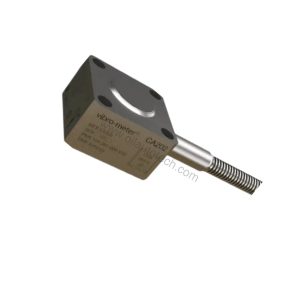
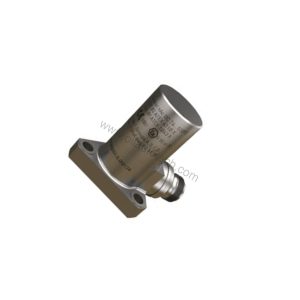
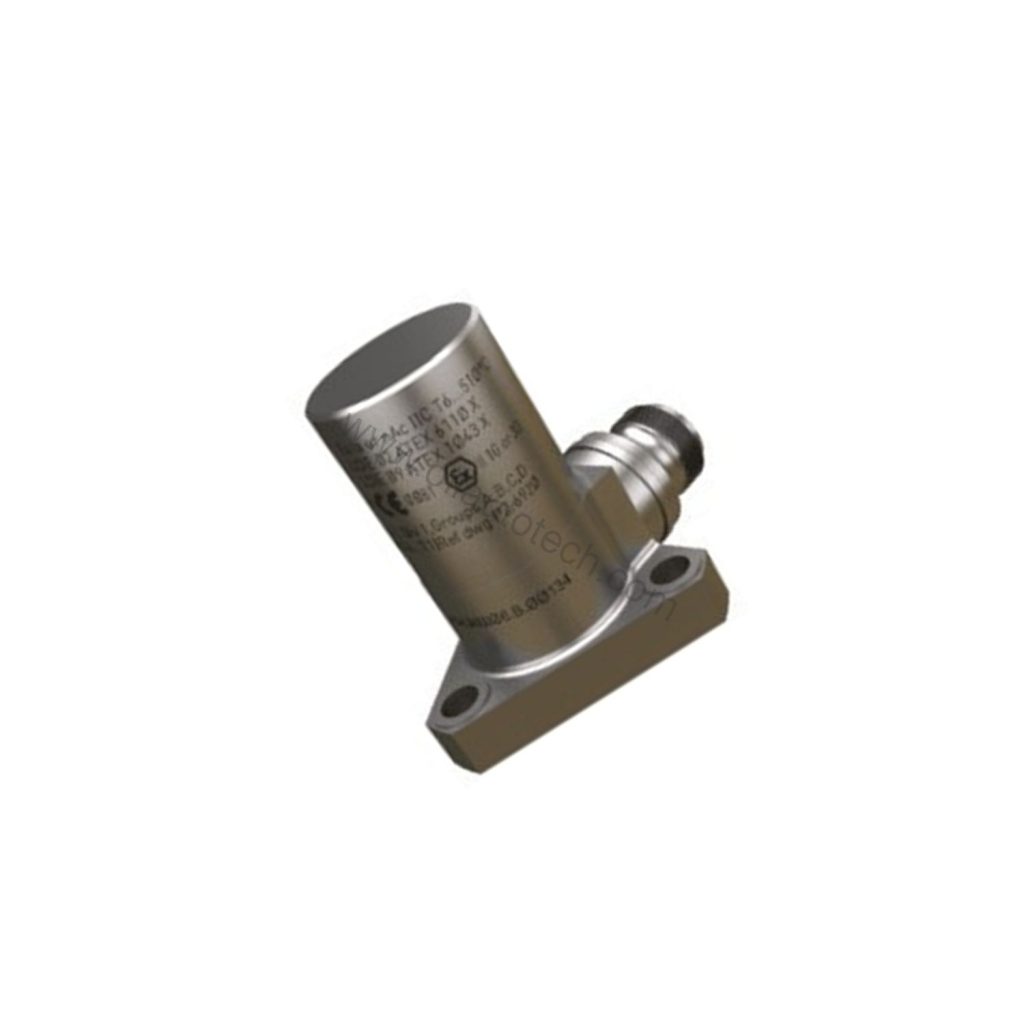
When unplanned downtime costs thousands per hour, the Vibro Meter CA901 144-901-000-252 piezoelectric accelerometer delivers the reliability you need. This charge-output sensor operates from -196°C to +700°C and is certified for ATEX Zones 0, 1, and 2. It meets NRC Guide 1.133 and IEEE 323-1974, making it a practical choice for critical machinery protection.
Technical Specifications
The CA901 uses a 2-pole system insulated from its casing. It requires no input power, which simplifies wiring and reduces long-term energy costs. Sensitivity is 10 pC/g ±5% at 120 Hz, with a dynamic measuring range of 0.001 g to 200 g peak. Overload capacity reaches up to 500 g peak, so the sensor survives spikes that would destroy lesser units.
Frequency response is 3 Hz to 2800 Hz nominal (±5%), extending to 3700 Hz with less than 10% deviation. The mounted resonance frequency exceeds 17 kHz nominal. Linearity stays within ±1% across the dynamic range, and transverse sensitivity remains below 5%. These specs translate directly into accurate, repeatable data—reducing false alarms and unnecessary maintenance calls.
Built for Extreme Environments
The CA901 thrives where standard accelerometers fail. Continuous operation spans -54°C to +650°C, with extreme capability from -196°C to +700°C. The Inconel 600 hermetically welded housing resists corrosion and humidity. It handles pressure up to 140 bar at 23°C and 80 bar at 300°C. Radiation tolerance is equally impressive: gamma flux up to 1011 erg/g and neutron flux up to 1018 n/cm² cause no effect.
For explosive atmospheres, the EC type examination certificate LCIE 08 ATEX 6017 X II 1 G covers Zones 0, 1, and 2 with Ex ia IIC T6 to T710. This certification lets you install the sensor directly in hazardous areas without additional barriers, cutting installation cost and complexity.
Cost-Saving Applications
In oil and gas, the CA901 monitors loose parts in turbines and compressors. Its wide frequency response catches early-stage impact events, helping you schedule maintenance before catastrophic failure. The extreme temperature range suits exhaust gas monitoring and cryogenic processes, where replacing a standard sensor every few months adds up fast.
For nuclear and power generation, radiation tolerance eliminates frequent sensor swaps. The CA901’s proven reliability reduces spare-part inventory and labor. Each avoided shutdown quickly pays for the sensor many times over.
Installation and Maintenance
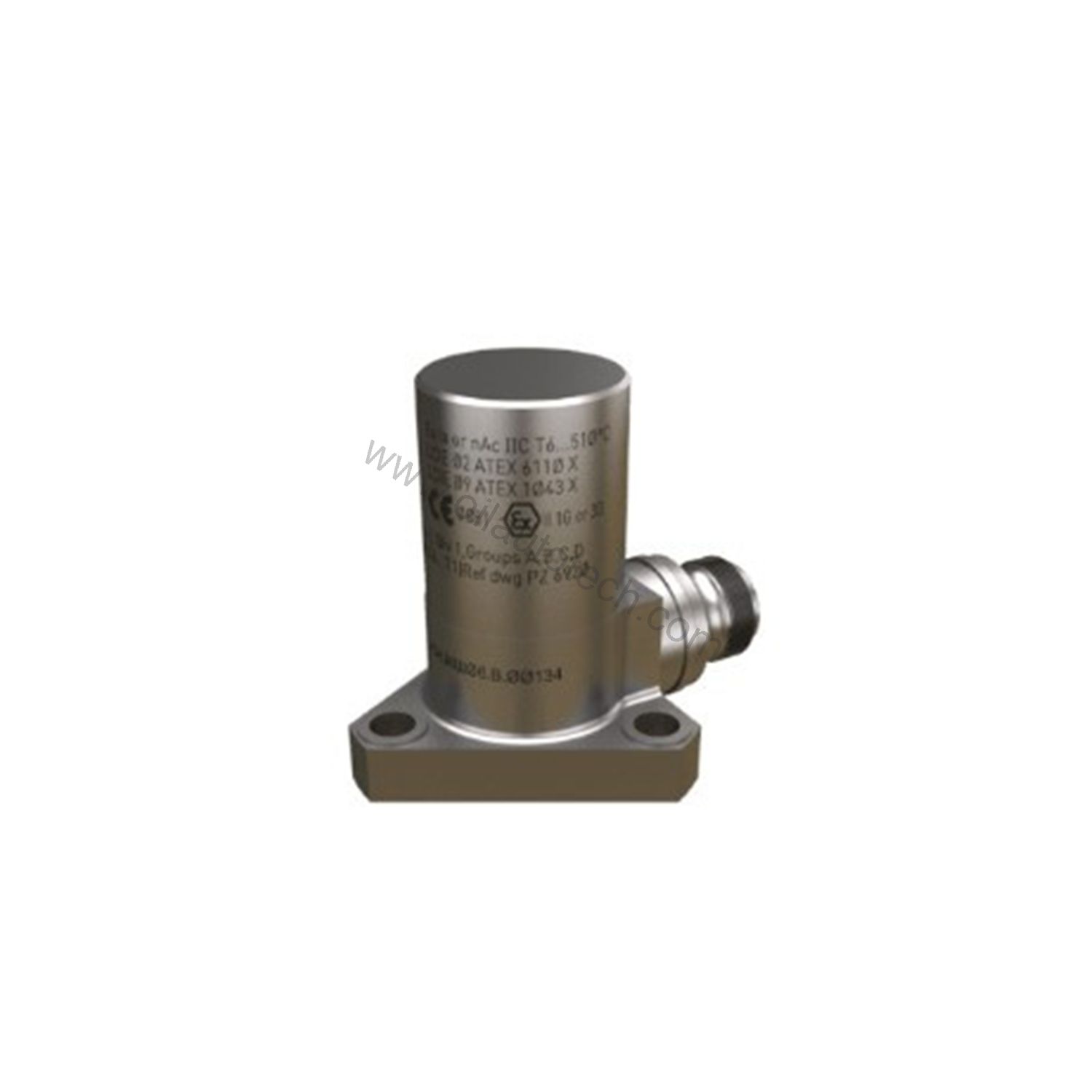
Mount the CA901 inside a tube using four Allen screws M6 at 15 Nm fastening torque. The 2-pole insulated system requires a charge converter; lower cutoff frequency depends on the electronics you pair with it. Internal insulation resistance is minimum 109 Ω, and capacitance is 80 pF pole-to-pole plus 200 pF/m of cable, or 18 pF pole-to-casing plus 300 pF/m of cable.
Inspect periodically for loose mounting and cable wear. Follow the manufacturer’s safety manual for all maintenance. No power wiring is needed, which simplifies routine checks.
Why Choose Oil AutoTech
Oil AutoTech supplies fast-dispatch spares for oil, gas, and industrial automation. We offer hands-on technical selection help to match the CA901 to your specific cable length and connector needs. Contact Oil AutoTech today for pricing and availability.
Frequently Asked Questions
What makes the 144-901-000-252 suitable for ATEX Zone 0?
It holds EC type examination certificate LCIE 08 ATEX 6017 X II 1 G, covering Zones 0, 1, and 2 with Ex ia IIC T6 to T710 protection.
Does this accelerometer require external power?
No. Input power requirements are none. It generates a charge output and needs a charge converter for signal processing.
What is the maximum temperature range?
Continuous operation is -54°C to +650°C. Extreme capability extends from -196°C to +700°C.
How is the sensor mounted?
It mounts inside a tube using four Allen screws M6 with 15 Nm fastening torque.
What cable length is available?
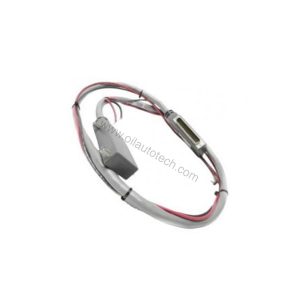
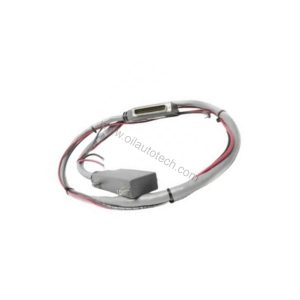
The ordering number 144-901-000-252 specifies an 8 m cable with a Lemo connector.