Product Overview
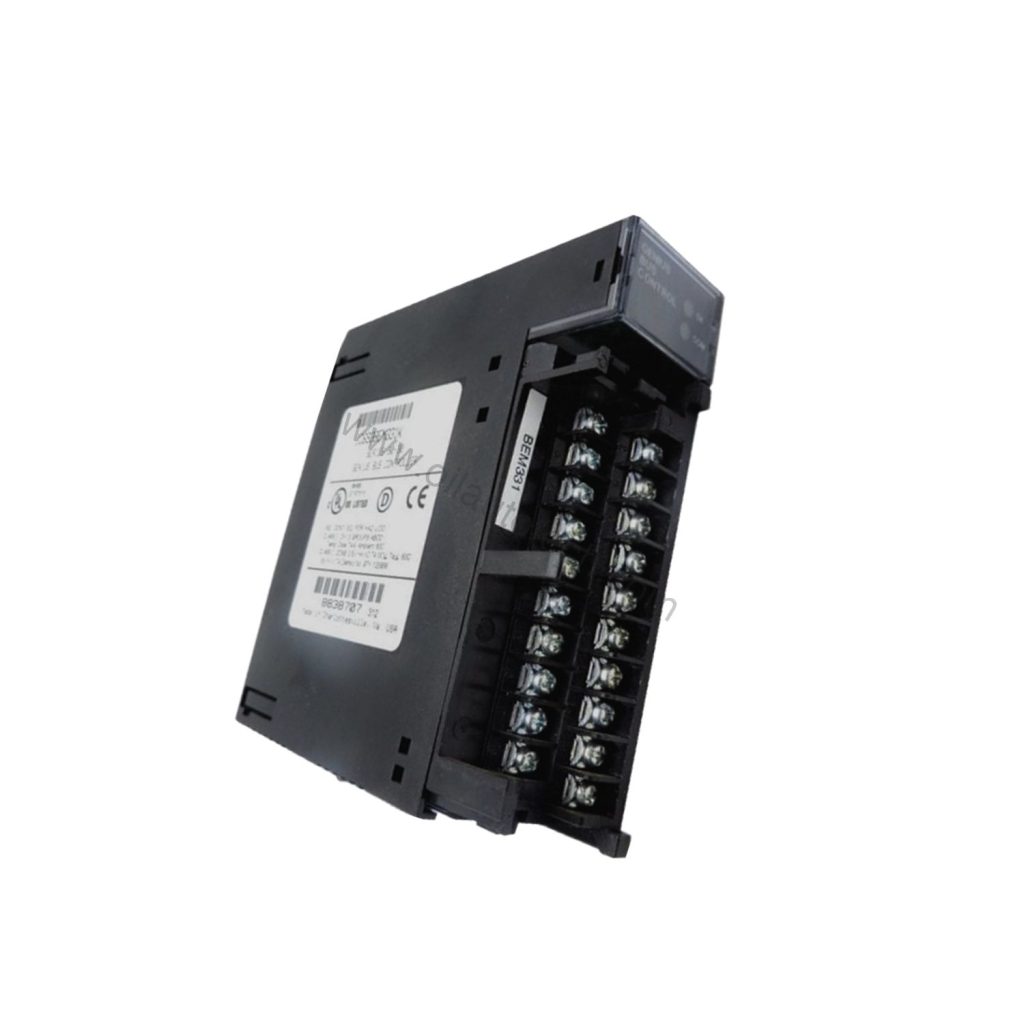
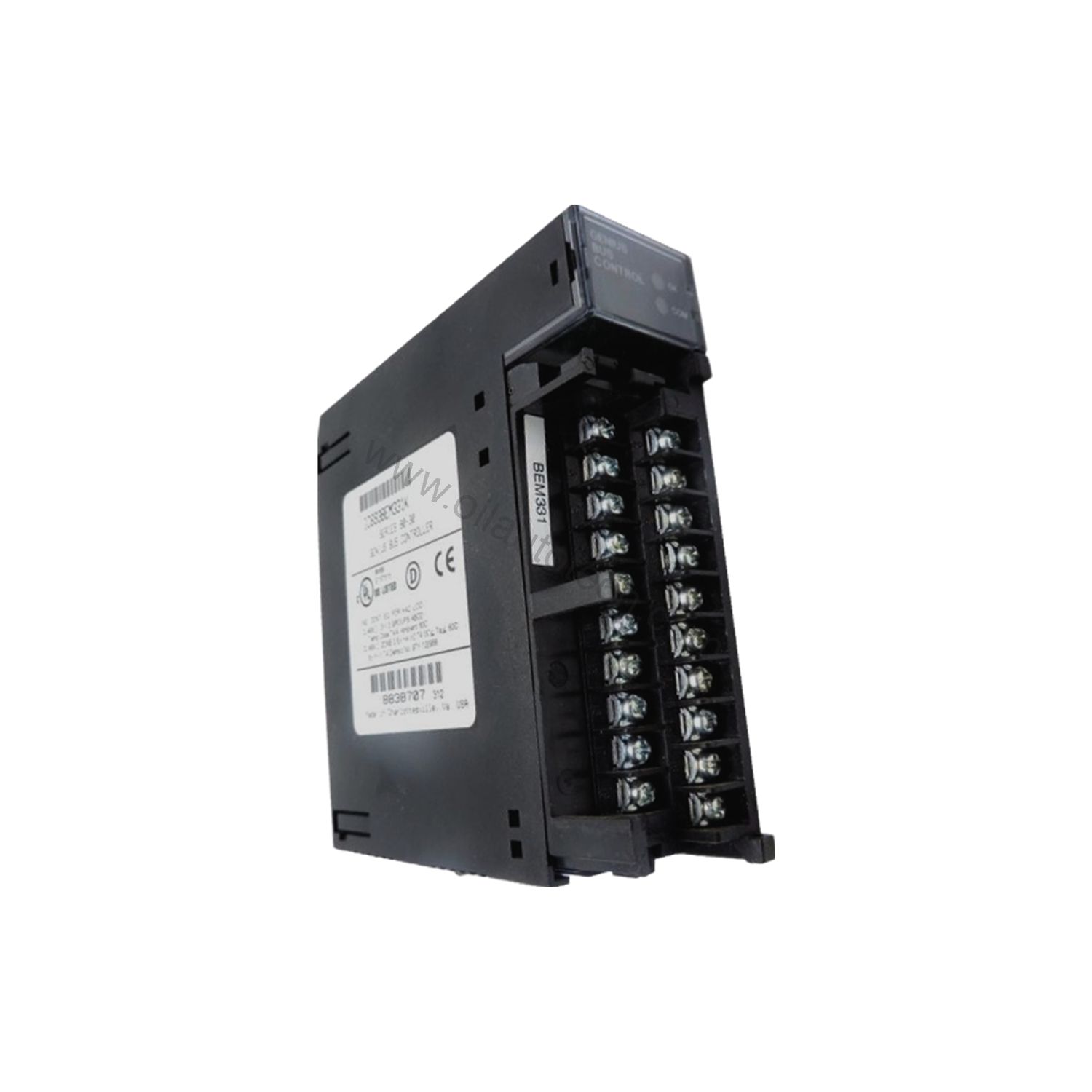
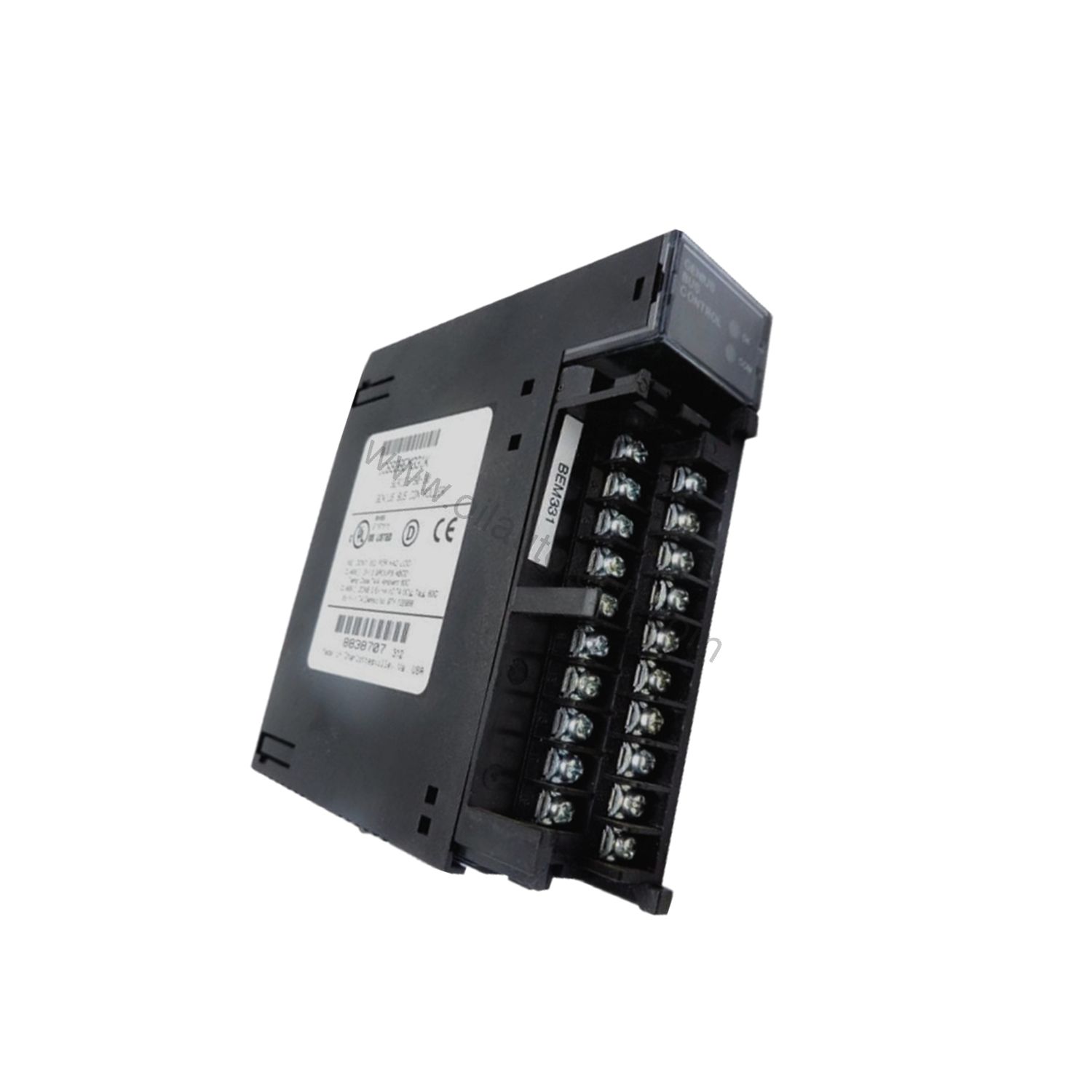
When a Series 90-30 line goes down, every hour of downtime burns budget. The IC693BEM331L is a Genius Bus Controller (GBC) module that keeps that line talking. Built by GE Fanuc and now owned by Emerson, this single-slot module links a Series 90-30 CPU to a Genius Bus network, moving I/O data between controllers and field devices.
This is revision L, and it is discontinued (End of Sale). That status makes sourcing practical rather than sentimental: plants still running Series 90-30 need a working GBC, not a redesign.
Technical Specifications
| Specification | Value |
|---|---|
| Model | IC693BEM331L |
| Brand / Owner | Emerson (current owner) |
| Original Manufacturer | GE Fanuc / GE Intelligent Platforms |
| Series | Series 90-30 |
| Protocol | Genius Bus |
| I/O Data Capacity | 128 bytes per direction per bus scan |
| Maximum Nodes | 32 per Genius segment |
| Baud Rates | 38.4, 76.8, 153.6 Kbaud |
| Slot Width | Single slot |
| Backplane Current Consumption | Not available |
| Lifecycle Status | Discontinued (End of Sale) |
What These Specs Mean for Your Budget
Cost analysis starts with throughput. The IC693BEM331L carries 128 bytes per direction per bus scan. In practice, that means fewer scans are wasted on fragmented data, so the controller spends less time waiting and more time running production. On a busy line, that efficiency compounds across every shift.
Node count drives hardware spend. One Genius segment supports up to 32 nodes. If your application fits inside that limit, you avoid adding a second segment, extra cabling, and another controller interface. That is direct capital avoidance, not a soft benefit.
Baud rate selection is a trade-off between speed and distance. The module supports 38.4, 76.8, and 153.6 Kbaud. Higher rates shorten scan times on short runs; lower rates tolerate longer cable runs. Choosing correctly protects data integrity and prevents costly intermittent faults.
Finally, the single-slot footprint preserves rack space. In a crowded Series 90-30 rack, one slot saved is one slot available for future I/O — a small but real cost saving.
Where It Fits on the Plant Floor
Oil and gas facilities often keep Series 90-30 racks in service long after newer platforms arrive. A GBC like this one handles remote I/O drops, skid interfaces, and legacy panel communications. Because it supports 32 nodes per segment, a single module can serve a distributed group of field devices without extra network hardware.
Water treatment and process plants follow the same pattern. When a pump station or valve bank sits far from the main panel, Genius Bus with the right baud rate keeps the link stable while avoiding a full control system replacement.
Integration Notes
Genius Bus is a legacy network. If you plan to connect this segment to a modern control layer, you may need an external gateway or connection module. Confirm cable types, terminators, and gateway compatibility with your supplier before installation. Hands-on technical selection help is available from Oil AutoTech if the network layout is unclear.
Maintenance and Reliability
Inspect the module and bus connections periodically. Check for loose terminals, heat buildup, and cable damage. Keep the rack clean and ventilated. Because the IC693BEM331L is discontinued, treat every working unit as a long-term asset: document its configuration and keep a spare on the shelf. That is cheaper than an emergency redesign.
Selection Checklist
Before you buy, confirm your CPU model, rack slot availability, node count, and required baud rate. Verify the revision letter matches your existing setup. Since lifecycle status is discontinued, please verify current lifecycle status and availability with Oil AutoTech before ordering.
Contact Oil AutoTech today for pricing and availability.