When Vibration Data Must Survive Extreme Heat
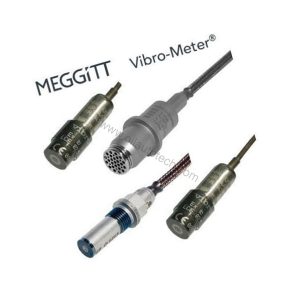
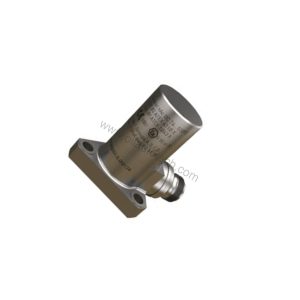
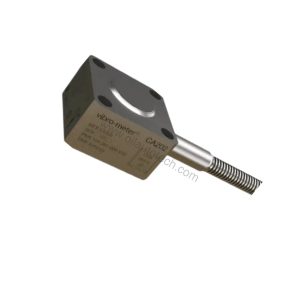
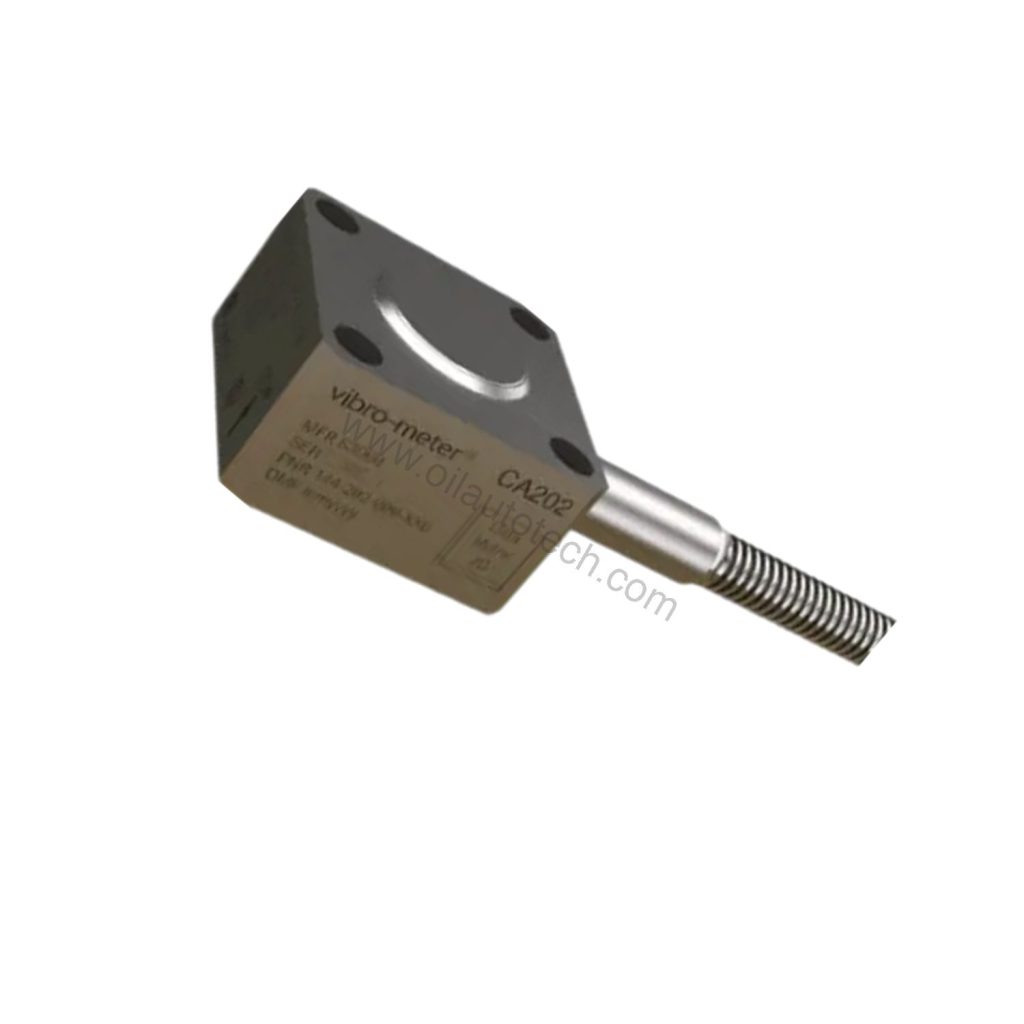
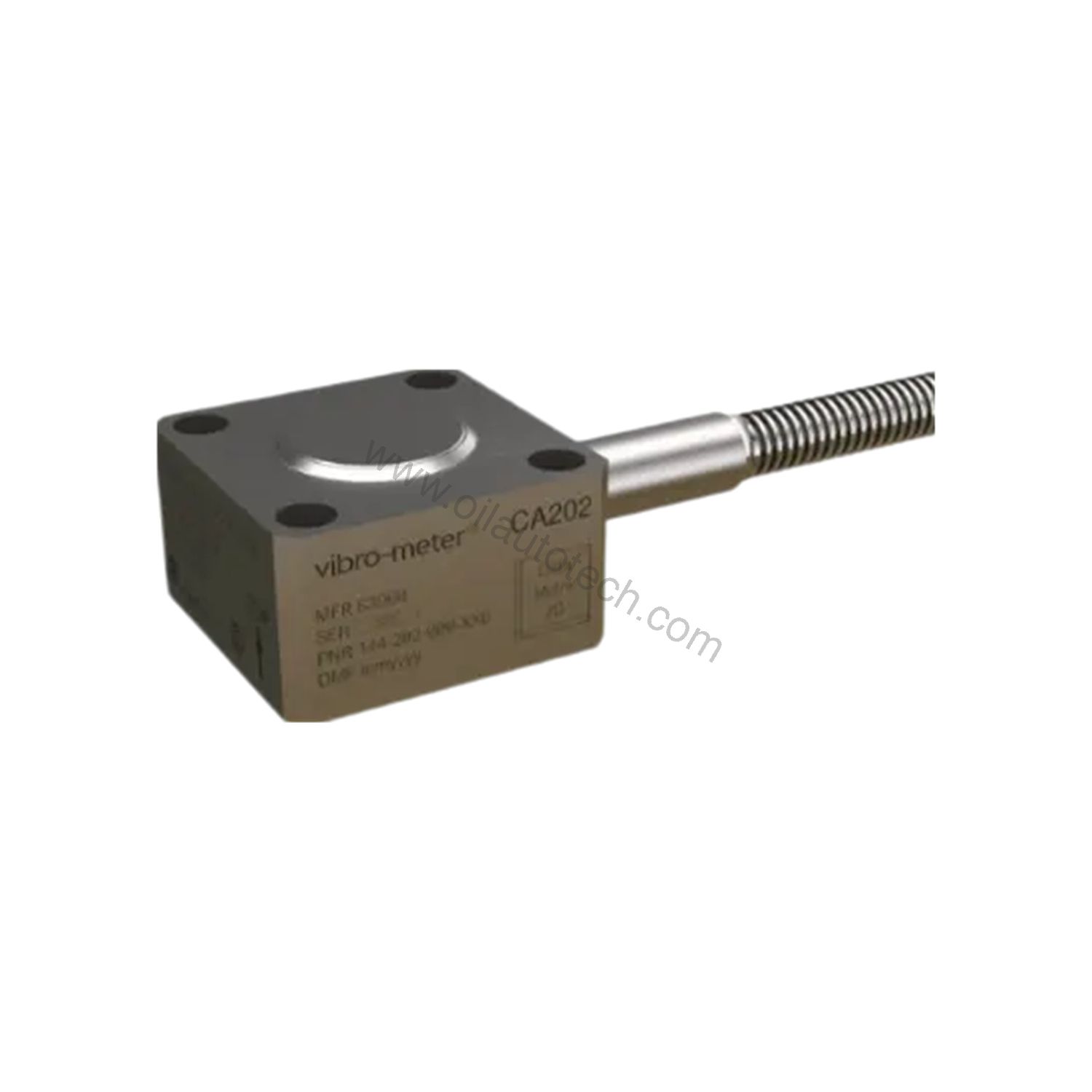
Heavy industry punishes measurement equipment. Steam lines, exhaust ducts, and turbine casings run hot enough to destroy ordinary sensors. The Vibro Meter CA202 piezoelectric accelerometer, part number 144-202-000-236, solves that problem with a hermetically welded austenitic stainless-steel housing rated for continuous operation from −55 to +260°C. This is the standard version with a 20 m integral cable, built for industrial vibration monitoring where failure is not an option.
Key Parameters That Matter on the Plant Floor
Sensitivity and Range
The CA202 delivers 100 pC/g ±5% at 120 Hz with 5 g. That high charge output means a strong signal over long cable runs — practical when sensors mount far from the charge converter. The dynamic measurement range spans 0.01 to 400 g peak, with overload capacity to 500 g peak for spikes. Linearity stays within ±1% from 0.01 to 20 g and ±2% from 20 to 400 g.
Frequency and Thermal Performance
Frequency response covers 0.5 to 6000 Hz at ±5%, with a nominal resonant frequency above 22 kHz. The sensor survives short-term exposure to −70 to +280°C. Temperature sensitivity error is 0.25%/°C below 23°C and 0.1%/°C above it. A symmetrical shear-mode element with internal case insulation and differential output keeps readings stable in harsh conditions.
Sealed Construction
The sensor and its flexible stainless-steel protection hose are hermetically welded into one leaktight assembly. It resists 100% relative humidity, water, steam, oil, sea-salt atmospheres, dust, fungus, and sand. The sensor weighs approximately 250 g; the cable adds 135 g/m.
Where the CA202 Earns Its Keep
Steam turbine monitoring. Continuous casing vibration at 260°C destroys lesser sensors. The CA202’s all-welded stainless body handles the heat and the steam.
Hazardous-area machinery. Ex versions of the CA202 are certified for potentially explosive atmospheres. For standard non-hazardous areas, this version (144-202-000-236) delivers the same measurement integrity without the Ex premium.
Pump and compressor skids in coastal plants. Salt air corrodes aluminum housings. The austenitic stainless-steel case and protection hose shrug off sea-salt exposure.
Integration and Signal Conditioning
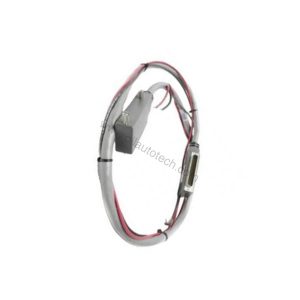
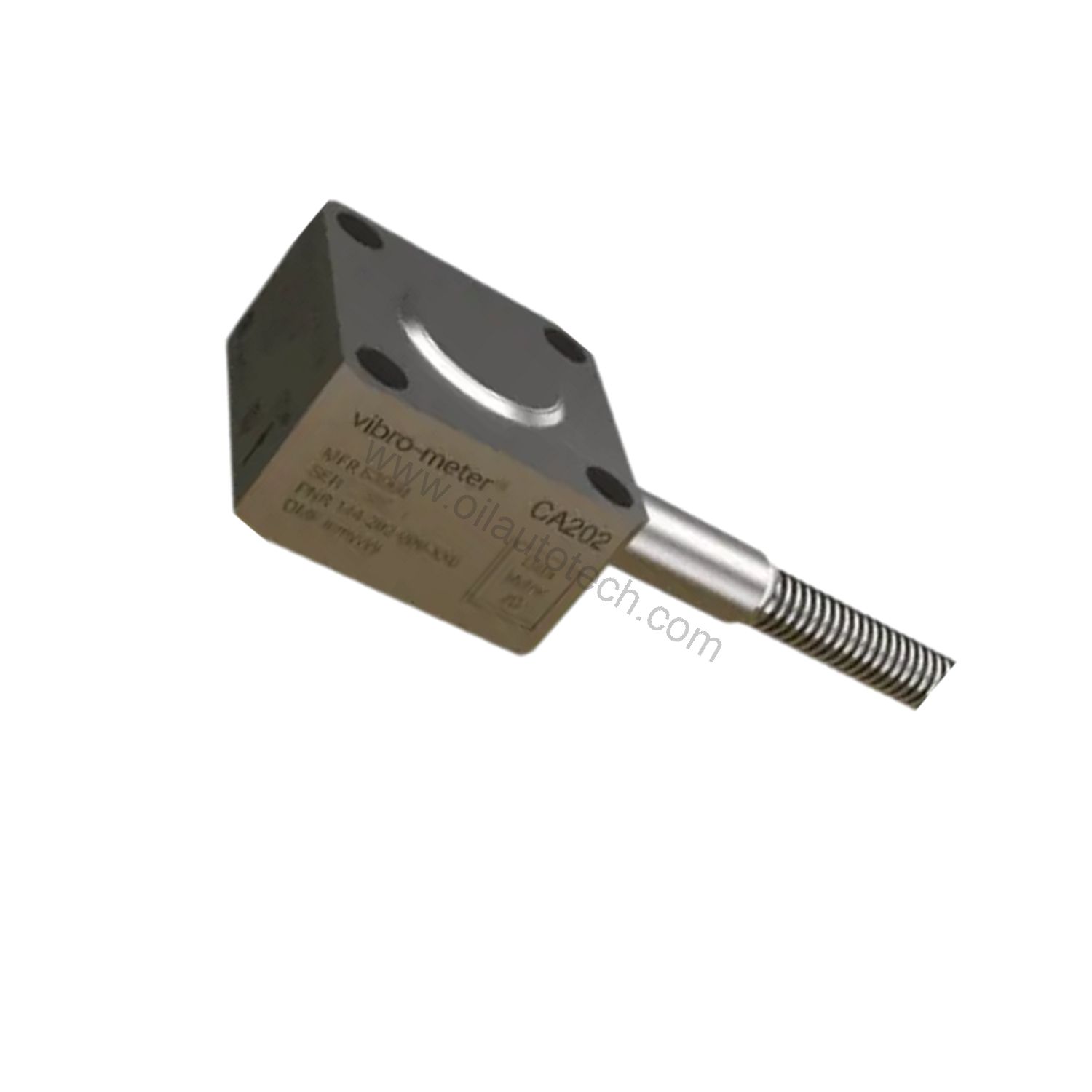
The CA202 uses a 2-pin system insulated from case with charge output. It requires no input power. A charge converter — such as the IPC70x signal conditioner — converts the pC signal for your monitoring system. The 20 m integral cable terminates with flying leads. Internal insulation resistance is 109 Ω minimum; nominal capacitance is 5000 pF pin-to-pin and 10 pF pin-to-case. The lower cutoff frequency depends on the signal conditioner you pair with it, so confirm compatibility before commissioning.
Mounting and Commissioning
Mount the sensor with four M6 × 35 Allen screws and four M4 spring-lock washers at a nominal tightening torque of 15 Nm (11.1 lb-ft). Base-strain sensitivity is 0.15 × 10⁻³ g/µε at 250 µε peak-peak, so mount on a flat, rigid surface to avoid strain-induced errors. The sensor withstands shock acceleration up to 1000 g peak (half sine, 1 ms duration). Route the integral cable away from high-current conductors to protect the low-noise signal.
Practical Selection Advice
Before you order, verify your signal conditioner accepts a charge output and matches the CA202’s capacitance. Confirm the 20 m cable length reaches your junction box. If your area is classified hazardous, ask about Ex versions. Oil AutoTech supplies ready-to-ship spares for oil, gas, and industrial automation applications, with hands-on technical selection help and quick worldwide delivery. Contact Oil AutoTech today for pricing and availability.