Product Overview
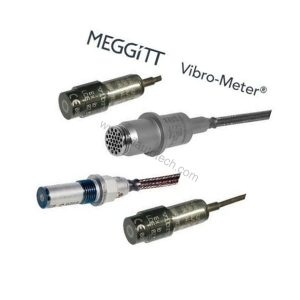
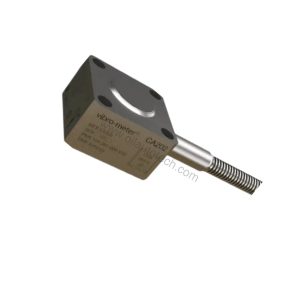
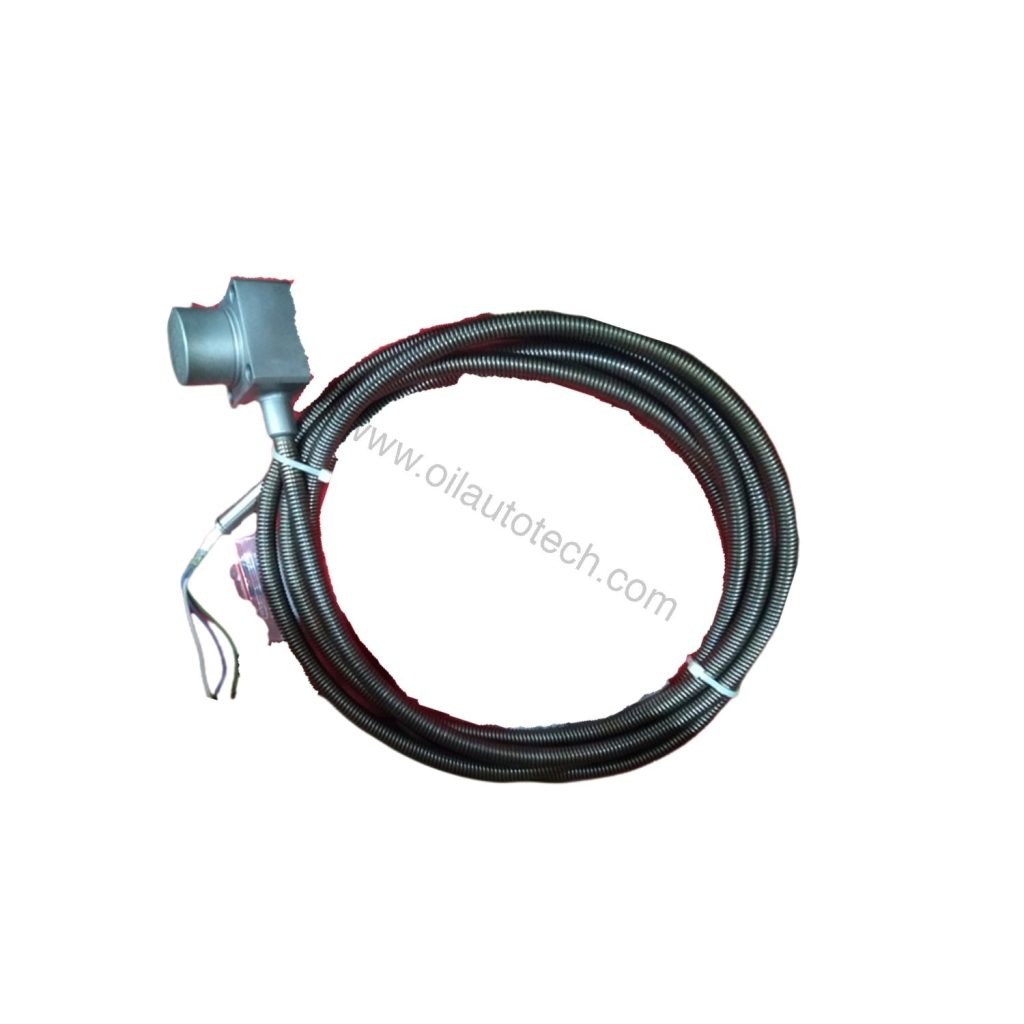
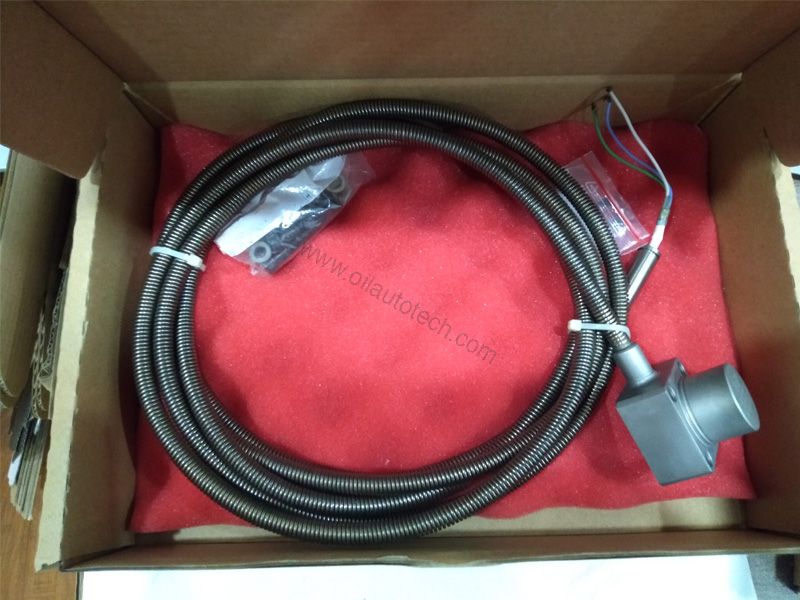
Downtime in oil, gas, and heavy industry often traces back to undetected machine vibration. The Vibro Meter CA 201 piezoelectric accelerometer, part 144-201-000-222, delivers the high-sensitivity, differential-output measurement reliability that keeps condition monitoring systems accurate. With its hermetically welded stainless austenitic steel body and integral cable, this sensor is built for the long haul.
Technical Specifications
The CA 201 converts vibration into a charge signal through piezoelectric sensing. Its 100 pC/g ±5% sensitivity at 120 Hz captures even minute movements, while the dynamic measuring range spans 0.0001 g to 200 g peak. That wide range means one sensor can monitor both low-level bearing faults and high-energy impacts, reducing the number of instruments you need to stock and maintain.
Frequency response holds ±5% between 0.5 Hz and 3000 Hz, with a mounted resonant frequency of 11 kHz nominal. The differential, 2-pole system insulated from the casing resists ground loops and electrical noise, which protects signal integrity in electrically harsh plants. The sensor requires no input power; it works with a charge amplifier, simplifying wiring and cutting installation costs.
Cost-Efficient Reliability
Every specification on the CA 201 contributes to lower total cost of ownership. The CENELEC-approved version (PTB conformance certificate No Ex-80/2183 EEx ib IIC T5) allows safe use in explosive atmospheres without adding expensive purge systems. The hermetically welded stainless steel construction resists corrosion and humidity, extending service life in offshore and chemical environments. With a shock rating of ≤500 g peak (half sine 1 ms), the sensor survives the rough handling and process upsets that destroy lesser devices.
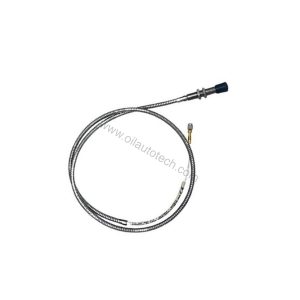
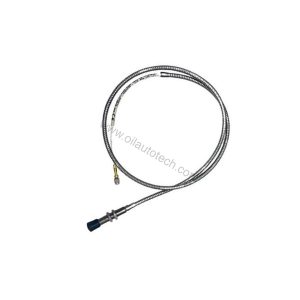
Because factory dynamic calibration at 5 g peak and 120 Hz is performed once and requires no subsequent calibration, you save on recurring calibration labor and production interruptions. The integral cable eliminates connector failures, a common hidden cost in vibration monitoring.
Applications and Integration
Oil and gas operators use the CA 201 on compressors, pumps, and turbines where continuous vibration monitoring prevents catastrophic failure. In power generation, the wide temperature range—Zone A: -54°C to +260°C; Zone B: -54°C to +125°C—covers steam turbine casings and exhaust areas. The Ex i version suits Zone 0/1 hazardous areas.
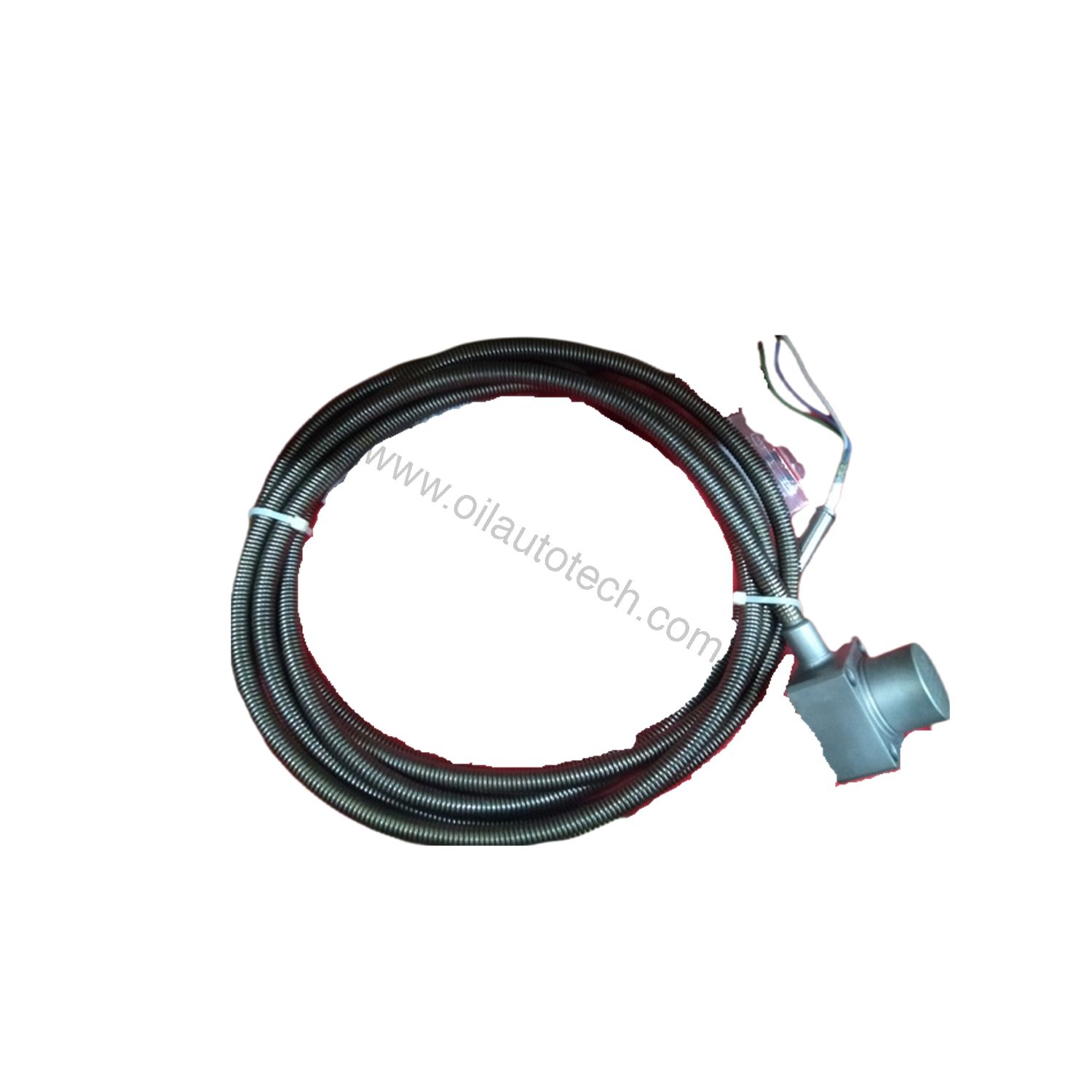
Integration with existing monitoring systems is straightforward: the charge output connects to any compatible charge amplifier, and the 2-pole twisted shielded cable minimizes noise pickup. For fieldbus networks, wiring may require an external gateway or connection module; confirm cables and gateways with your supplier.
Selection and Maintenance
Before ordering, verify your required cable length (3 m or 6 m), temperature zone, and hazardous-area certification. The CA 201 mounts with four M6x35 Allen screws and spring lock washers at 15 Nm torque; no electrical insulation of the mounting surface is needed. Periodic inspection of the cable and mounting torque is recommended. For fast dispatch, worldwide, contact Oil AutoTech for pricing and availability.