Product Overview
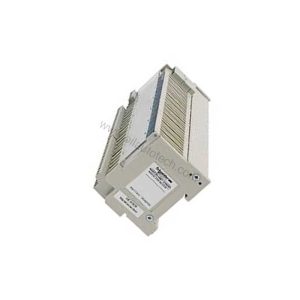
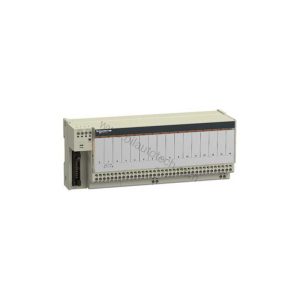
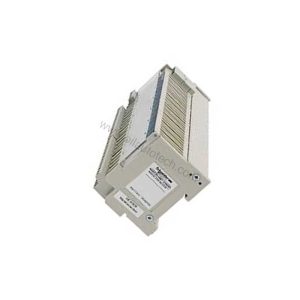
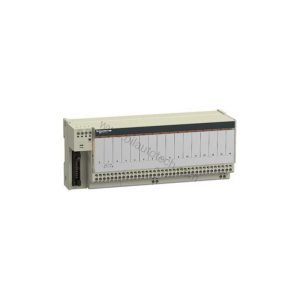
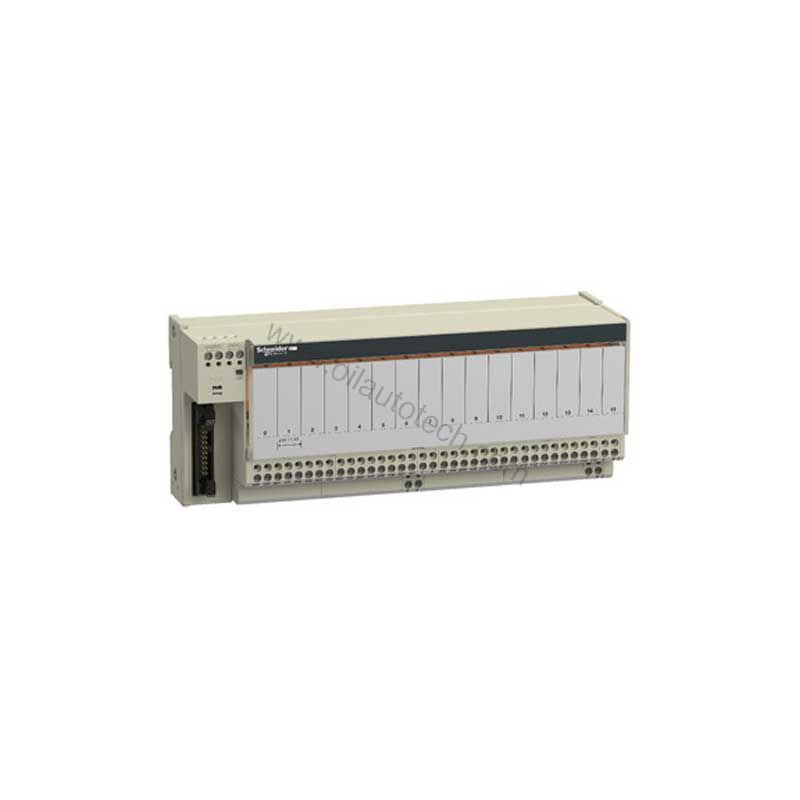
Downtime on a control panel rarely announces itself. A single failed output module can stall a production line, and every hour of waiting for a replacement eats into margin. The Schneider Electric ABE7R16T210 answers that problem directly: a 16-channel sub-base with plug-in electromechanical relays from the Telefast ABE7 range, built to keep high-density I/O panels running without a full architecture change.
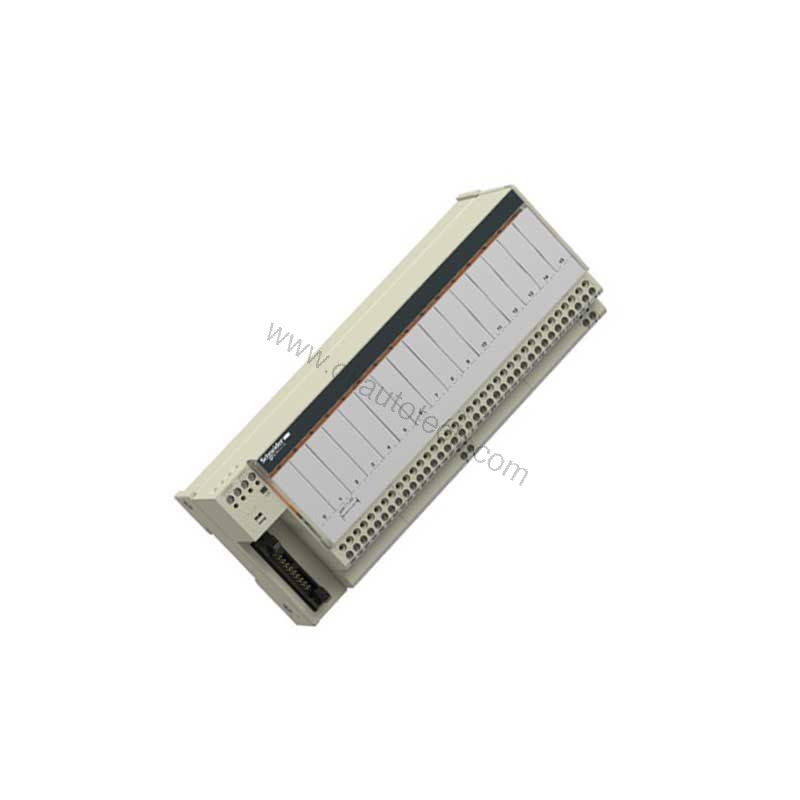
This unit carries 16 channels, each with a 1 CO (SPDT) contact and a 24V DC coil. That combination suits panels where a compact relay interface must switch multiple field devices from a low-voltage control signal. Because the relays plug in, a failed channel is a swap rather than a panel rebuild — a practical cost advantage when spares must be ready-to-ship.
Technical Specifications
The channel count drives the first cost calculation. Sixteen channels in a single sub-base reduce the number of separate relay modules, terminal blocks and interconnecting wires a panel needs. Fewer components mean less assembly labour, less cabinet space and fewer points of failure to track.
Contact rating sits at 5 A / 250V AC per channel. That headroom lets the ABE7R16T210 handle common industrial loads without an intermediate relay stage, which removes both hardware cost and an extra wiring step.
The 24V DC coil matches the control voltage used across much of today’s automation hardware, so the sub-base drops into existing DC control circuits without a separate coil supply. Each channel also carries a 1 A internal fuse and LED status indication. The fuse limits damage from a fault to one channel instead of the whole assembly, and the LED shortens troubleshooting time — a direct labour saving during maintenance windows.
Mechanically, the unit mounts on 35 mm DIN rail or by screw fixing, with dimensions of 88 × 200 × 71 mm and a weight of 0.735 kg. Wire cross-sections run from 0.14-2.5 mm² solid and 0.09-1.5 mm² flexible.
| Specification | Value |
|---|---|
| Number of channels | 16 |
| Contact type | 1 CO (SPDT) per channel |
| Contact rating | 5 A / 250V AC |
| Coil voltage | 24V DC |
| Protection | 1 A internal fuse per channel, LED status indication |
| Operating temperature | -5 to 60 °C |
| Protection rating | IP2X |
| Mounting | 35 mm DIN rail / screw mounting |
| Dimensions (H×W×D) | 88 × 200 × 71 mm |
| Weight | 0.735 kg |
| Mechanical life (plug-in relay) | 10,000,000 cycles |
| Electrical life (plug-in relay) | 100,000 cycles (AC-15) |
| Wire cross-section | 0.14-2.5 mm² solid, 0.09-1.5 mm² flexible |
Cost and Efficiency in Real Installations
Consider a gas compressor station running a mixed I/O panel. The engineering team needs a dense relay interface that tolerates a -5 to 60 °C operating range and keeps field wiring simple. The ABE7R16T210 fits that brief: 16 channels in one 88 × 200 × 71 mm footprint, wired with standard cross-sections up to 2.5 mm² solid. Fewer modules translate into a smaller cabinet, shorter commissioning time and lower enclosure cost.
In a water treatment plant, the same logic applies to lifecycle cost. The plug-in relay design supports 10,000,000 mechanical cycles and 100,000 electrical cycles at AC-15. When a relay eventually reaches end of life, maintenance swaps the plug-in relay instead of replacing the sub-base. That keeps consumable cost low and avoids re-terminating the field wiring.
For OEM panel builders, the 24V DC coil simplifies the bill of materials. One control voltage serves the whole relay bank, so there is no need for a second supply or level-shifting hardware. The LED per channel also shortens factory acceptance testing, because technicians can confirm output state at a glance rather than probing each terminal.
Installation and Setup
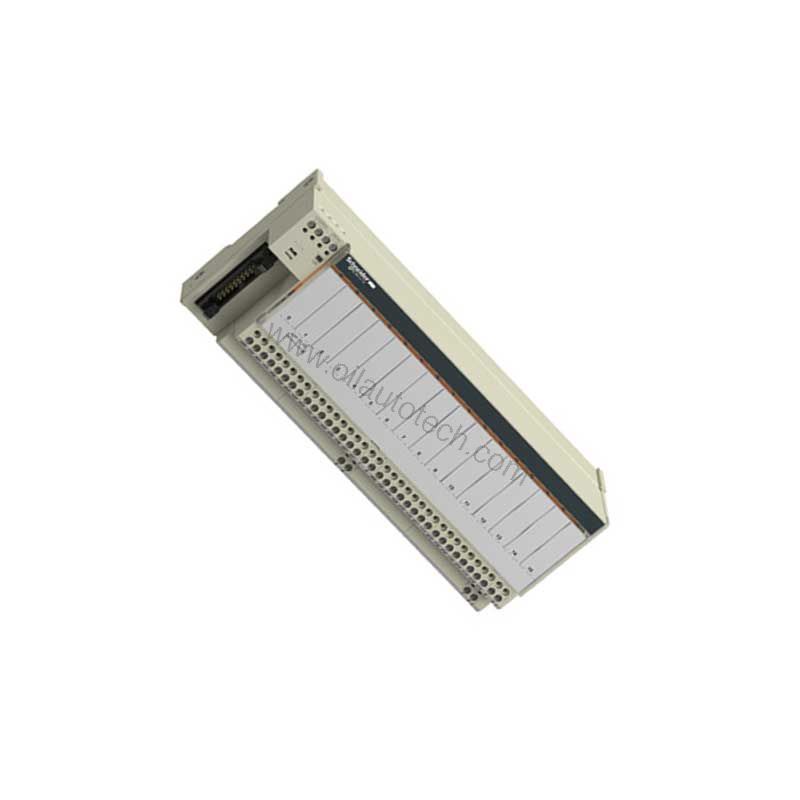
Mount the sub-base on 35 mm DIN rail where the panel layout allows, or use screw mounting for high-vibration locations. Leave enough clearance for the plug-in relays to be removed without disturbing adjacent wiring.
Route field wiring according to the cross-section limits: 0.14-2.5 mm² for solid conductors and 0.09-1.5 mm² for flexible conductors. Keep power and signal wiring separated where practical, and confirm the coil supply is a stable 24V DC before energising the bank. The IP2X rating protects against finger contact, so the unit belongs inside a suitable enclosure rather than in an exposed location.
Maintenance and Reliability
Because the relays plug in, planned maintenance is straightforward. Inspect the LED indicators during routine rounds; a dark LED on an energised channel points to a fuse or relay issue. Replace the affected plug-in relay rather than the whole sub-base, and keep a small stock of relays on hand to cut response time.
Watch the ambient temperature. The -5 to 60 °C range covers most plant rooms, but crowded enclosures can push local temperatures higher. Good airflow protects relay life and keeps the electrical cycle count predictable. For oil, gas and heavy industrial sites, holding a spare ABE7R16T210 on the shelf is often cheaper than expediting one during a shutdown.
Compatibility and Integration
The ABE7R16T210 works as a relay interface between control signals and field loads. Its 24V DC coil and 5 A / 250V AC contacts suit panels built around standard industrial control voltages. Confirm the coil supply, load current and conductor sizes against your panel drawings before ordering, and check that the DIN rail or screw fixing matches your enclosure design.
Selection Checklist
Before buying, verify the channel count you need, the coil voltage available in your panel, and the load current per output. Check that your wire sizes fall within the supported range and that the mounting method suits the enclosure. Oil AutoTech supplies the ABE7R16T210 with practical selection support for oil, gas and industrial automation projects. Contact Oil AutoTech today for pricing and availability.