When a Control Cabinet Retrofit Stalls on Wiring Density
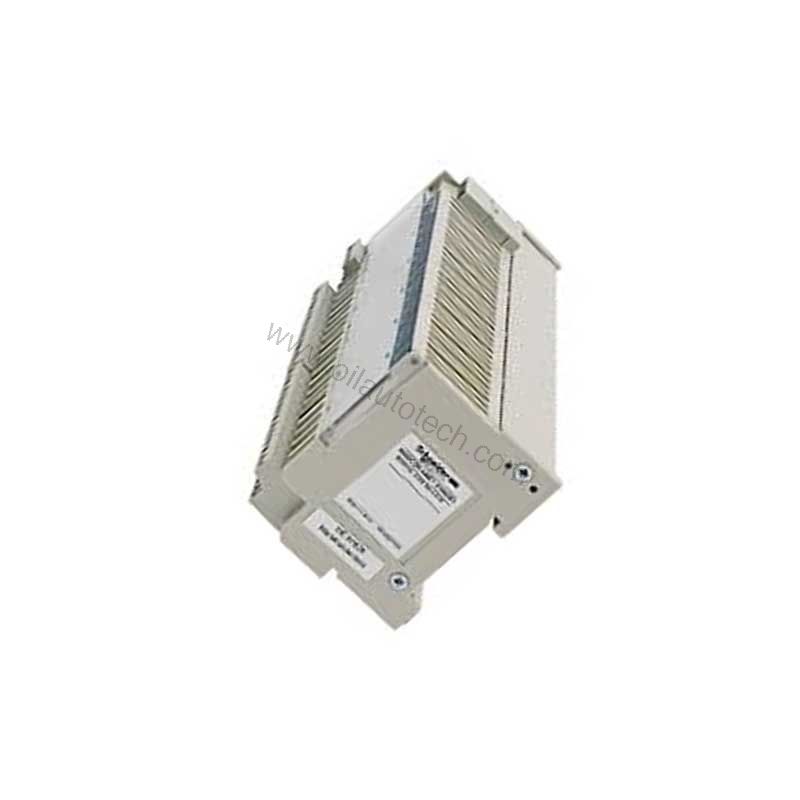
An integrator upgrading a legacy oil and gas skid faced a familiar problem: the PLC rack was ready, but point-to-point field wiring was consuming days of panel time. Every channel needed its own landing point, and the existing terminal blocks offered no clean path to the controller. The fix was a passive connection sub-base that consolidates field wiring into a single interface. That is exactly the role of the Schneider ABE7H16R11.
What the ABE7H16R11 Actually Does
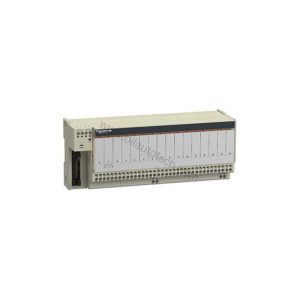
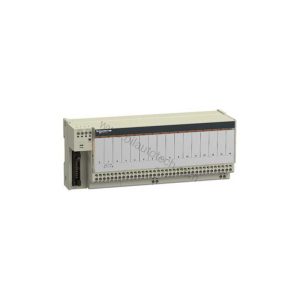
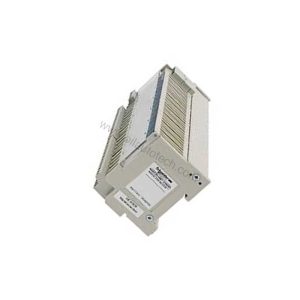
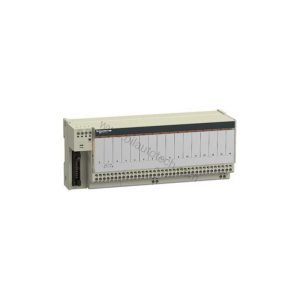
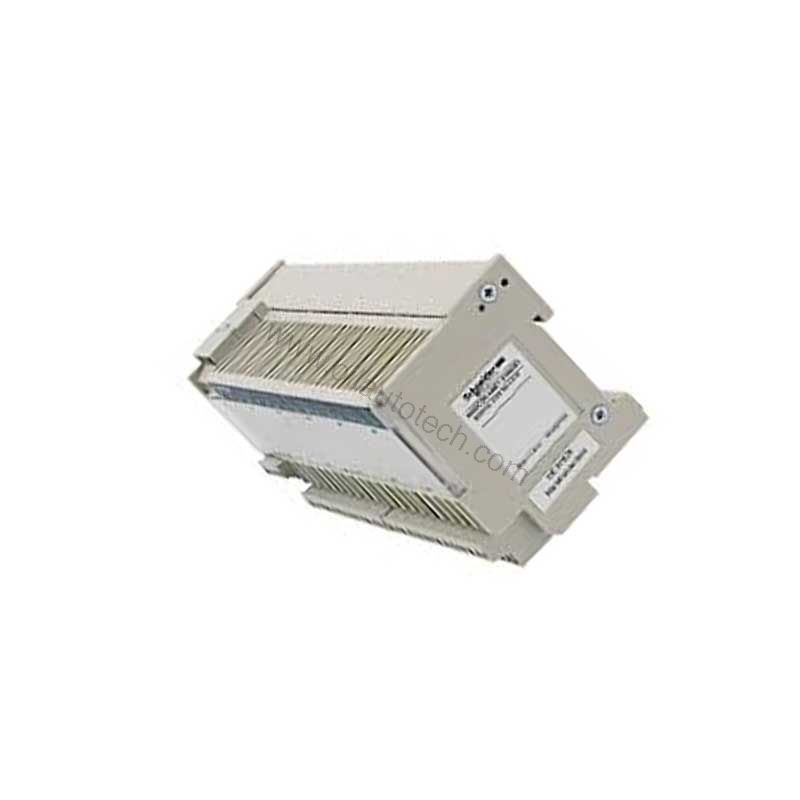
This Telefast ABE7 series unit is a passive discrete I/O connection sub-base with 16 channels and one terminal per channel. It carries discrete input and output signals with no polarity distribution, so it works as a straightforward marshalling layer between field devices and the control system. The HE-10 20-pin connector provides the interface to the associated controller cabling, while screw terminals accept field wires directly.
Because the module is passive, it adds no active processing to the signal path. That keeps the design simple and predictable for panel builders who want a clean, repeatable wiring scheme rather than another intelligent node to configure.
Key Parameters That Shape the Design
Supply and Current Ratings
The unit operates on a rated supply voltage of 19-30V DC per IEC 61131-2. Maximum supply current is 1.8 A, and each channel carries up to 0.5 A. These figures matter when you total the load of connected field devices and confirm the supply can support the full channel count.
Protection and Diagnostics
A 2 A internal fuse protects the sub-base, and an LED per channel gives at-a-glance status during commissioning and fault finding. That combination shortens troubleshooting time on a live panel.
Physical and Environmental Fit
The housing measures 77 × 206 × 58 mm and weighs 0.64 kg. It mounts on 35 mm DIN rail clips or by screw, which suits both new panel builds and retrofit work. The operating temperature range of -5 to 60 °C covers typical enclosed cabinet conditions, and the IP2X protection rating reflects its intended use inside a protected enclosure.
Wiring Capacity
Field terminations accept 0.14-2.5 mm² solid or 0.09-1.5 mm² flexible wire. That range accommodates most common panel wiring gauges without adapters.

Where This Sub-Base Earns Its Place
Oil and Gas Skid Retrofits
When a legacy skid is upgraded to a modern controller, the existing field wiring rarely matches the new I/O layout. A passive sub-base lets the team re-terminate field cables at a single point and run one connector back to the rack. This is the fastest route to a working panel, and it is the kind of job where ready-to-ship spares matter.
Water Treatment and Pump Control
Discrete inputs from level switches and discrete outputs to pump contactors fit naturally into a 16-channel scheme. The per-channel LEDs make it easy to confirm each signal during commissioning.
Packaging and Material Handling
Sensor and actuator banks in conveyor systems often land in dense terminal groups. Consolidating them onto one sub-base reduces wire count and keeps the cabinet organized.
Installation Notes for Panel Builders
Mount the unit on 35 mm DIN rail or secure it with screws where rail space is limited. Keep the HE-10 connector side accessible for the interface cable, and route field wiring to the screw terminals with enough slack for service. Confirm the supply voltage falls within the 19-30V DC range before energizing. Total the per-channel loads against the 1.8 A maximum supply current and the 0.5 A per-channel limit. Follow the manufacturer’s installation documentation for all connection details.
Keeping It Reliable Over Time
Inspect terminal screws periodically for loosening caused by thermal cycling. Check the channel LEDs during routine maintenance to catch failed field devices early. Keep the enclosure within the stated -5 to 60 °C operating range, and avoid dust buildup that could compromise the IP2X rating. Because the module is passive, there are no firmware updates or configuration steps to manage, which keeps long-term ownership simple.
Integration and Compatibility
The HE-10 20-pin connector is the interface point to the associated controller cabling. This is a passive sub-base, so it does not communicate over a fieldbus itself. When integrating into a networked architecture, the connection to the controller is handled by the associated interface components. Confirm the correct interface cable and any required connection module with your supplier before ordering.
What to Verify Before You Buy
Check the channel count against your I/O list, confirm the supply voltage and current budget, and verify the wire gauge range matches your field cables. Confirm the HE-10 connector type matches your existing cabling. The ABE7H16R11 is listed as active in production within the Telefast ABE7 range, last verified in September 2026. For pricing, availability, and hands-on technical selection help, contact Oil AutoTech today.
Frequently Asked Questions
Is the ABE7H16R11 an active or passive module?
It is a passive discrete I/O connection sub-base. It does not process signals or run firmware.
How many channels does it support?
It provides 16 channels with one terminal per channel.
What connector does it use?
It uses an HE-10 20-pin connector for the interface to the associated controller cabling.
What is the supply voltage range?
The rated supply voltage is 19-30V DC per IEC 61131-2.
How is it mounted?
It mounts on 35 mm DIN rail clips or by screw.