When Heat Threatens Your Vibration Data, What Do You Trust?
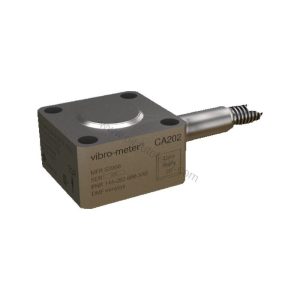
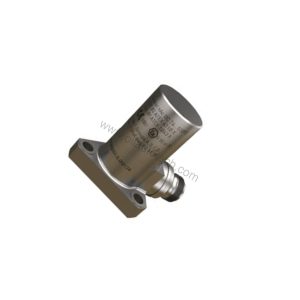
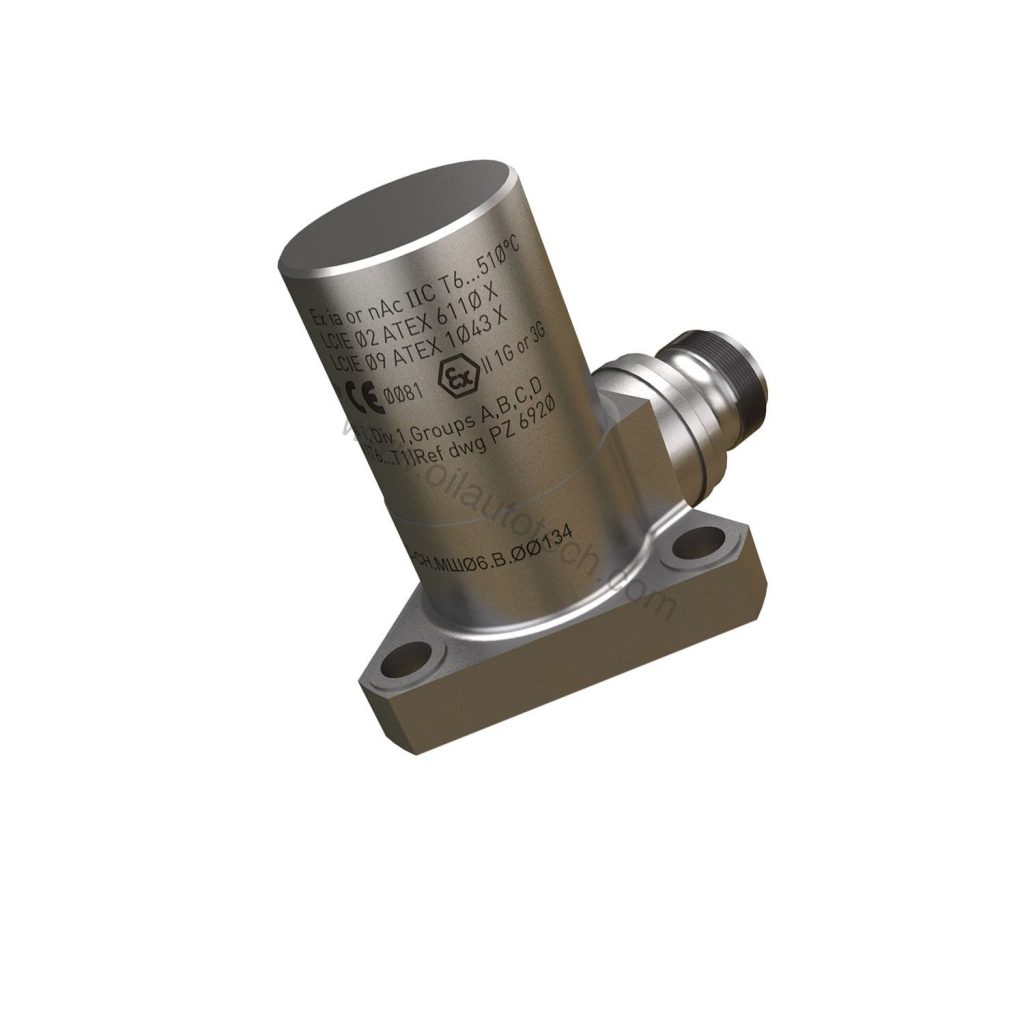
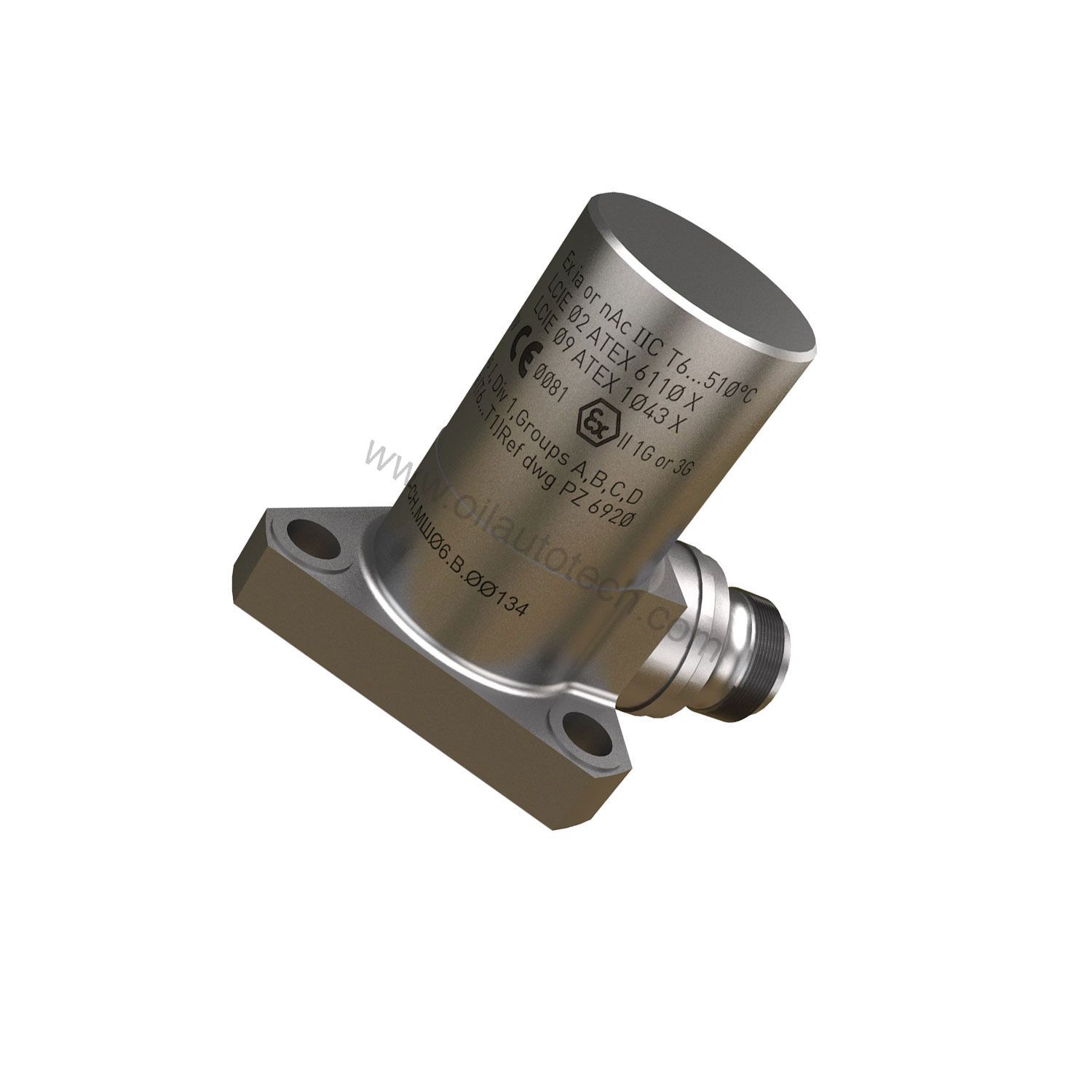
Gas turbine casings, cryogenic pump skids, and hazardous process areas punish ordinary accelerometers. The Vibro Meter CA134 piezoelectric accelerometer (part 144-134-000-612) answers that challenge with a compression-mode measuring element inside a hermetically welded high-temperature nickel alloy case.
This sensor belongs to the vibro-meter product line. It delivers a charge output of 10 pC/g ±5% and covers 0.5 to 6000 Hz, so you capture both low-frequency machine motion and high-frequency bearing signatures. With no input power requirement, the CA134 keeps working where powered sensors cannot survive.
Key Parameters That Matter on Site
| Parameter | Value |
|---|---|
| Sensitivity | 10 pC/g ±5% |
| Frequency response | 0.5 to 6000 Hz |
| Dynamic range | 0.001 to 500 g peak |
| Continuous temperature | −54 to 500°C |
| Cryogenic version minimum | −253°C (20 K) |
| Linearity | ±1% |
| Resonant frequency | >14 kHz nominal |
| Weight (sensor head) | 120 g approx. |
Three specifications drive real value. First, the 500°C continuous rating suits gas turbine and exhaust-side monitoring without extra cooling. Second, the ±1% linearity across the full dynamic range keeps trend data trustworthy for long-term diagnostics. Third, internal case insulation with differential output reduces ground-loop noise in electrically noisy plants.
Where the CA134 Earns Its Keep
Gas turbine monitoring. Mounted on turbine casings, the CA134 tracks vibration while temperatures climb toward 500°C. Its hermetically welded nickel alloy housing resists corrosion and humidity in harsh industrial environments.
Cryogenic applications. The cryogenic version operates down to −253°C (20 K), making it practical for LNG and cold-box machinery where standard sensors fail.
Hazardous areas. Every version is Ex certified for potentially explosive atmospheres, so you can install it in classified zones without additional barriers for the sensor itself.
Installation and Signal Chain
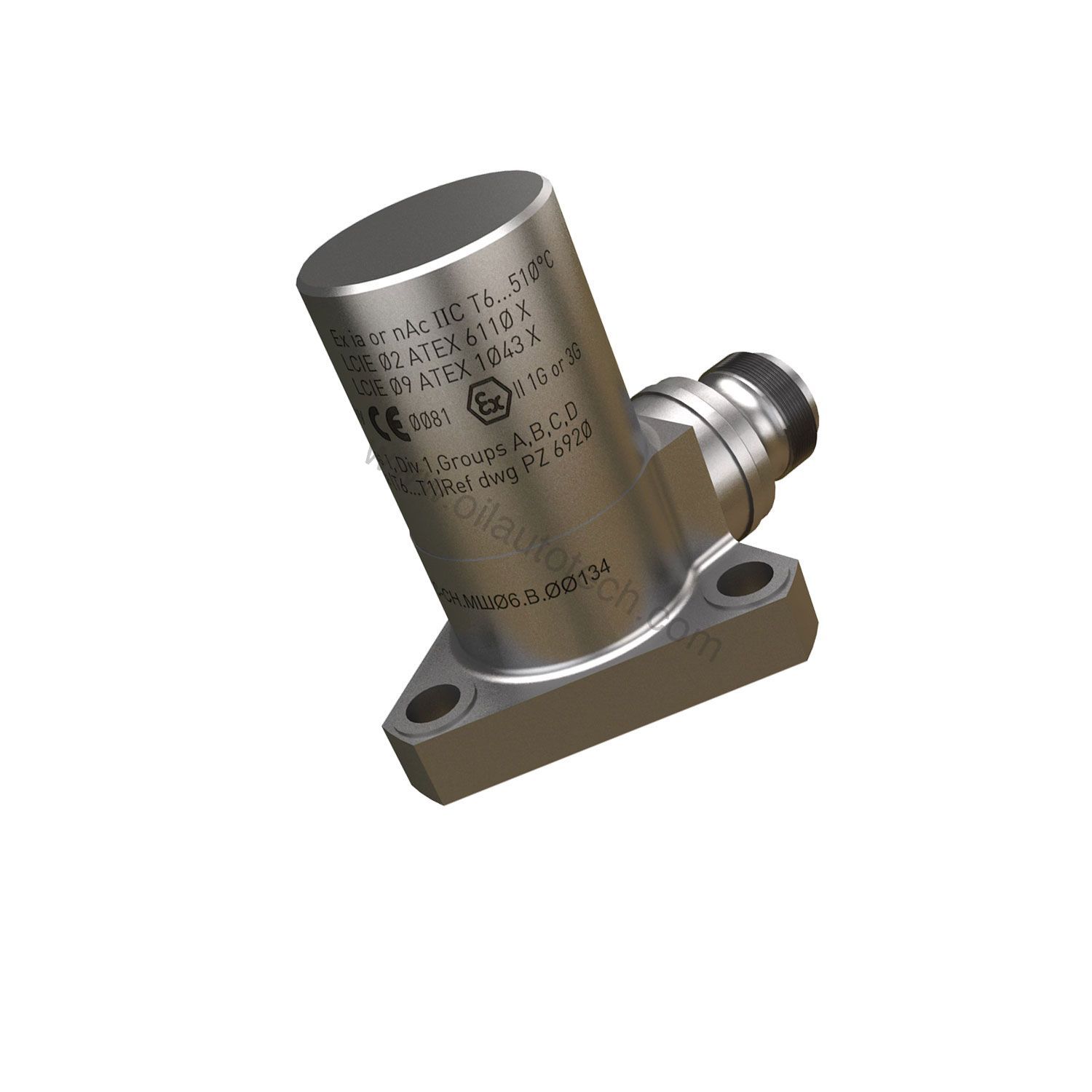
The CA134 mounts with three M4 × 16 Allen screws and three M4 spring-lock washers at a nominal tightening torque of 4 Nm. The symmetrical sensor body with internal case insulation supports differential output, which helps reject common-mode noise. Signal processing requires a charge converter such as the IPC70x signal conditioner, and the lower cutoff frequency depends on that conditioner.
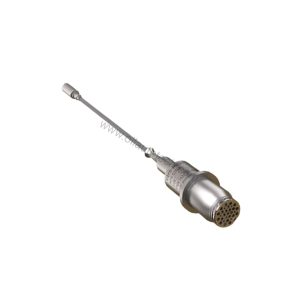
Choose the sensor-only version when cable routing changes with each job; it uses a 2-pin high-temperature connector (vibro-meter 7/16″-27UNS-2A / CG505). Choose the integral mineral-insulated cable version for a sealed, leaktight assembly with a double-braided MI cable and a vibro-meter high-temperature connector.
Reliability and Long-Term Value
With no input power and a hermetically welded case, the CA134 removes common failure points. Internal insulation resistance stays at 10^8 Ω minimum at 23°C and 10^5 Ω minimum at 500°C, supporting stable charge output over years of service. For maintenance, inspect mounting torque and cable condition periodically, and follow the manufacturer’s safety manual in hazardous areas. When you need spares when you need them, Oil AutoTech offers fast dispatch, worldwide.
Selecting the Right Configuration
Before ordering, confirm your temperature range, whether you need the cryogenic version, and whether an integral cable suits your installation. Verify connector mating with your existing cable assemblies. Please verify current lifecycle status and availability with Oil AutoTech before ordering. Contact Oil AutoTech today for pricing and availability.
Frequently Asked Questions
Q: What signal conditioner does the CA134 need?
A: A charge converter such as the IPC70x signal conditioner. The lower cutoff frequency is determined by the signal conditioner you select.
Q: Can the CA134 operate in explosive atmospheres?
A: Yes. All versions are Ex certified for installation in potentially explosive atmospheres.
Q: What is the difference between the sensor-only and integral cable versions?
A: The sensor-only version uses a 2-pin connector and allows different cable assemblies. The integral cable version has a hermetically welded MI cable with a double braid and a vibro-meter high-temperature connector.
Q: How is the CA134 mounted?
A: With three M4 × 16 Allen screws and three M4 spring-lock washers at a nominal tightening torque of 4 Nm.
Q: Does the CA134 require external power?
A: No. Input power requirements are none; it provides a charge output.