Product Overview
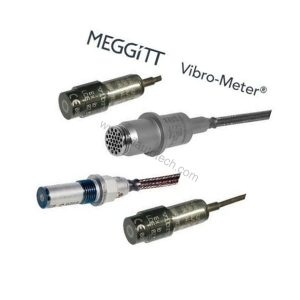
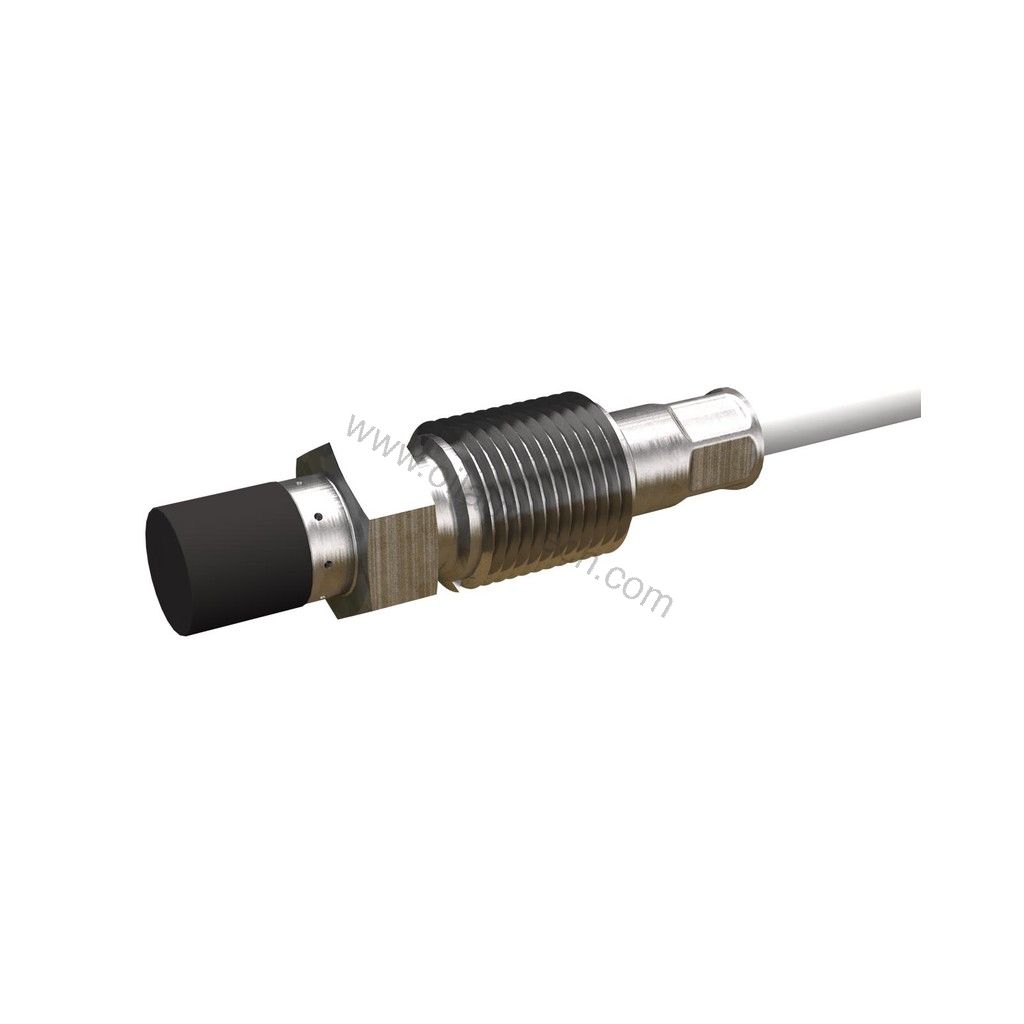
When a turbine or compressor goes down, every hour of downtime cuts into your bottom line. The Vibro Meter 111-912-000-013-A1-B1-E1000-F0-G0-H05 proximity measuring system keeps your rotating machinery under constant watch. Built by Meggitt (Vibro-Meter), this system pairs the TQ912 proximity sensor with a 5 m total system length, delivering reliable non-contact measurement based on the eddy-current principle.
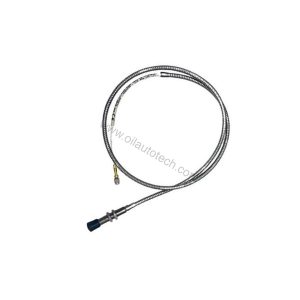
This unit ships with a standard environment rating, an M10 × 1 body thread, a 1000 mm ±100 mm integral cable, and no optional protection or flexible hose. It weighs just 0.22 kg, so handling and installation stay simple.
Technical Specifications
| Parameter | Value |
|---|---|
| Sensor | TQ912 proximity sensor (111-912-000-011) |
| Body thread | M10 × 1 |
| Integral cable length | 1000 mm ±100 mm |
| Total system length | 5 m |
| Weight | 0.22 kg |
| Frequency response | DC to 20 kHz (−3 dB) |
| Linear measurement range | 2 or 4 mm |
| Sensor temperature range | −40 to 180°C |
| Protection rating | IP68 (sensor head) |
| Vibration | 5 g peak, 10 to 500 Hz |
| Shock | 15 g peak, 11 ms half sine-wave |
| Measurement drift | <5% for −30 to 150°C |
Why This System Fits Your Plant
The 111-912-000-013-A1-B1-E1000-F0-G0-H05 conforms to API 670 5th edition, the benchmark for machinery protection. Its temperature-compensated design holds measurement drift below 5% across −30 to 150°C, so readings stay trustworthy in hot compressor rooms. The sensor head carries an IP68 rating, and the stainless-steel body (AISI 316L) with a PPS thermoplastic tip resists harsh conditions.
Compare this to generic proximity probes that lack API 670 alignment or drift compensation. Those units often force frequent recalibration, adding labor and risk. Here, you get a system engineered for functional safety contexts — SIL 2 per IEC 61508 and Cat 1 PL c per ISO 13849.
Applications Across Oil, Gas and Industry
In oil and gas, this system monitors shaft vibration and axial position on centrifugal compressors. The 5 m chain length suits large skids where the signal conditioner sits far from the probe. In power generation, it tracks turbine rotor movement, and the DC to 20 kHz frequency response captures both slow drift and high-speed events. For industrial automation, the M10 × 1 thread mounts cleanly on standard brackets.
Integration and Setup
The TQ912 sensor requires a high-frequency power source from an IQS900 signal conditioner. The IQS900 offers removable screw-terminal connectors and DIN-rail mounting, which simplifies panel wiring. Self-locking miniature coaxial connectors hand-tighten until locked, keeping connections secure under vibration.
If you plan to route this signal into a fieldbus network, confirm gateway and cable requirements with your supplier first. Calibration is performed at +23°C ±5°C against VCL 140 steel targets.
Maintenance and Reliability
Inspect the sensor tip and cable periodically for mechanical damage. The FEP-covered 70 Ω coaxial cable resists moisture and chemicals, but physical abrasion remains the main wear point. Keep the probe within its −40 to 180°C operating range; short-term survival to 220°C is limited to 2 hours maximum.
For spares when you need them, Oil AutoTech offers fast dispatch, worldwide. Contact Oil AutoTech today for pricing and availability.
Selection Checklist
Before ordering, verify your measurement chain length (1, 5 or 10 m), thread type, and whether your area requires an Ex-certified version. This standard-environment model suits non-hazardous locations. Please verify current lifecycle status and availability with Oil AutoTech before ordering.