Product Overview
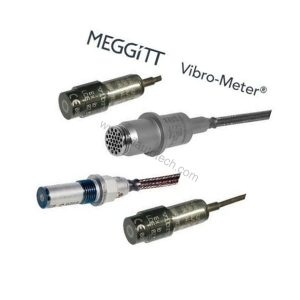
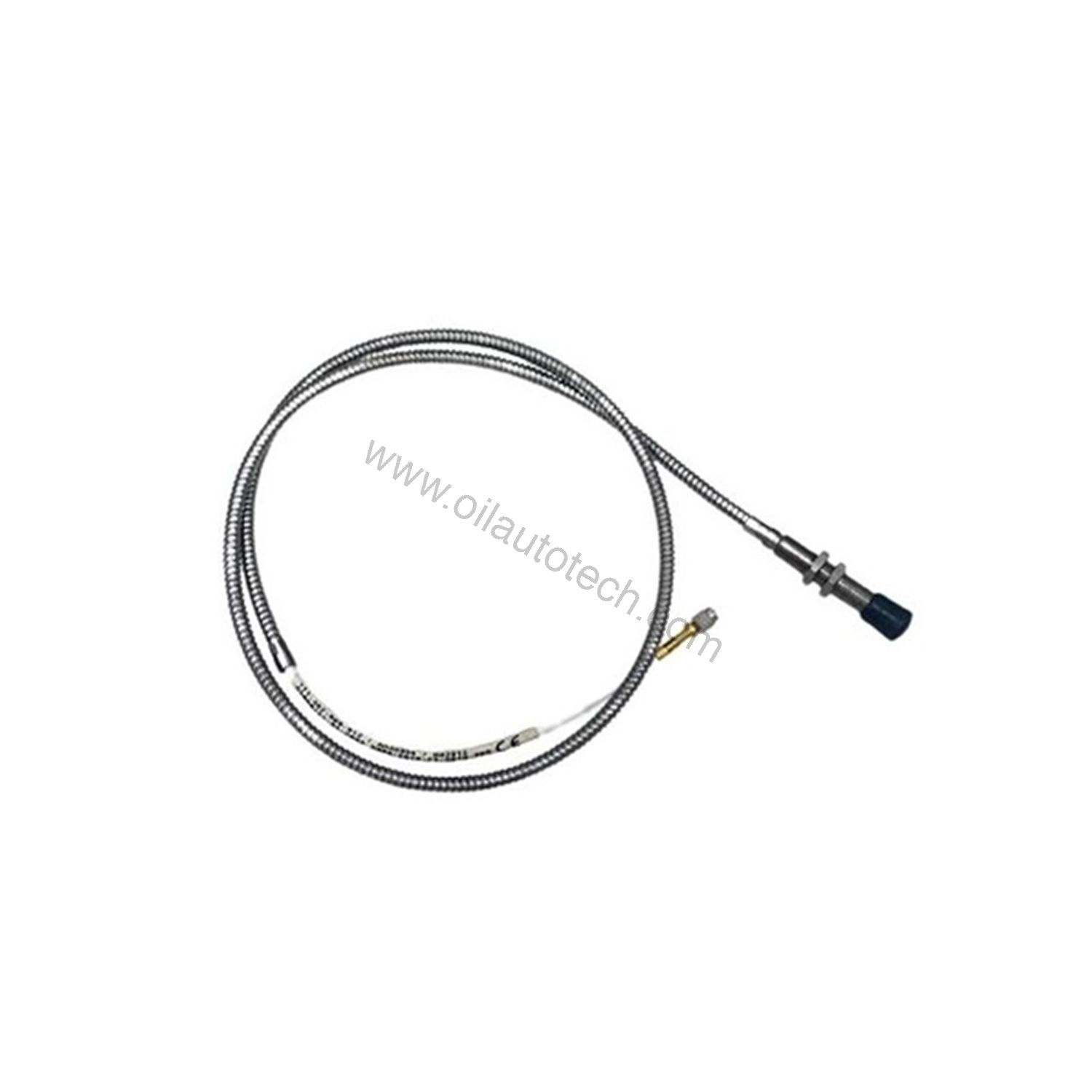
When a turbine trips unexpectedly, every minute of downtime costs money. The 111-402-000-013-A1-B1-C180-D080-E050-F0-G000-H05 from Meggitt (Vibro-Meter) is a proximity measuring system built to keep shaft vibration and position data flowing reliably. This non-contact eddy-current transducer delivers the measurement chain that machinery protection systems depend on.
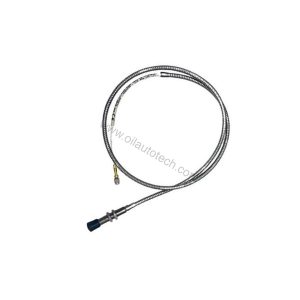
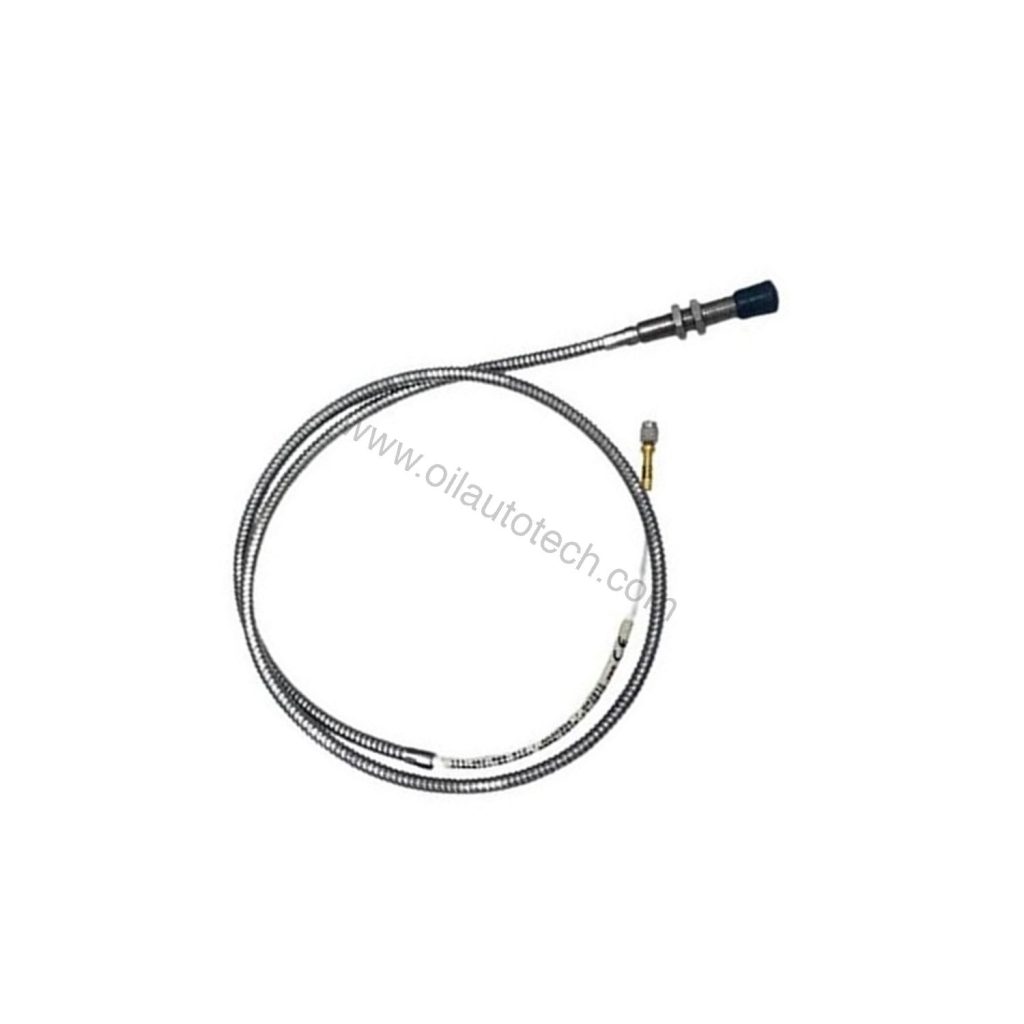
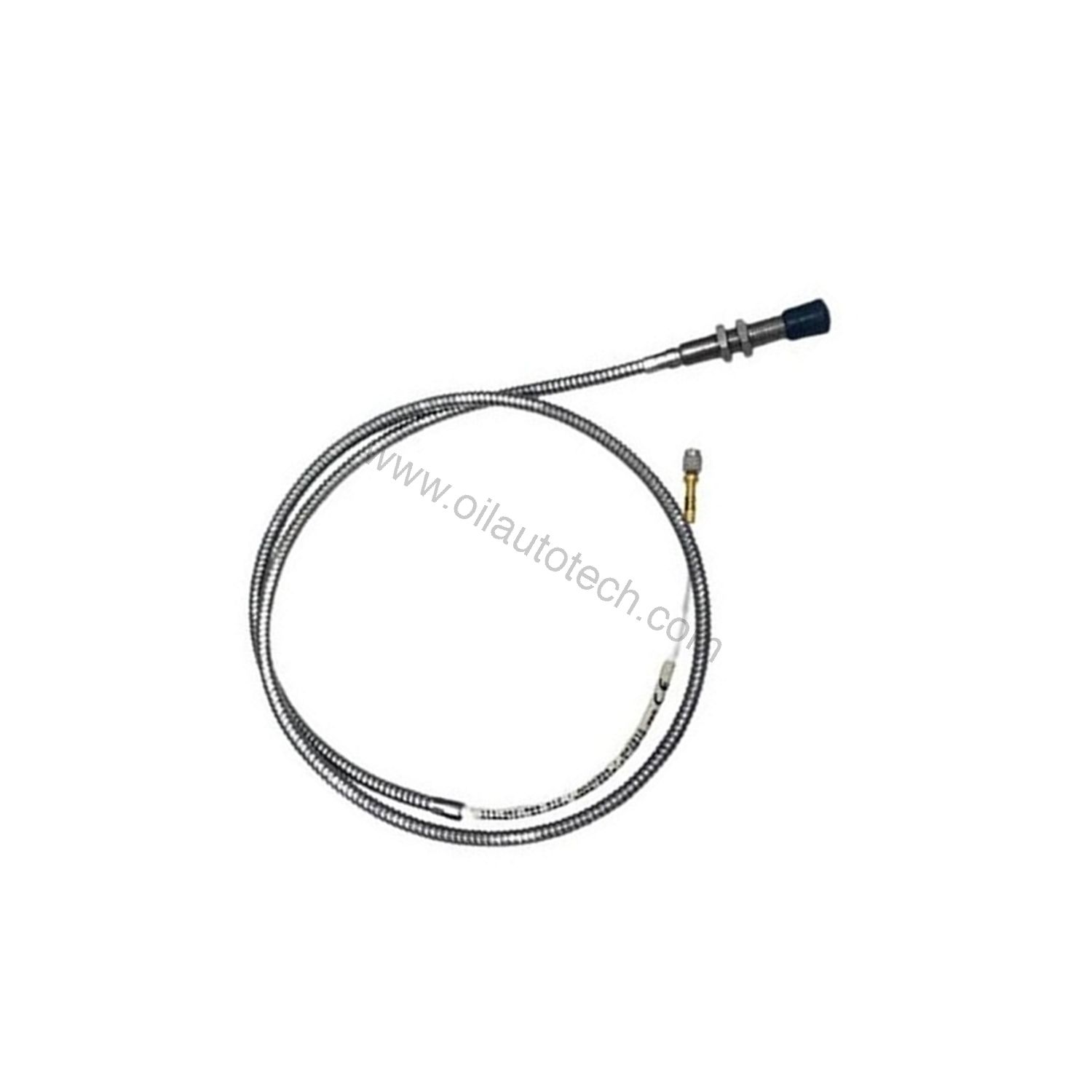
The system pairs a stainless steel AISI 316L body with a Torlon tip and a 5.0 m integral FEP coaxial cable. It conforms to API 670 recommendations and suits use with VM600Mk2/VM600 and VibroSmart machinery monitoring systems.
Key Specifications That Matter
Measurement Range and Frequency Response
The transducer covers a 2 or 4 mm measurement range with a frequency response from DC to 20 kHz (−3 dB). That bandwidth captures both slow shaft drift and high-frequency vibration events, so condition monitoring systems see the full picture.
Temperature Performance
The transducer operates from −40 to +180 °C with drift under 5%. Short-term survival extends to +220 °C. In Ex Zone applications, the transducer and cable handle −40 to +195 °C, while the cable, connector and optional protection reach −40 to +200 °C.
Mechanical Construction
The M10 × 1 body thread with a 180 mm body length and 80 mm unthreaded length fits standard mounting arrangements. The transducer head (tip and integral cable) carries an IP68 rating, and the assembly withstands 5 g peak vibration from 10 to 500 Hz plus 15 g peak shock.
Where This System Earns Its Keep
Steam turbine monitoring. Continuous shaft relative vibration measurement feeds directly into API 670 protection logic. The DC to 20 kHz response catches subsynchronous whirl and blade-pass frequencies alike.
Compressor gap measurement. The 2 or 4 mm range provides the axial position feedback needed for thrust bearing protection. Temperature-compensated design keeps readings stable through thermal cycling.
Ex Zone installations. Certified versions serve hazardous areas where standard transducers cannot go, with the transducer and cable rated to −40 to +195 °C.
Installation and Integration Notes
The transducer requires a high-frequency power source from an IQS900 signal conditioner. Self-locking miniature coaxial connectors hand-tighten until locked — no tools needed. Wiring into fieldbus networks may require an external gateway or connection module; confirm cables and gateways with your supplier.
Practical Maintenance Guidance
Inspect the transducer tip and cable periodically for mechanical damage. The FEP cable jacket resists most chemicals and offers low permeability to liquids, gases and moisture. In high-vibration areas, verify the connector remains locked and the cable routing avoids abrasion points.
Selection Checklist
Before ordering, confirm your signal conditioner compatibility, required cable length, and whether Ex certification is needed. Oil AutoTech provides hands-on technical selection help and fast dispatch, worldwide.
Contact Oil AutoTech today for pricing and availability.