Product Overview
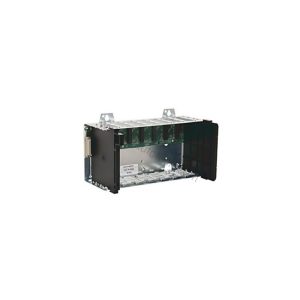
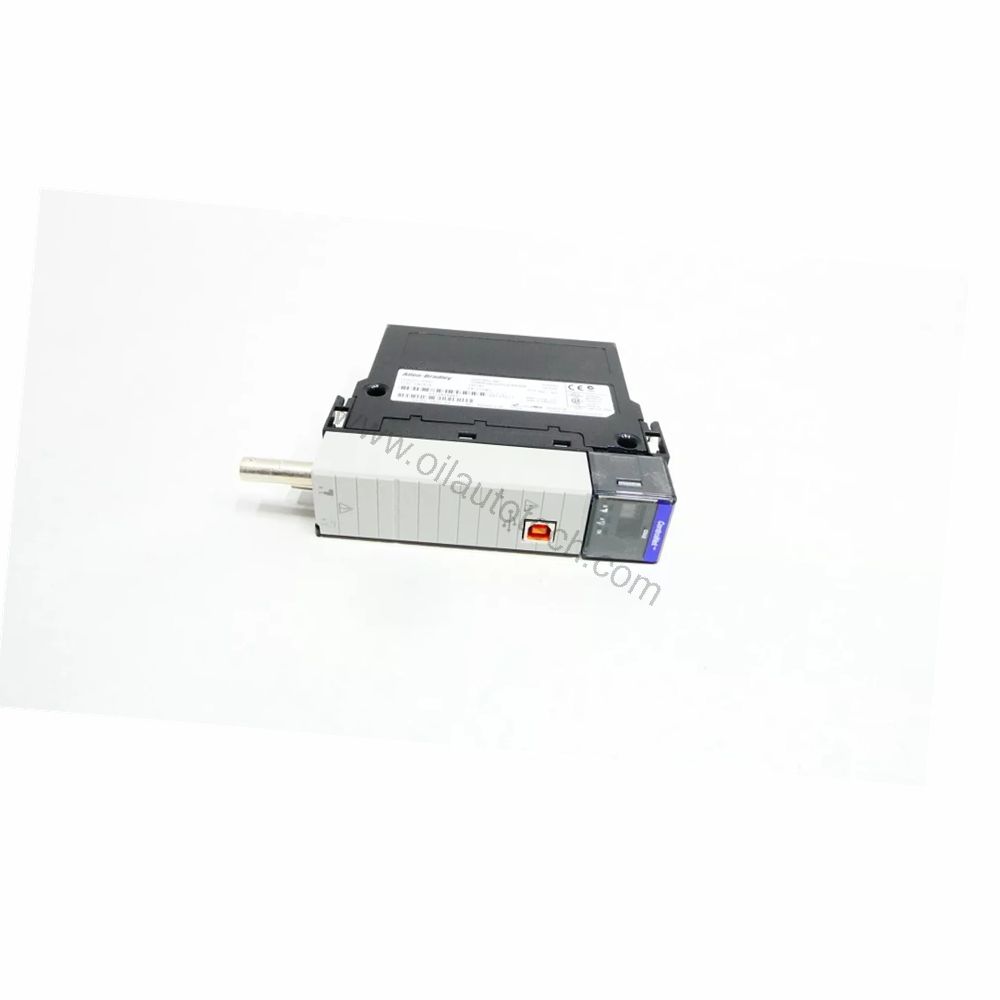
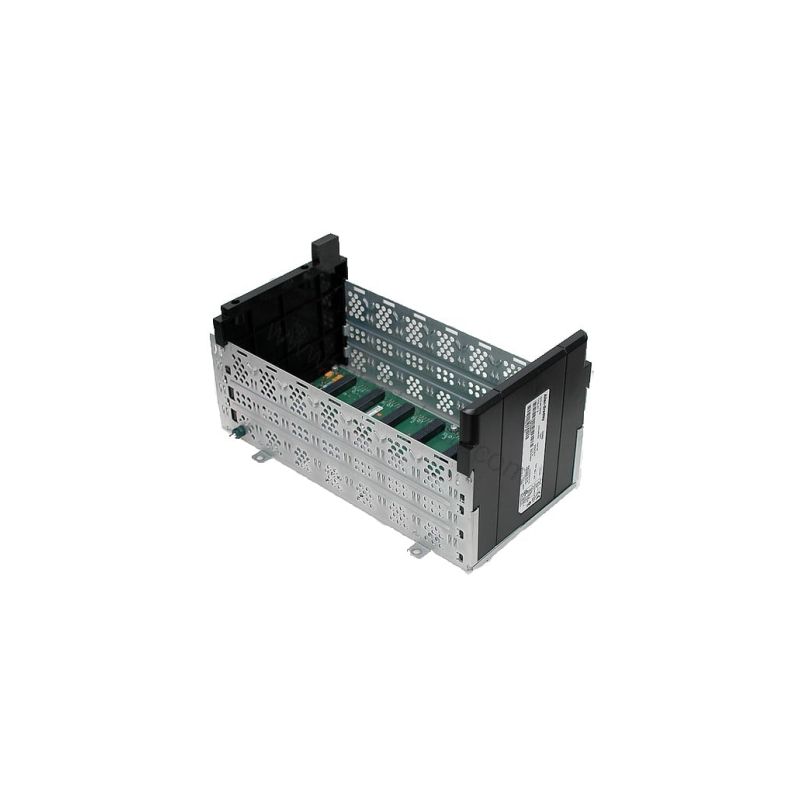
Downtime on a ControlLogix line rarely waits for a purchase order. The Allen-Bradley 1756-A4 is a 4-slot ControlLogix chassis that provides the physical and electrical foundation for a compact, serviceable control system. It mounts horizontally on a back panel and connects modules to the ControlLogix backplane, which distributes power and carries high-speed communication between installed modules.
From a maintenance engineer’s view, the 1756-A4 earns its place through two practical features: Removal and Insertion Under Power (RIUP) and electronic keying. RIUP lets you swap a module without shutting down the chassis, while electronic keying helps prevent the wrong module from being inserted into a slot. Both reduce the risk of a small service task turning into a full-line stoppage.
Technical Specifications
| Specification | Value |
|---|---|
| Manufacturer | Allen-Bradley / Rockwell Automation |
| Series | ControlLogix |
| Slots | 4 |
| Module Type | Chassis |
| Mounting | Horizontal, back-panel |
| Enclosure | Open |
| Backplane Current @ 1.2V DC | 1.5 A chassis / 1.5 A slot |
| Backplane Current @ 3.3V DC | 4 A chassis / 4 A slot |
| Backplane Current @ 5.1V DC | 15 A chassis / 6 A slot |
| Backplane Current @ 24V DC | 2.8 A chassis / 2.8 A slot |
| Power Consumption | 1.8 W |
| Power Dissipation | 6.1 BTU/hr |
| Dimensions (WxHxD) | 263 x 169 x 145 mm |
| Minimum Cabinet Size | 507 x 507 x 203 mm |
| Weight | 0.75 kg (1.7 lb) |
The 4-slot format suits small, distributed I/O drops where a larger chassis would waste panel space. Backplane current limits matter when you plan module loading: the 5.1V DC rail allows 15 A total across the chassis but only 6 A per slot, so high-draw modules should be spread across slots rather than stacked in one position.
Compatibility and Integration
The 1756-A4 works with these power supplies: 1756-PA72, 1756-PB72, 1756-PA75, 1756-PB75, 1756-PC75, and 1756-PH75. The power supply mounts outside the chassis through the power supply interface, so it does not consume a slot. Empty slots require 1756-N2 slot filler modules to maintain proper airflow and backplane integrity.
In a distributed application, the 1756-A4 can serve as a remote I/O chassis fitted with a communication adapter instead of a processor. Each chassis in the system needs its own power supply. Confirm your adapter, cabling, and network gateway requirements with your supplier before ordering, since these depend on your existing architecture.
Maintenance and Reliability
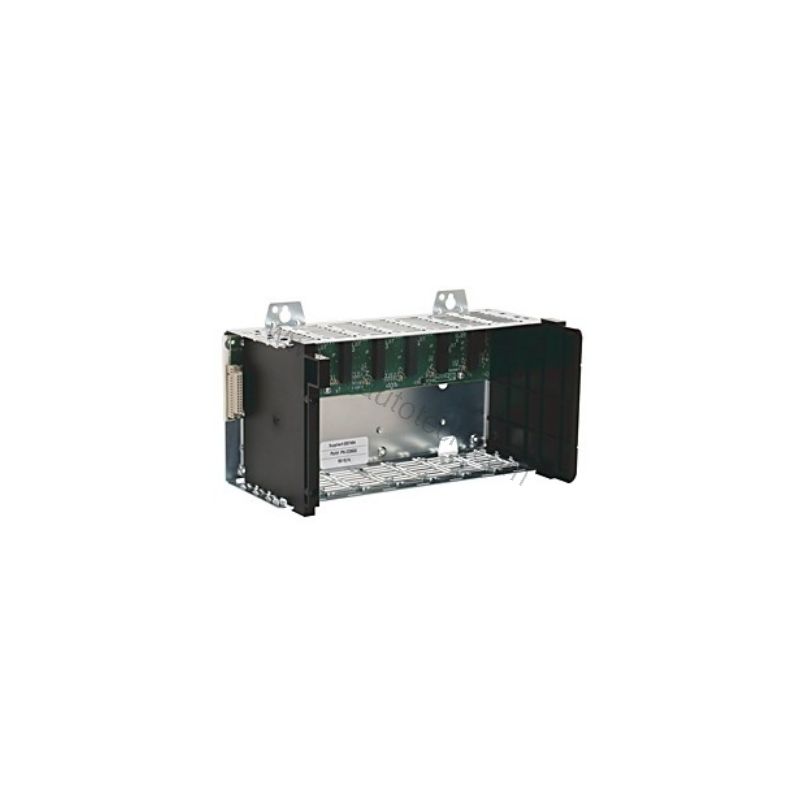
The open enclosure means the chassis relies on the cabinet for environmental protection. Keep the minimum cabinet size of 507 x 507 x 203 mm in mind during panel layout to allow airflow and service access. Power dissipation is low at 6.1 BTU/hr, so thermal load from the chassis itself is minimal.
For reliability, inspect backplane connectors periodically for contamination and verify that filler modules remain seated in unused slots. RIUP supports faster corrective maintenance, but always follow the manufacturer’s safety manual and your site’s lockout procedures before working in an energized panel.
Please verify current lifecycle status and availability with Oil AutoTech before ordering.
FAQs
What power supplies work with the 1756-A4?
It is compatible with 1756-PA72, 1756-PB72, 1756-PA75, 1756-PB75, 1756-PC75, and 1756-PH75. The supply mounts externally through the power supply interface.
Can I replace modules while the system is running?
Yes. The 1756-A4 supports Removal and Insertion Under Power (RIUP), which allows module changes without shutting down the chassis. Follow your site’s safety procedures.
What happens if I leave a slot empty?
Empty slots require a 1756-N2 slot filler module to maintain proper airflow and backplane integrity.
Can the 1756-A4 be used as remote I/O?
Yes. In a distributed application, it can house a communication adapter and I/O modules instead of a processor. Each chassis requires its own power supply.
How much panel space does it need?
The chassis measures 263 x 169 x 145 mm and requires a minimum cabinet of 507 x 507 x 203 mm for airflow and service access.