Why the 1756-OV16E Belongs in Your ControlLogix Chassis
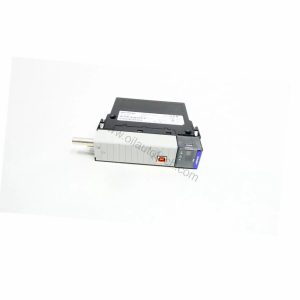
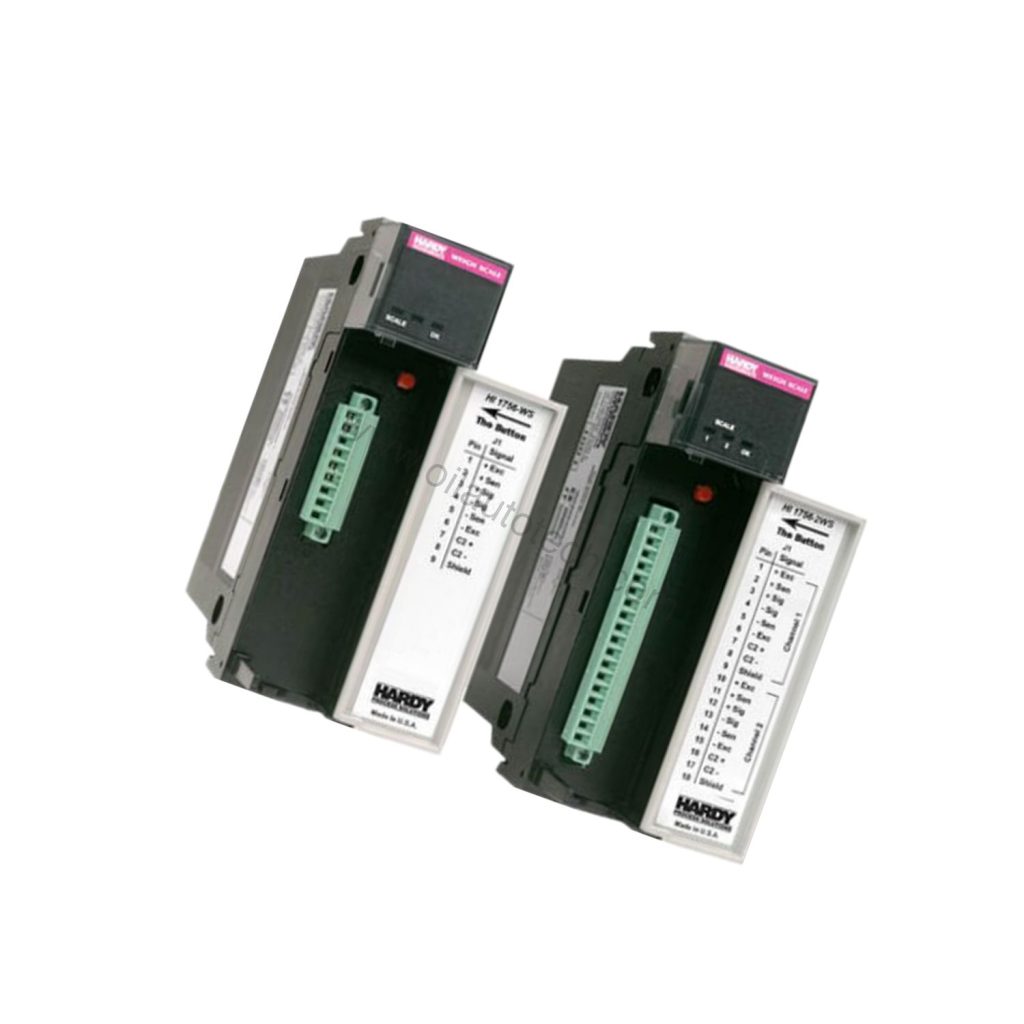
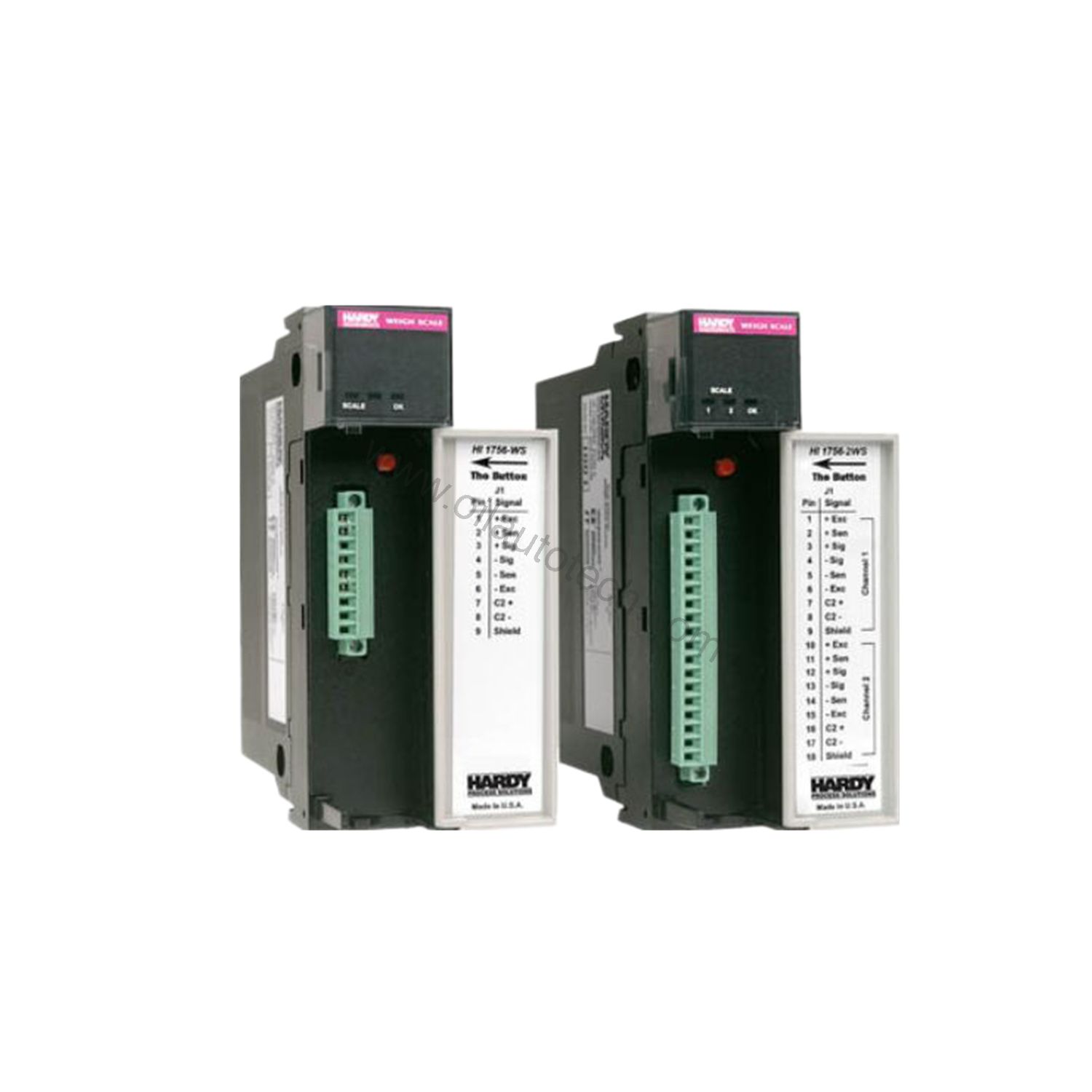
When a DC output point fails, the whole line feels it. The Allen-Bradley 1756-OV16E answers that risk directly: a ControlLogix electronically fused sinking output module with 16 points, each protected by its own electronic fuse. Instead of pulling the chassis to swap a blown fuse block, technicians get a clear fault path and a fast recovery. That practical advantage is why this module stays in demand across oil, gas, and heavy industrial automation panels.
Inside the 1756-OV16E: What the Ratings Actually Deliver
Voltage and Current Headroom
The module operates across a 10-30V DC range, with a nominal 12-24V DC sink configuration. Each output point carries up to 1A at 60 °C, while the module aggregate reaches 8A at the same ambient. That split matters: you can drive sixteen independent field devices without derating the whole card for one heavy load.
Electronic Fusing and Isolation
Electronic fusing replaces conventional fuse terminals, so a shorted point does not take down its neighbors. Isolation is rated 50V continuous, keeping field-side disturbances away from the backplane.
Backplane and Thermal Load
The module draws 210 milliamps at 5V from the backplane and dissipates a maximum of 6.72W at 60 °C. Plan panel airflow accordingly in dense racks.
Terminal Blocks
Removable terminal blocks 1756-TBNH and 1756-TBSH are supported, which simplifies field wiring and module replacement.
Where This Module Earns Its Place
In upstream oil and gas, the 1756-OV16E typically drives solenoid pilot valves, indicator stacks, and relay coils from a ControlLogix controller. The 1A per-point rating suits pilot duty loads, and the 10-30V DC window tolerates the voltage sag common on long field runs.
In water treatment and packaged skids, the 16-point density reduces the number of output cards per panel. Fewer cards mean fewer chassis slots, less wiring, and a lower spares inventory — a straightforward cost benefit for integrators standardizing on ControlLogix.
For retrofit projects, this module is a practical drop-in when an existing DC output card reaches end of service. Matching the sinking configuration and voltage range to the original wiring is the critical step.
Integration Notes for ControlLogix Systems
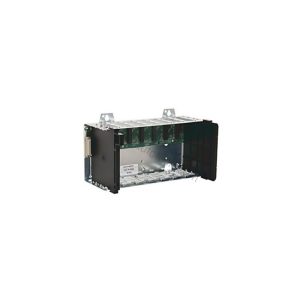
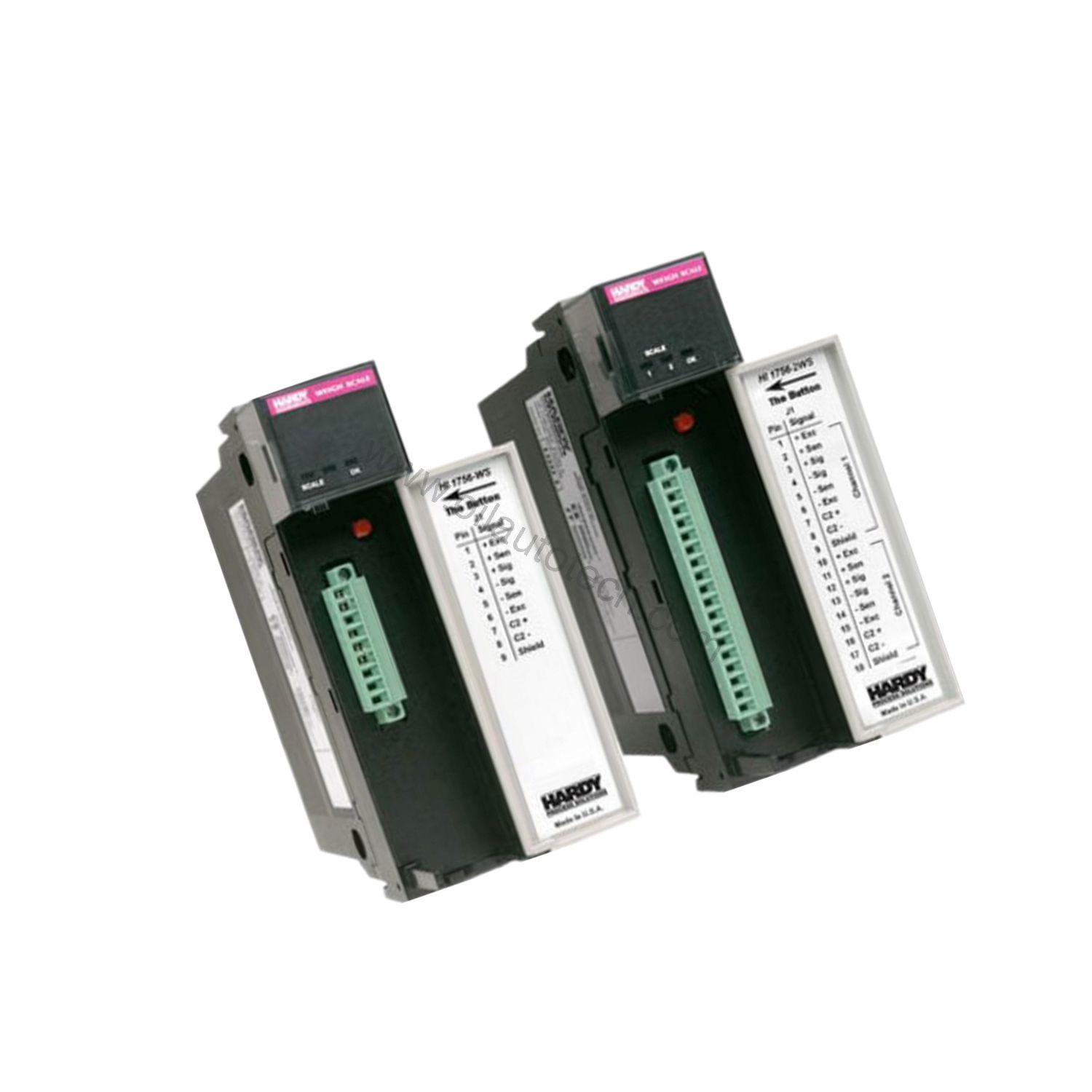
The 1756-OV16E sits in any standard 1756 ControlLogix chassis slot and communicates over the backplane. It carries no onboard network port, so fieldbus connectivity depends on the chassis communication module. When wiring into PROFINET, EtherNet/IP, or DeviceNet networks, confirm gateway and cabling requirements with your supplier before commissioning.
Selection Checklist Before You Order
Verify three things: the load is sinking (current returns to the module), total module current stays within 8A at 60 °C, and the ambient temperature stays inside the 0-60 °C operating window. Confirm your terminal block choice — 1756-TBNH or 1756-TBSH — matches existing wiring. Please verify current lifecycle status and availability with Oil AutoTech before ordering.
FAQ
Q: How many outputs does the 1756-OV16E provide?
A: It provides 16 sinking outputs, each electronically fused.
Q: What is the maximum current per output point?
A: 1A at 60 °C, with an 8A aggregate limit for the module.
Q: Which terminal blocks fit this module?
A: The removable terminal blocks 1756-TBNH and 1756-TBSH.
Q: What voltage range does it accept?
A: An operating range of 10-30V DC, nominal 12-24V DC sink.