Product Overview
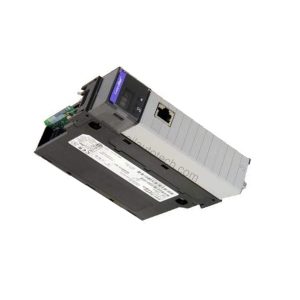
Downtime in a ControlLogix line often traces back to an output module that cannot tell you which point failed. The Allen-Bradley 1756-OA8D solves that problem. This ControlLogix diagnostic AC output module packs eight electronically fused diagnostic outputs into a single slot, so your maintenance team sees channel-level faults before they cascade into a full line stop.
Rockwell Automation built this module for plants that cannot afford guesswork. Each output point reports its own status, turning troubleshooting from a multimeter hunt into a quick scan of the controller’s diagnostics.
Technical Specifications
| Specification | Value |
|---|---|
| Series | ControlLogix |
| Module Type | Diagnostic AC Output Module |
| Outputs | 8 Diagnostic |
| Voltage | 120 Volts AC |
| Operating Voltage Range | 74-132 Volts AC |
| Maximum Output Current Rating-Point | 1 Amp at 30 degrees Celsius, 0.5 Amps at 60 degrees Celsius |
| Maximum Output Current Rating-Module | 8 Amps at 30 degrees Celsius and 4 Amps at 60 degrees Celsius |
| Power Dissipation (Max) | 5.3 Watts at 60 degrees Celsius |
| Backplane Current at 5 Volts | 175 milliamps |
| Backplane Current at 24 Volts | 250 milliamps |
| Isolation Voltage | 50 Volts Continuous |
| Removable Terminal Block(s) | 1756-TBNH, 1756-TBSH |
| Enclosure | None |
Key Parameters That Matter on the Floor
The 74-132V AC operating range gives you headroom on real-world supply variation. The 8-point diagnostic design means each channel carries its own health signal, so a failed output shows up in the controller before a downstream process drifts. At 30 degrees Celsius, each point handles 1 Amp and the module handles 8 Amps total. Those ratings de-rate linearly as cabinet temperature climbs, so thermal planning matters. The 5.3 Watt maximum power dissipation at 60 degrees Celsius tells you how much heat this module adds to your enclosure.
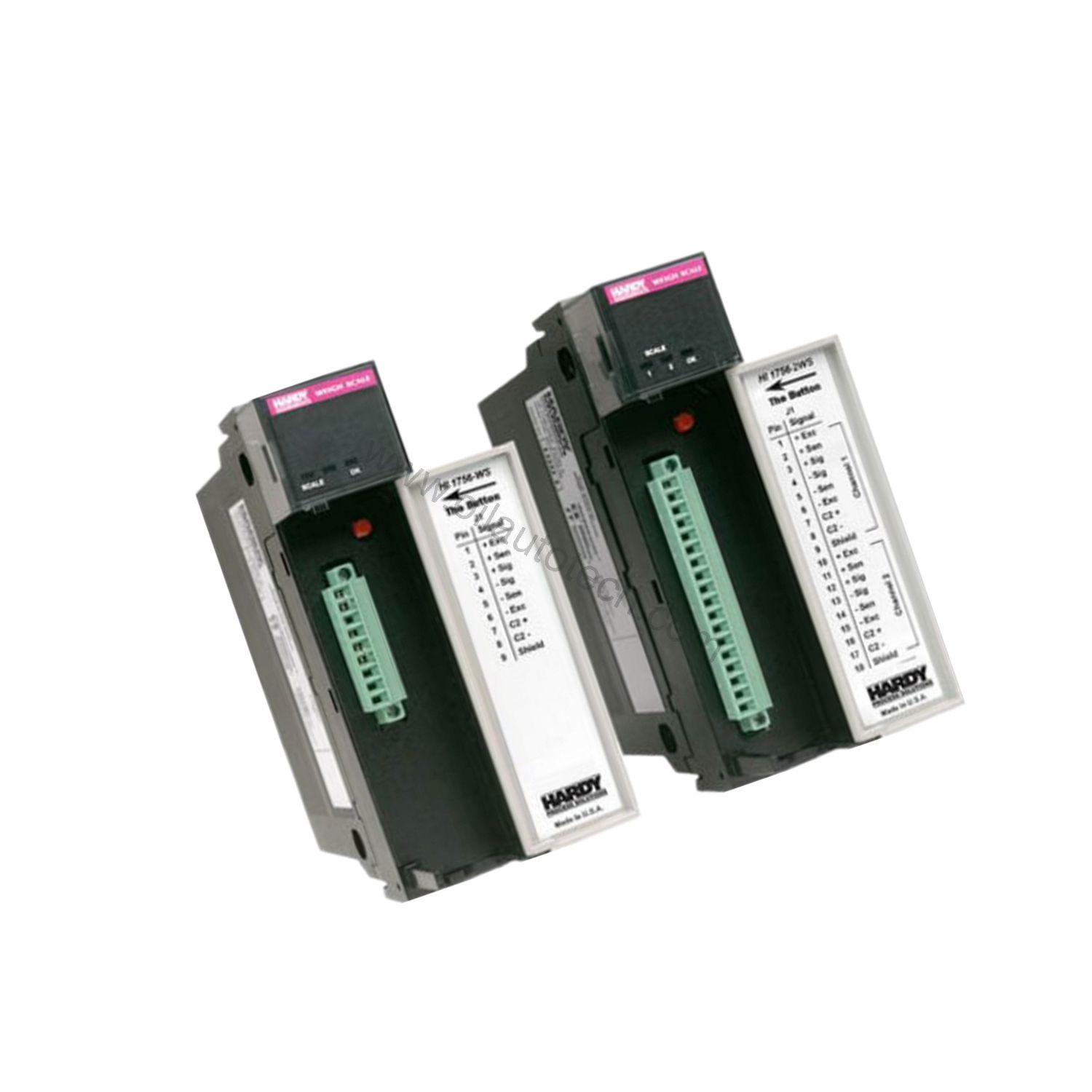
Where the 1756-OA8D Earns Its Place
Oil and gas facilities running ControlLogix racks use this module for pilot valve control, motor starter interfacing, and solenoid banks where a silent output failure is expensive. In a pipeline station, diagnostic feedback on each AC output lets operators isolate a stuck valve without shutting the whole header. In packaging or water treatment, the same diagnostic capability shortens mean time to repair because technicians know which point to check first.
Installation and Integration Notes
The module mounts in any slot of a 1756 ControlLogix chassis. It uses removable terminal blocks, and the 1756-TBNH and 1756-TBSH are the compatible options. Wiring into a ControlLogix backplane is straightforward, but if your architecture bridges to a fieldbus network, confirm gateway and cabling requirements with your supplier before commissioning. The module carries no enclosure, so it relies on the chassis and cabinet for environmental protection.
Maintenance and Reliability
Inspect terminal connections and cabinet temperature periodically. Because the module de-rates above 30 degrees Celsius, keeping cabinet airflow clean protects both point and module current capacity. The diagnostic outputs themselves act as a maintenance tool: trend the fault data and you can schedule replacement of a degrading field device before it takes the line down.
Selection Checklist
Before ordering, confirm your chassis series, required point count, and AC supply voltage. Verify that the 1756-TBNH or 1756-TBSH terminal block you plan to use matches your wiring method. Oil AutoTech provides hands-on technical selection help and fast dispatch, worldwide, for spares when you need them. Contact Oil AutoTech today for pricing and availability.