Why the 1756-CNBR/D Still Matters on Your Line
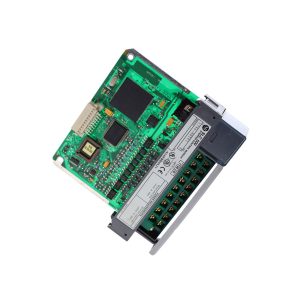
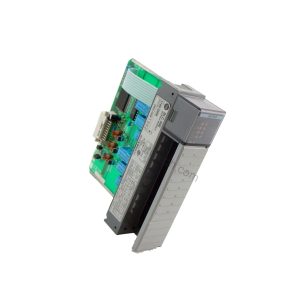
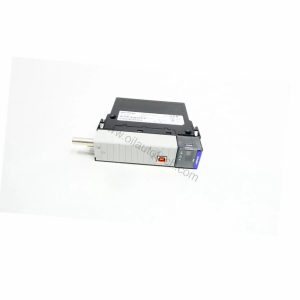
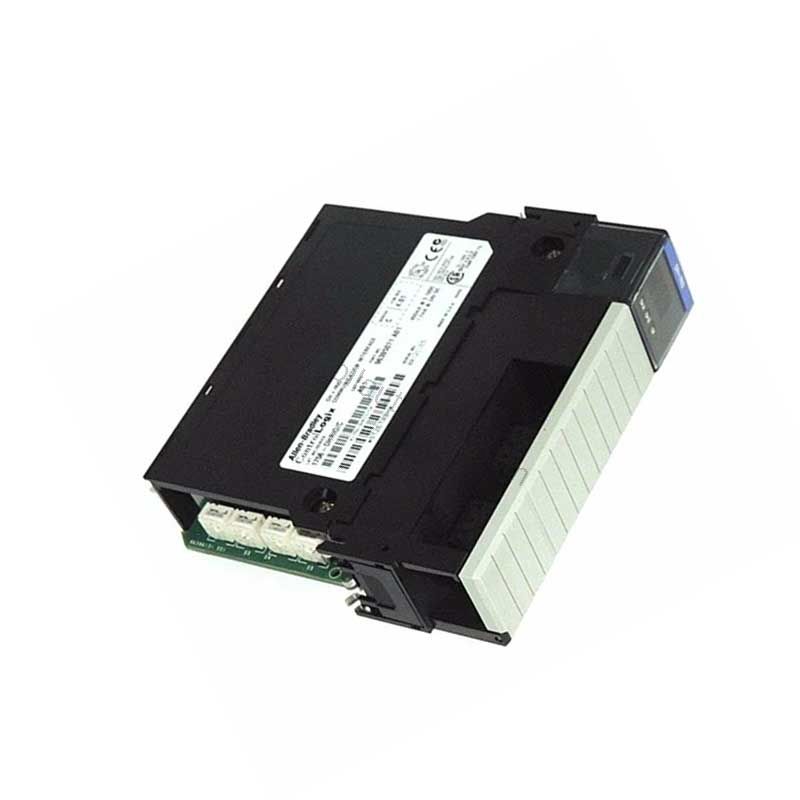
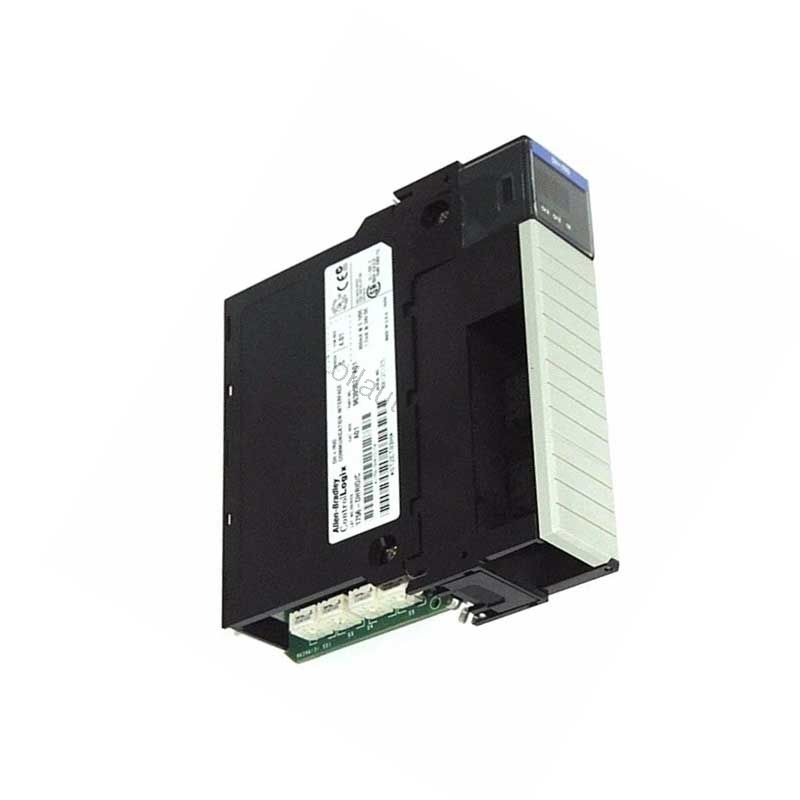
A ControlNet link drops, and a whole process area goes dark. That is the practical cost of a single-point network failure. The Allen-Bradley 1756-CNBR/D exists to remove that risk. It is a ControlNet redundant bridge module for the ControlLogix (Bulletin 1756) platform, Series D, and it carries two redundant ControlNet channels (A/B) so communication survives a link failure instead of stopping production.
Rockwell Automation discontinued this module on 2024-12-31. The official replacement is the 1756-CN2R. That makes sourcing the 1756-CNBR/D a timing and cost decision, not just a catalog lookup.
Technical Specifications
| Specification | Value |
|---|---|
| Part Number | 1756-CNBR/D |
| Manufacturer | Allen-Bradley (Rockwell Automation) |
| Series | ControlLogix / Bulletin 1756 |
| Product Type | ControlNet Redundant Bridge Module |
| Channels | 2 (ControlNet A/B) |
| Backplane Current | 970mA @ 5.1V, 1.7mA @ 24V |
| Isolation | 30V |
| Operating Temperature | 0 to 60 C (32 to 140 F) |
| Storage Temperature | -40 to 85 C |
| Lifecycle Status | Discontinued (2024-12-31) |
| Replacement | 1756-CN2R |
What the Numbers Mean for Uptime and Cost
Two channels are the core value here. Channel A and channel B run in parallel, so a cable break or a failed segment on one path does not stop data flow. In cost terms, that redundancy is cheap insurance against an unplanned outage.
The 970mA @ 5.1V backplane draw matters when you plan chassis loading. It is a real load on the 1756 power supply, and sizing that supply correctly avoids brownouts that take down neighbouring modules. The 1.7mA @ 24V draw is negligible, but it still counts in a full chassis budget.
30V isolation separates the ControlNet side from the backplane. In mixed industrial environments, that barrier protects the controller from transients riding in on the network cabling — a practical defence against the kind of electrical noise that shortens module life.

Where This Module Fits
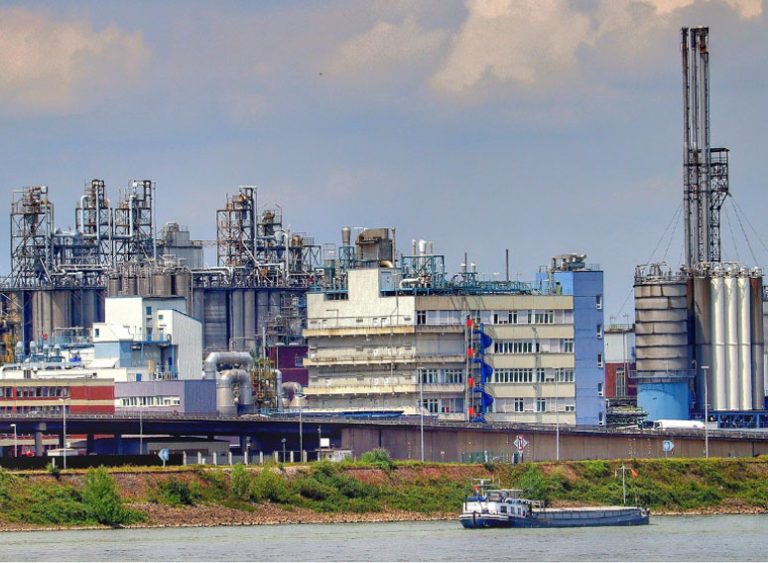
ControlNet redundant bridges suit fault-tolerant architectures. In oil and gas, a pipeline control segment often cannot tolerate a single network fault, so A/B redundancy keeps the controller talking to remote I/O. In water treatment, the same logic applies to pump stations spread across a site. In heavy manufacturing, redundant ControlNet protects transfer lines where a dropped link stops the whole cell.
Because the module is discontinued, the cost calculation shifts. Buyers either stock spares for existing ControlLogix installations or plan a controlled migration to the 1756-CN2R. Either path is cheaper when planned than when forced by a failure.
Installation and Integration Notes
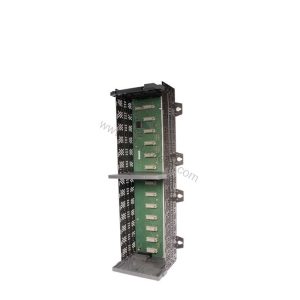
The module mounts in a ControlLogix chassis, and any module can sit in any slot. Configuration happens in Studio 5000 Logix Designer (formerly RSLogix 5000). The chassis backplane (ControlBus) carries communication between modules, and a dedicated 1756 power supply module powers the chassis.
Wiring into a ControlNet network may require specific cabling or connection hardware. Confirm the exact cable and connector requirements with your supplier before installation. Keep the operating range of 0 to 60 C in mind when choosing a panel location, and respect the -40 to 85 C storage range for spares held in unheated stores.
Sourcing a Discontinued Module
With the 2024-12-31 discontinuation date behind us, availability tightens over time. Verify lifecycle status and stock with Oil AutoTech before ordering. If you are planning a longer-term fix, ask about the 1756-CN2R as the official replacement path.
Oil AutoTech supplies ready-to-ship spares for oil, gas and industrial automation applications, with fast dispatch, worldwide. Hands-on technical selection help is available if you need to confirm chassis compatibility or power budget before you commit.
Contact Oil AutoTech today for pricing and availability.