Product Overview
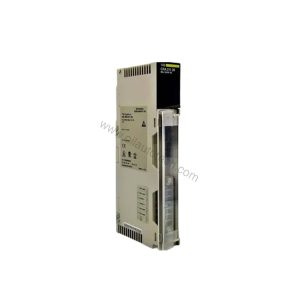
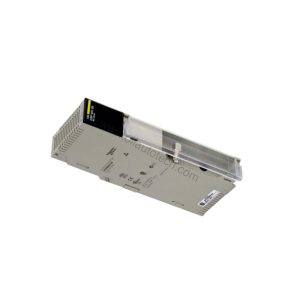
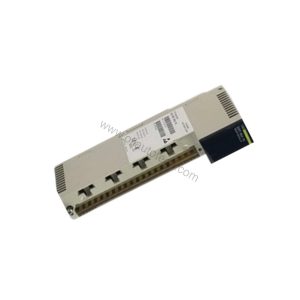
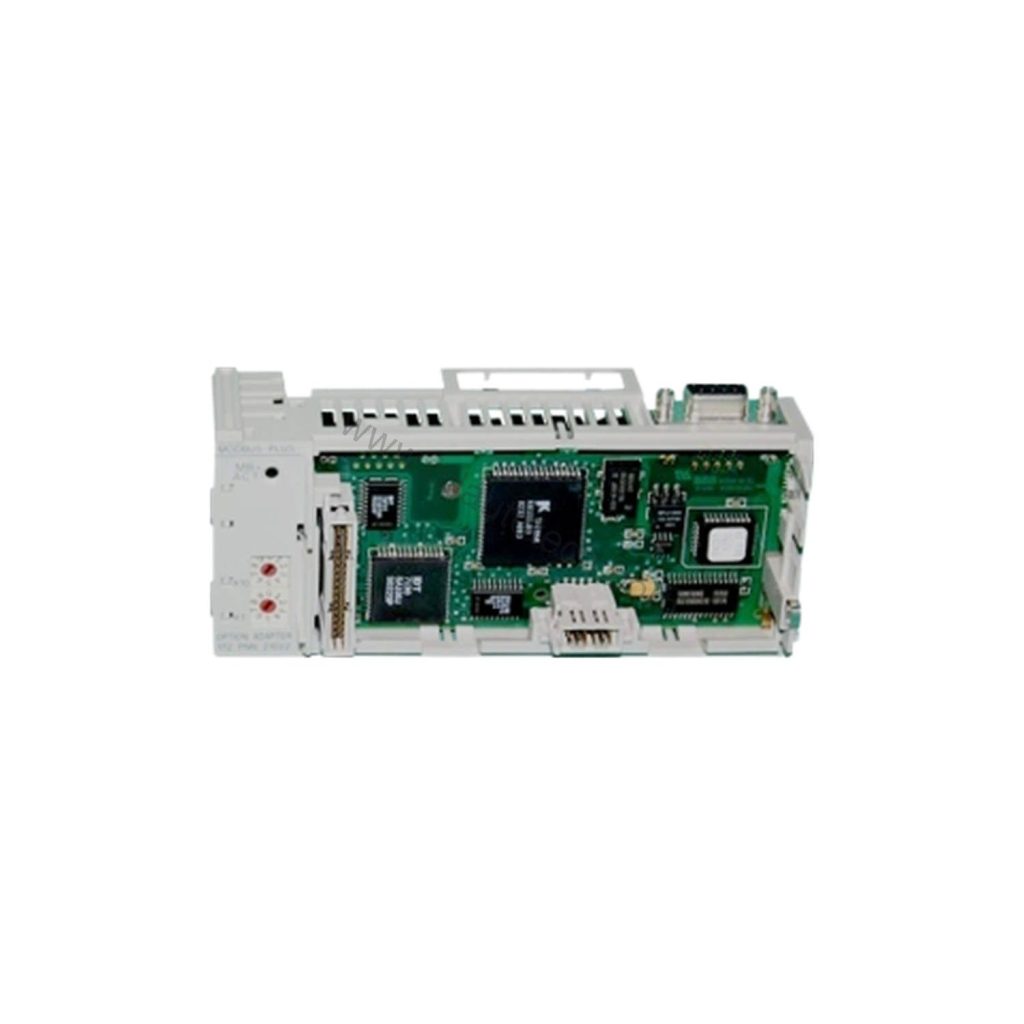
Downtime on a Modbus segment rarely waits for a convenient moment. The Schneider Electric 172PNN21022C is a communication adaptor built for the Modicon Momentum series, and it exists to keep that segment talking. It handles Modbus communication at a rated supply voltage of 5 V DC, drawing 700 mA, and takes its supply through the I/O base rather than a separate feed.
From a maintenance engineer’s standpoint, that matters. Fewer terminations means fewer places for a loose connection to hide during a fault-finding walkdown.
Key Parameters at a Glance
| Specification | Value |
|---|---|
| Product line | Modicon Momentum |
| Communication type | Modbus |
| Rated supply voltage | 5 V DC |
| Supply source | Via I/O base |
| Current consumption | 700 mA |
| Electrical connection | 1 connector, D-shell, 9 pins |
| Local signalling | LED |
| Battery type / size | Lithium, 2/3 AA |
| Clock drift | ±13 s/day |
| Dielectric strength | 500 V DC |
| Housing material | Lexan |
What the Numbers Mean in Service
The 700 mA current draw is the figure to check when you are sizing the load on an I/O base that already carries other modules. The 5 V DC rail is supplied through the base, so a marginal base supply shows up here first.
The lithium 2/3 AA battery supports time-dependent functions, and the ±13 s/day clock drift tells you how much time error accumulates between checks. For timestamped events, that drift is worth tracking on a scheduled basis rather than discovering it during a post-incident review.
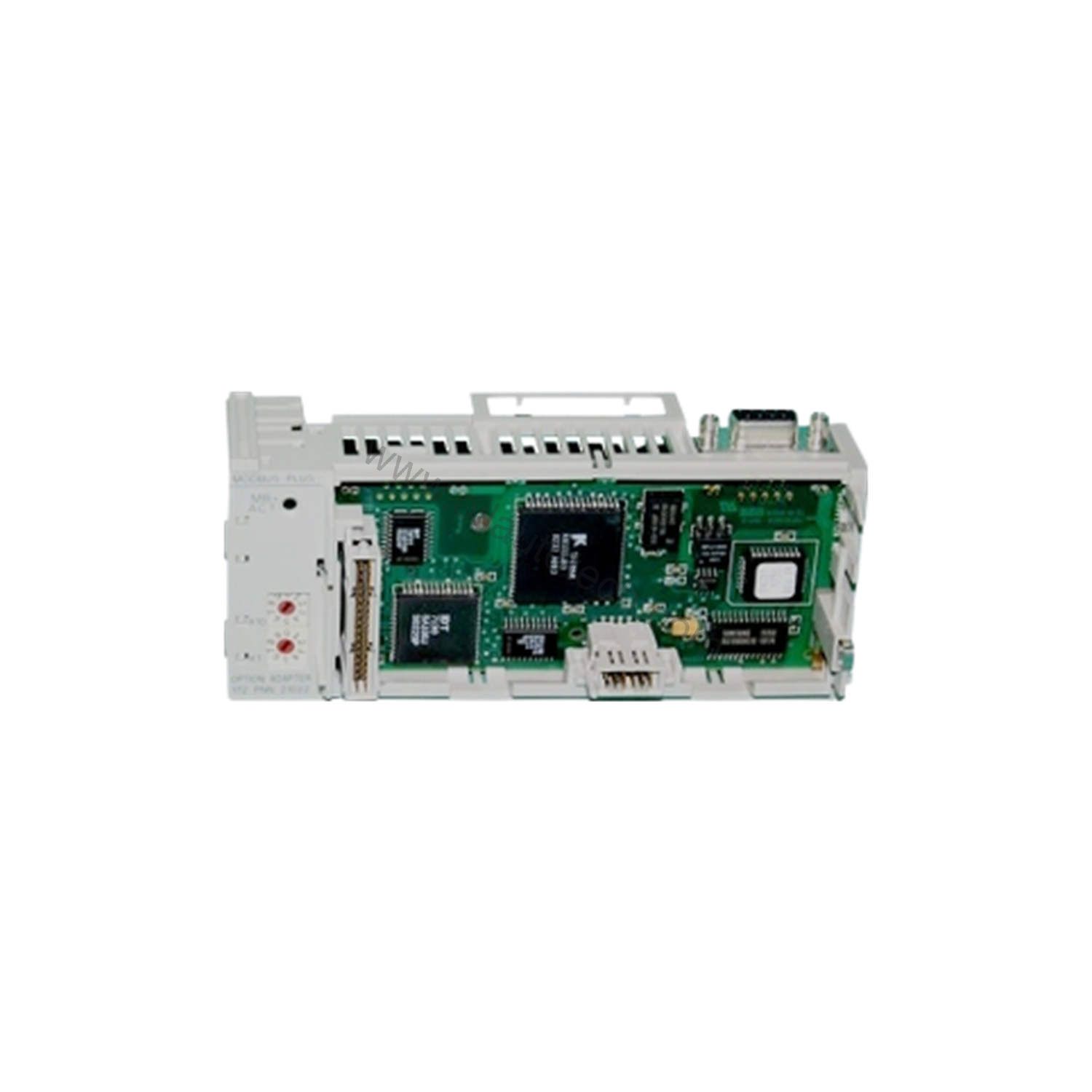
The D-shell 9-pin connector keeps field wiring straightforward, and the LED gives you a local status read without opening a laptop.
Where It Fits
Modbus remains common across oil, gas and process installations because it is simple and well understood. This adaptor suits panel builders and maintenance teams supporting Modicon Momentum racks in those environments.
Typical situations include:
- Restoring communications on an existing Momentum assembly where the adaptor has failed.
- Building a spare kit so a Modbus segment can be brought back without waiting on a long procurement cycle.
- Supporting legacy control cabinets where the Momentum platform is still doing real work.
Fitting and First Checks
Mount the adaptor as part of the Momentum assembly and confirm it is seated correctly on the I/O base, since that base is the power path. Verify the D-shell connector is fully engaged and the retaining hardware is secure.
On power-up, watch the LED for local status. If the segment does not come alive, confirm the 5 V DC supply at the base before assuming the adaptor is at fault. Check the lithium 2/3 AA battery as part of commissioning, particularly on units that have sat in storage.
Integration Note
Modbus wiring into an existing network may require an external gateway or connection module depending on your architecture. Confirm cables and any gateway requirements with your supplier before ordering.
Keeping It Reliable
Inspect the D-shell connection periodically for corrosion or mechanical strain, especially in humid or vibration-heavy areas. Log the clock drift against your time-critical functions so you know when accuracy falls outside tolerance. Replace the lithium 2/3 AA battery on a planned schedule rather than reactively.
Because the supply comes through the I/O base, a quick voltage check at the base is the fastest first diagnostic step when communications drop. Keep a spare adaptor on the shelf: fast dispatch, worldwide, is what keeps a Modbus outage measured in hours instead of weeks.
Please verify current lifecycle status and availability with Oil AutoTech before ordering.
Choosing the Right Unit
Before you buy, confirm the Modicon Momentum assembly you are supporting and that Modbus is the protocol in use. Check that your I/O base can supply the 5 V DC rail at the required 700 mA alongside existing modules.
If you are unsure which adaptor suits your rack, hands-on technical selection help is available. Contact Oil AutoTech today for pricing and availability.