Product Overview
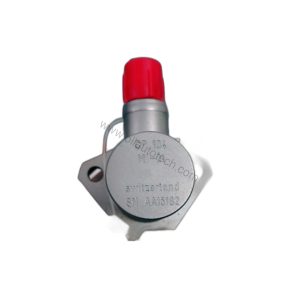
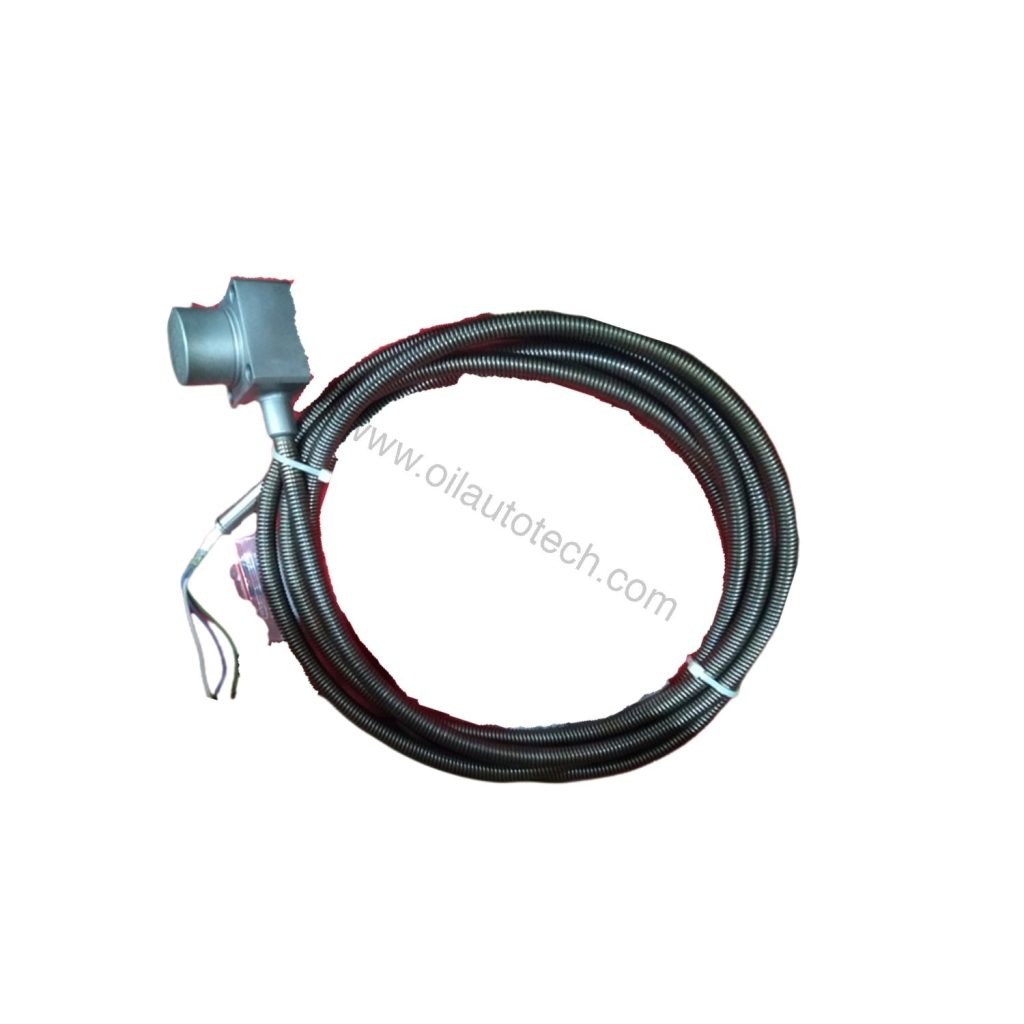
When vibration monitoring loops fail in oil, gas, or heavy industry, unplanned downtime follows fast. The 144-201-000 from Vibro Meter is a CA 201 piezoelectric accelerometer built for exactly those environments. It converts machine vibration into a charge signal with 100 pC/g sensitivity, so condition-monitoring systems see the earliest signs of imbalance, misalignment, or bearing wear.
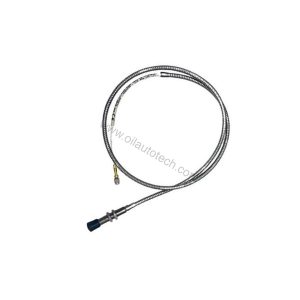
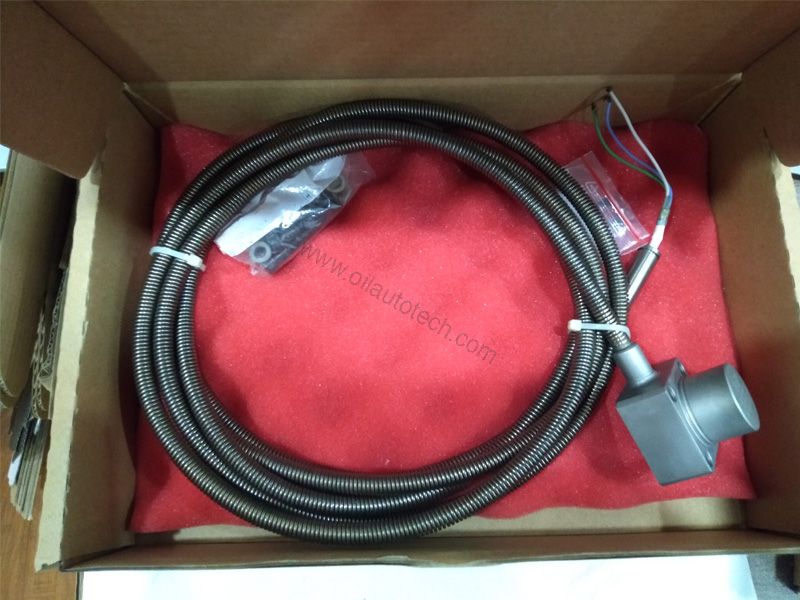
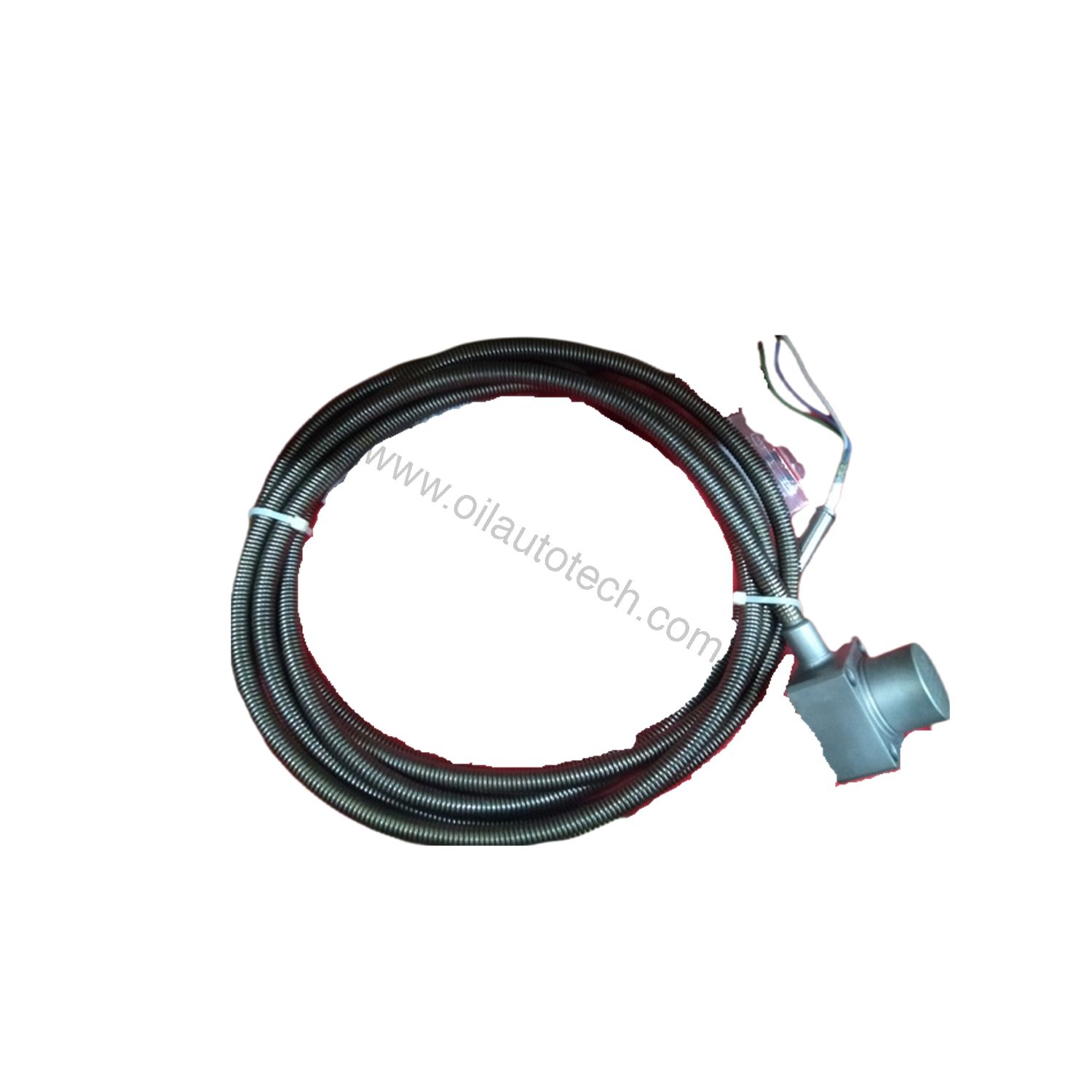
This symmetrical sensor uses internal case insulation and a differential output. Its hermetically welded austenitic stainless-steel case and heat-resistant stainless-steel protection hose form a sealed, leaktight assembly. The unit is impervious to 100% relative humidity, water, steam, oil, and sea-salt atmospheres, plus dust, fungus, and sand.
Key Specifications That Matter
| Parameter | Value |
|---|---|
| Sensitivity | 100 pC/g ±5% |
| Dynamic measurement range | 0.01 to 400 g peak |
| Frequency response | 0.5 to 6000 Hz, ±5% |
| Continuous temperature range | −55 to +260°C for sensor |
| Resonant frequency | >22 kHz nominal |
| Input power requirements | None |
| Case material | Austenitic stainless steel |
| Connector | Terminated with flying leads |
The 100 pC/g sensitivity delivers a strong signal for charge converters such as the IPC70x signal conditioner. The 0.5 to 6000 Hz range covers most rotating machinery faults, while the 400 g peak dynamic range and 500 g peak overload capacity handle spikes without clipping. Because the sensor needs no input power, field wiring stays simple and reliable.
How It Compares
Compared with general-purpose industrial accelerometers, the 144-201-000 stands apart in three ways:
- Temperature ceiling: −55 to +260°C continuous operation suits hot process areas where standard sensors derate or fail.
- Sealing: Hermetically welded stainless steel resists steam, salt, and contaminants that shorten ordinary sensor life.
- Signal type: Charge output with differential, case-insulated design pairs with charge converters for long cable runs in noisy plants.
For hazardous areas, Ex i versions certified for potentially explosive atmospheres are available in the same product line.
Where It Fits
Steam turbine monitoring. High surface temperatures and steam exposure are routine here. The welded stainless housing and wide temperature range keep the sensor stable where lesser units degrade.
Pump and compressor trains in oil and gas. Continuous vibration data feeds protection systems, catching bearing degradation before it becomes a shutdown. The differential output rejects common-mode noise from nearby drives and cabling.
Harsh outdoor installations. Sea-salt atmospheres, sand, and humidity attack exposed instrumentation. The sealed assembly resists all three.
Installation Notes
The sensor mounts with four M6 × 35 Allen screws and four M4 spring-lock washers at a nominal tightening torque of 15 Nm. Electrical insulation of the mounting surface is not required. The unit terminates with flying leads, and the integral cable carries a continuous rating of −55 to +200°C. Keep cable routing away from high-temperature zones beyond that limit and secure the protection hose to avoid strain at the sensor joint.
Selection Checklist
Before ordering, confirm the cable length you need. The ordering options include 144-201-000-2 with 3 m integral cable, 144-201-000-4 with 6 m, and the Ex i variant 144-201-000-1 with 3 m cable. Pair the sensor with a compatible charge converter for signal processing. Please verify current lifecycle status and availability with Oil AutoTech before ordering. For hands-on technical selection help and ready-to-ship spares, contact Oil AutoTech today for pricing and availability.