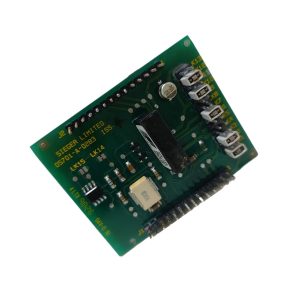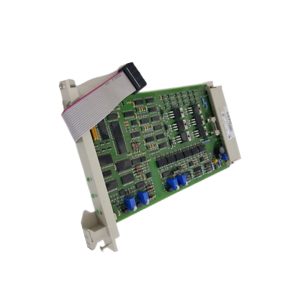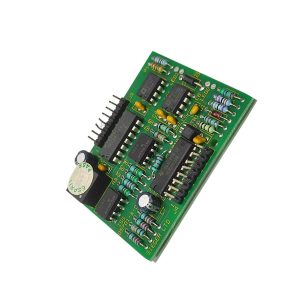
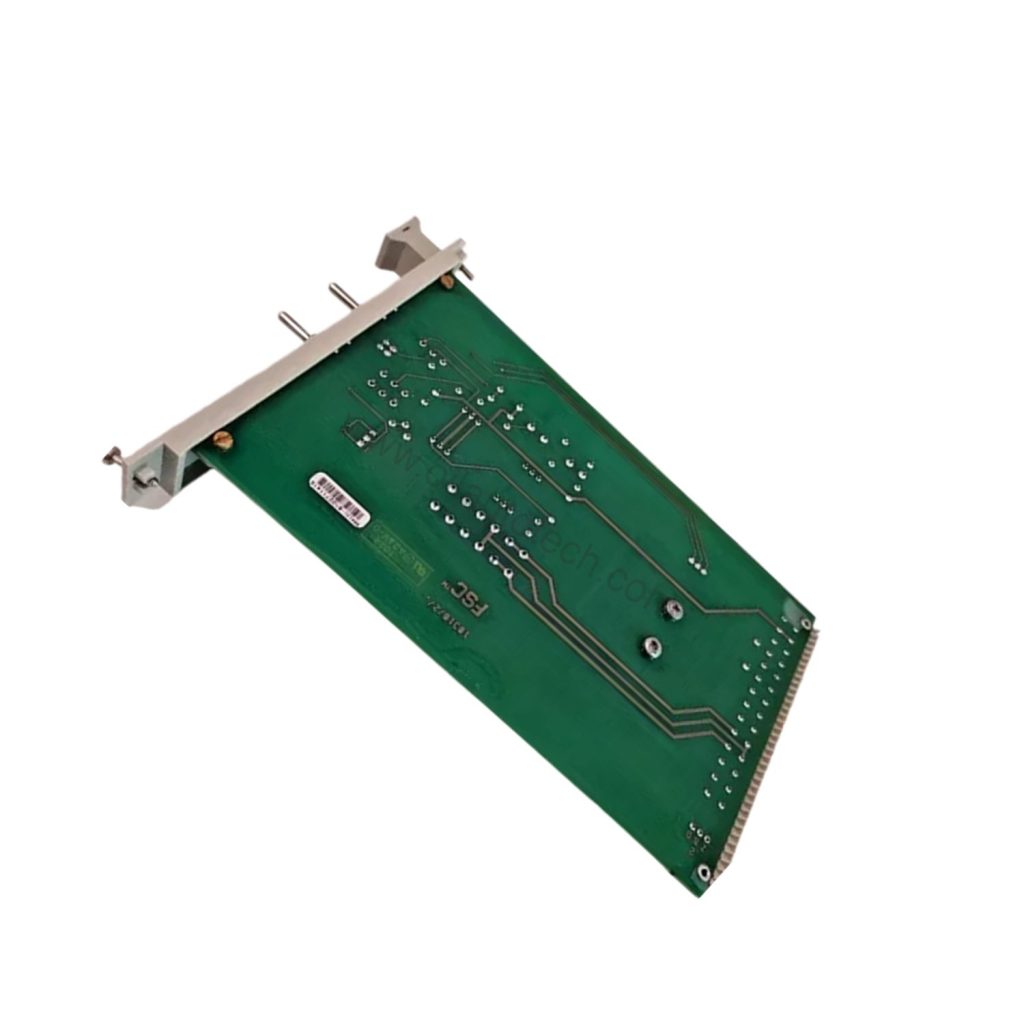
What Is the Honeywell 10310/2/1?
The Honeywell 10310/2/1 is an earth leakage detector (ELD) module built for 24 V DC systems. It continuously monitors the earth connection and flags earth faults before they disrupt operations. This module suits 24 V DC, 48 V DC, 60 V DC and 110 V DC supplies, making it a practical choice for control panels and industrial automation racks.
A manually operated self-test and earth connection monitor (switch 2 in the TEST position) lets technicians confirm module health on the spot. The unit carries CE and UL approvals and is made in the USA.
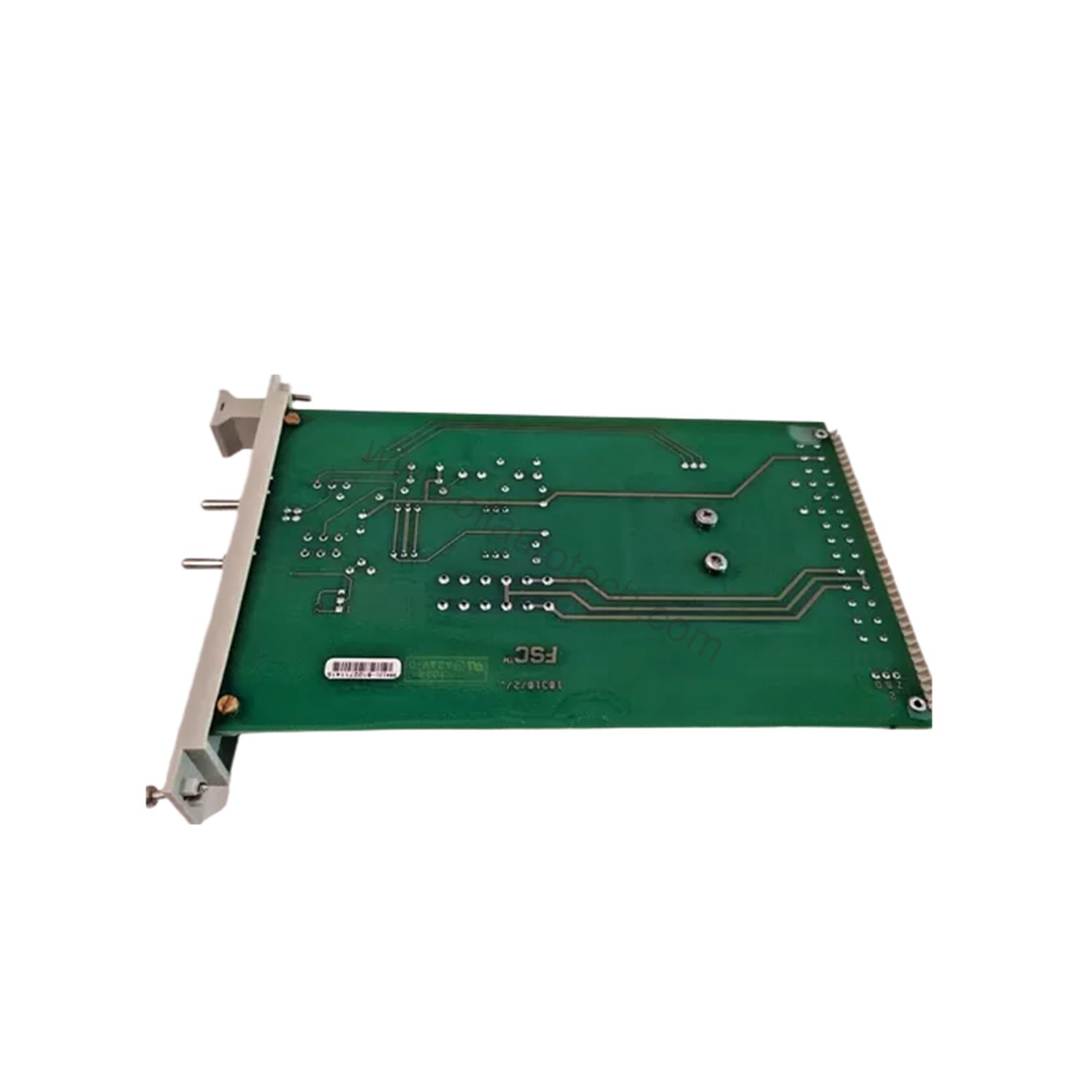
Key Specifications at a Glance
| Parameter | Value |
|---|---|
| Power supply voltage | 24 V DC (max. 30 V DC) |
| Supply current | max. 60 mA |
| Earth voltage (no fault) | -12 V DC |
| Earth fault threshold | -30 to +125 V DC |
| Max. earth current | 5.5 mA (± 1 mA) |
| Output contact max. voltage | 115 V DC |
| Max. output current | 2 A |
| Relay max. current | 5 A |
| Max. switched voltage | 250 V DC / 250 V AC |
| Max. switched load | 100 W / 1000 VA |
| Initial contact resistance | 30 mOhm |
| Electrical life | 100,000 operations |
| Mechanical life | 200,000,000 operations |
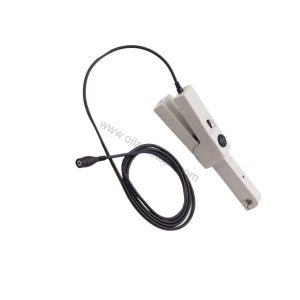
Switch 1 sets the earth connection mode: continuous (DC), interrupting at 1 Hz, or interrupting at 0.25 Hz. The green MODE LED flashes at the selected frequency when 1 Hz or 1/4 Hz is active. Use 1 Hz only for solenoids or relays that could stay energized by negative earth voltage. The 1/4 Hz setting helps locate earth faults with a current clamp such as the DCM300E.
How It Compares to Standard Monitoring
Passive earth monitoring simply watches for voltage drift and reacts late. The 10310/2/1 actively injects a defined earth reference and trips a relay when the threshold is crossed. Compared with basic insulation monitors, it offers:
- Adjustable connection frequency for fault location
- A 5 A relay contact for direct trip circuits
- 200 million mechanical operations for long service life
- Manual self-test without external test equipment
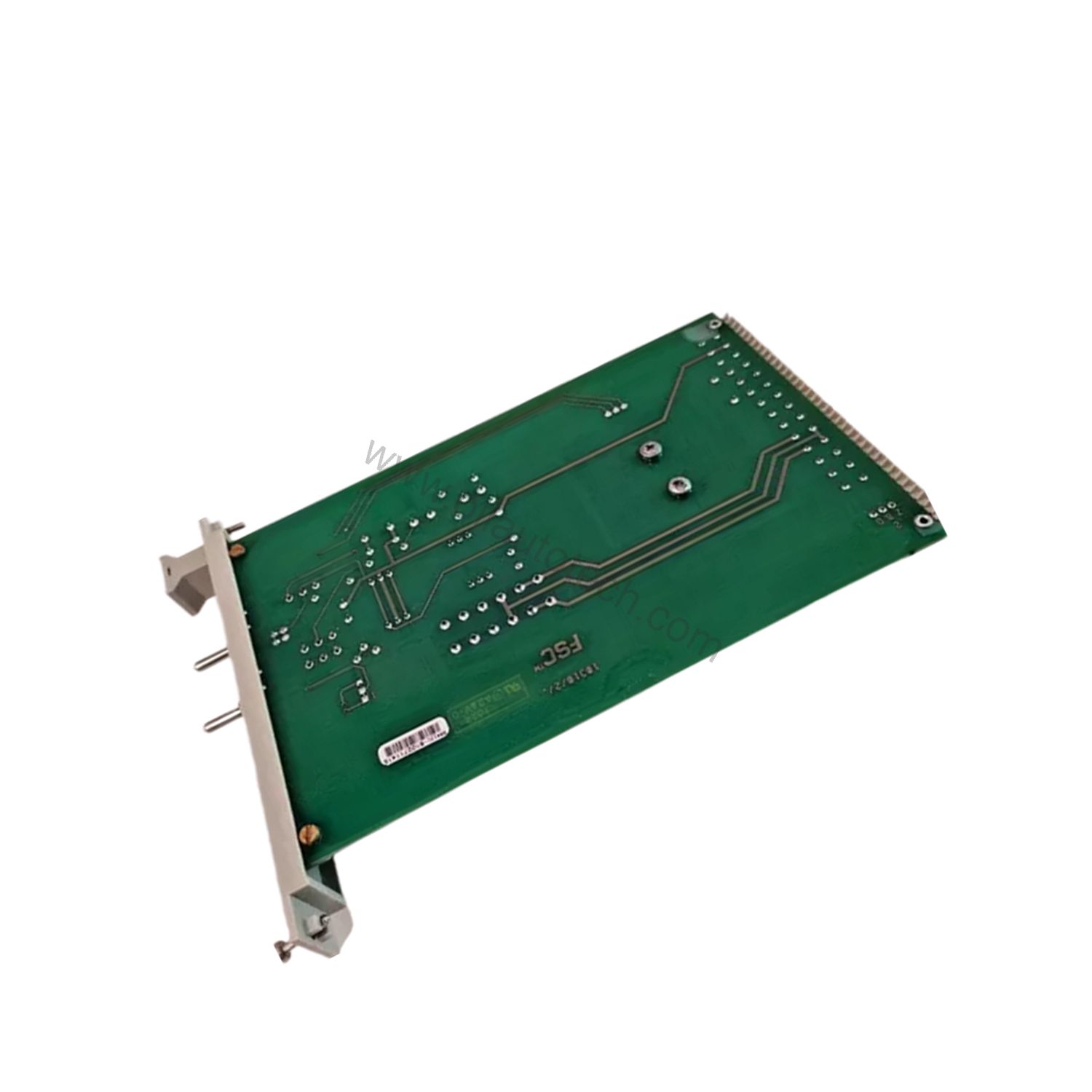
Where It Fits in Your System
Oil and gas control rooms often run 24 V DC and 110 V DC auxiliary supplies. The 10310/2/1 monitors both ranges through the Rst24 (18 to 70 V DC) and Rst110 (40 to 130 V DC) inputs. In a typical panel, it sits alongside trip relays and annunciators, using its 115 V DC output contact to signal a fault to the PLC or alarm system.
For industrial automation racks, the module uses key coding with holes A5, A11 and a rack code with large pins A5, A11. This mechanical coding prevents wrong-slot insertion during maintenance.
Installation and Setup Notes
Mount the module in a compatible rack using the A5 and A11 key coding. Wire the supply to the 24 V DC input and connect the earth reference to the 0 V rail. Set switch 1 to DC for normal operation. Reserve the 1 Hz and 1/4 Hz positions for troubleshooting only.
Before powering up, verify the Rst24 or Rst110 input matches your system voltage. The Rst24 input draws 1.1 mA at 24 V DC; the Rst110 input draws 2.5 mA at 110 V DC. Confirm rack compatibility and cabling with your supplier before ordering.
Maintenance and Reliability
The relay contacts are rated for 100,000 electrical operations and 200 million mechanical operations. Schedule periodic inspection of the self-test function and check the MODE LED behavior. Keep the rack free of conductive dust, since contamination can affect earth leakage readings. For safety-related maintenance, follow the manufacturer’s safety manual and inspect periodically.
Please verify current lifecycle status and availability with Oil AutoTech before ordering.
Selection Checklist
Before you buy, confirm:
- System voltage (24, 48, 60 or 110 V DC)
- Rack type and key coding (A5, A11)
- Required output contact voltage and load
- Whether fault-location mode is needed
Oil AutoTech supplies fast-dispatch spares for oil, gas and industrial automation. Contact Oil AutoTech today for pricing and availability.