When Vibration Data Must Survive Harsh Conditions
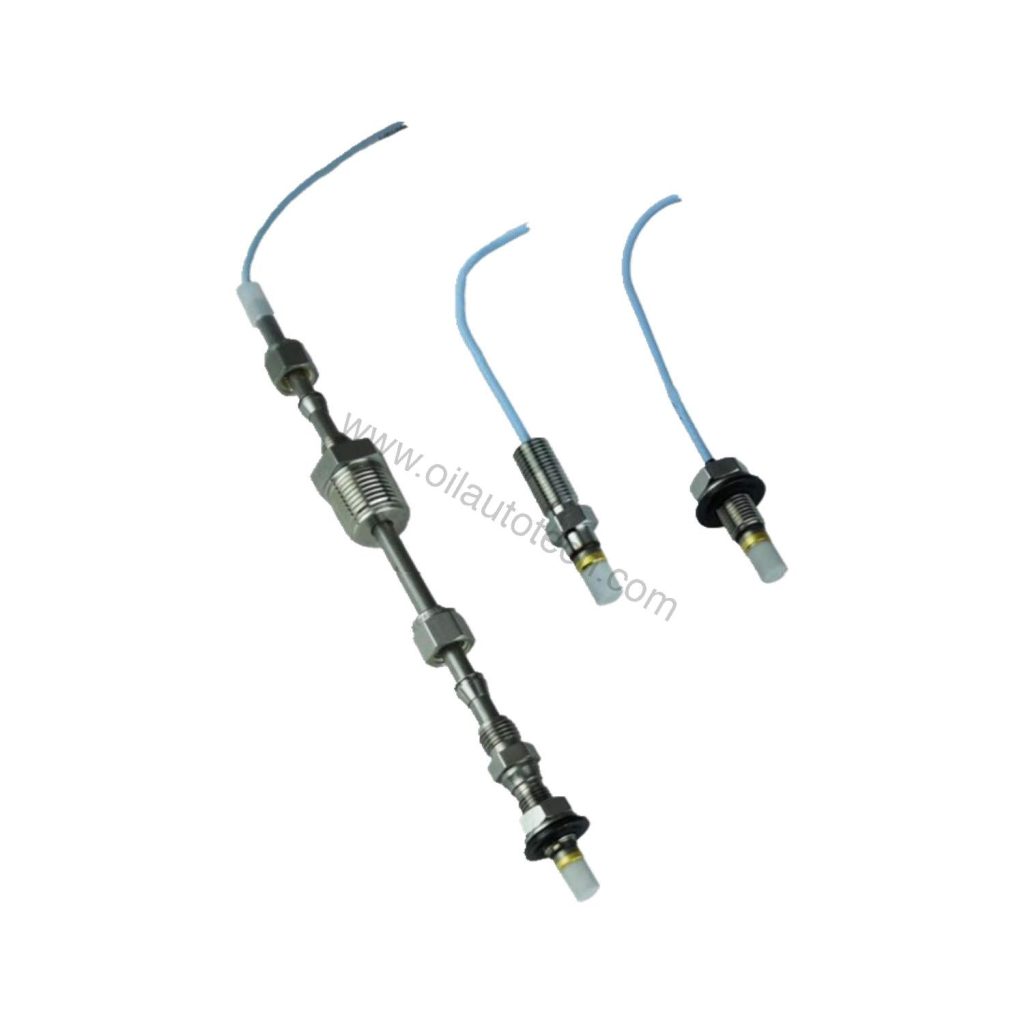
Harsh turbine environments punish ordinary probes. The Bently Nevada 146054-08-90-00-05 solves that with a ceramic capped tip and a 9-metre cable run. This 3300 series probe delivers reliable displacement data for oil, gas and industrial automation teams that cannot afford blind spots.
What Is the 146054-08-90-00-05?
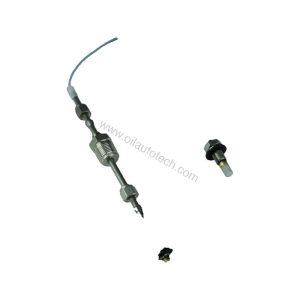
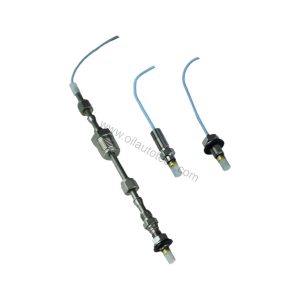
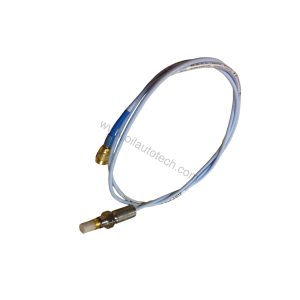
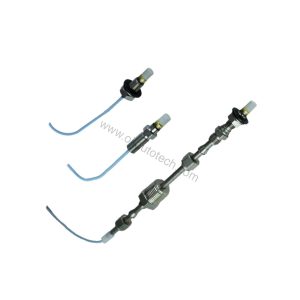
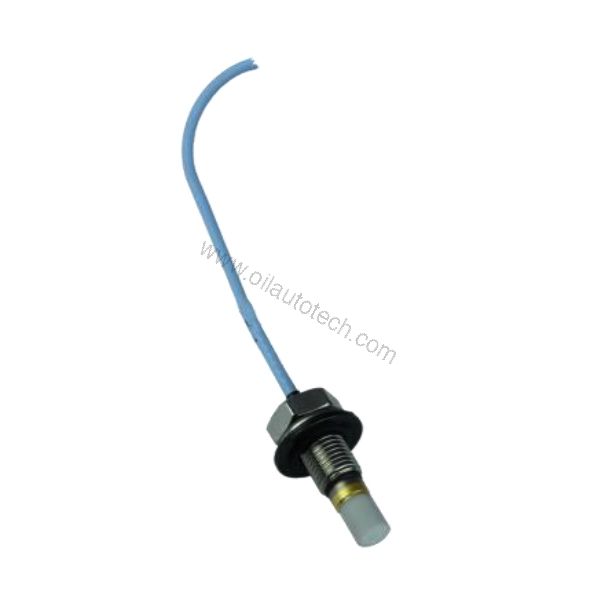
The 146054-08-90-00-05 is a 3300 ceramic capped proximity probe from Bently Nevada. It uses a 3/8-24 UNF case thread and ships without armor. The ceramic tip resists wear in high-temperature zones. A 0.8-inch case length keeps the installation compact. The 9-metre total length reaches distant monitor racks without extra junctions.
Key Parameters That Matter on Site
| Specification | Value |
|---|---|
| Probe case thread | 3/8-24 |
| Overall case length | 0.8 in |
| Total length | 9.0 m (29.5 ft) |
| Connector/cable type | No connector |
| Agency approval | CSA, ATEX, IECEx |
| Probe tip material | Alumina ceramic (Al2O3) |
| Case material | AISI 304 stainless steel |
| Linear range | 1.52 mm (60 mils) |
| Nominal DC resistance | 9.87 ± 0.90 ohms |
| Temperature range | -51°C to +177°C |
| Pressure seal | 34 Bar (500 psi) nitrogen |
| Cable type | 75 Ω coaxial, FEP insulated |
Three specs drive real value. First, the ceramic tip handles heat and abrasion better than standard plastic tips. Second, the 9-metre length covers long cable trays in one piece. Third, the CSA, ATEX and IECEx approvals open the door to hazardous areas.
Where This Probe Earns Its Keep
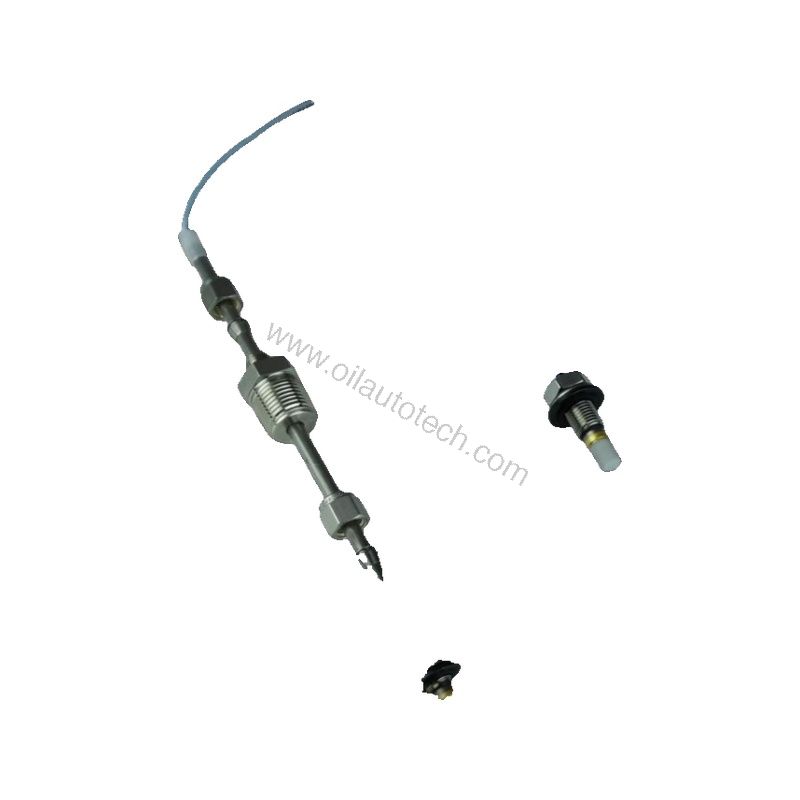
Steam turbine monitoring is a natural fit. The ceramic cap survives high temperatures near the bearing housing. The 9-metre cable reaches the monitor without extension joints.
Compressor skids in gas plants also benefit. The 34 Bar pressure seal keeps nitrogen and process gas away from the sensing element. The AISI 304 stainless case resists corrosion.
Pump trains in refineries use the 1.52 mm linear range for shaft displacement. The 7.87 V/mm scale factor gives a clean signal to the Proximitor sensor.
Fitting and Commissioning Without Guesswork
Mount the probe through a 3/8-24 threaded hole. Set the gap so the target sits inside the 0.25 to 1.78 mm linear window. That window maps to roughly -4 to -16 Vdc. Check the DC resistance at 9.87 ± 0.90 ohms before power-up. Route the FEP cable away from hot surfaces above +177°C. Keep the bend radius generous. The no-connector option means you terminate the coaxial cable at the monitor end. Confirm pinout with your Proximitor sensor manual.
Reliability and Long-Term Value
Ceramic tips resist wear far longer than plastic alternatives. That cuts replacement frequency and downtime cost. Inspect the probe tip during scheduled outages. Look for cracks or deposits. Check cable jackets for chafing. The -51°C to +177°C range covers most plant climates. For higher-pressure duties, ask about modified seals.
Integration Notes
The 3300 system pairs with Proximitor sensors and extension cables. When wiring into plant networks, you may need an external gateway or connection module. Confirm cable types and gateway compatibility with your supplier before ordering.
What to Verify Before You Buy
Check the case thread matches your mounting hole. Confirm the 9-metre length reaches your monitor. Verify the agency approval covers your area classification. The 146054-08-90-00-05 is new and original in factory packing. Please verify current lifecycle status and availability with Oil AutoTech before ordering. Oil AutoTech offers fast-dispatch spares for oil, gas and industrial automation. Contact Oil AutoTech today for pricing and availability.
FAQs
What is the linear range of the 146054-08-90-00-05?
It is 1.52 mm (60 mils), from 0.25 to 1.78 mm from the target.
What approvals does this probe carry?
CSA, ATEX and IECEx.
What is the probe tip material?
Alumina ceramic (Al2O3).
What is the maximum pressure seal rating?
34 Bar (500 psi) nitrogen.
What is the operating temperature range?
-51°C to +177°C (-60°F to +351°F).