Product Overview
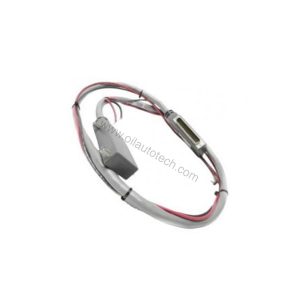
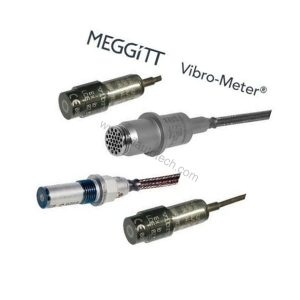
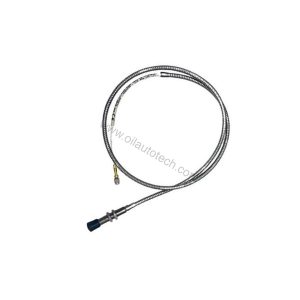
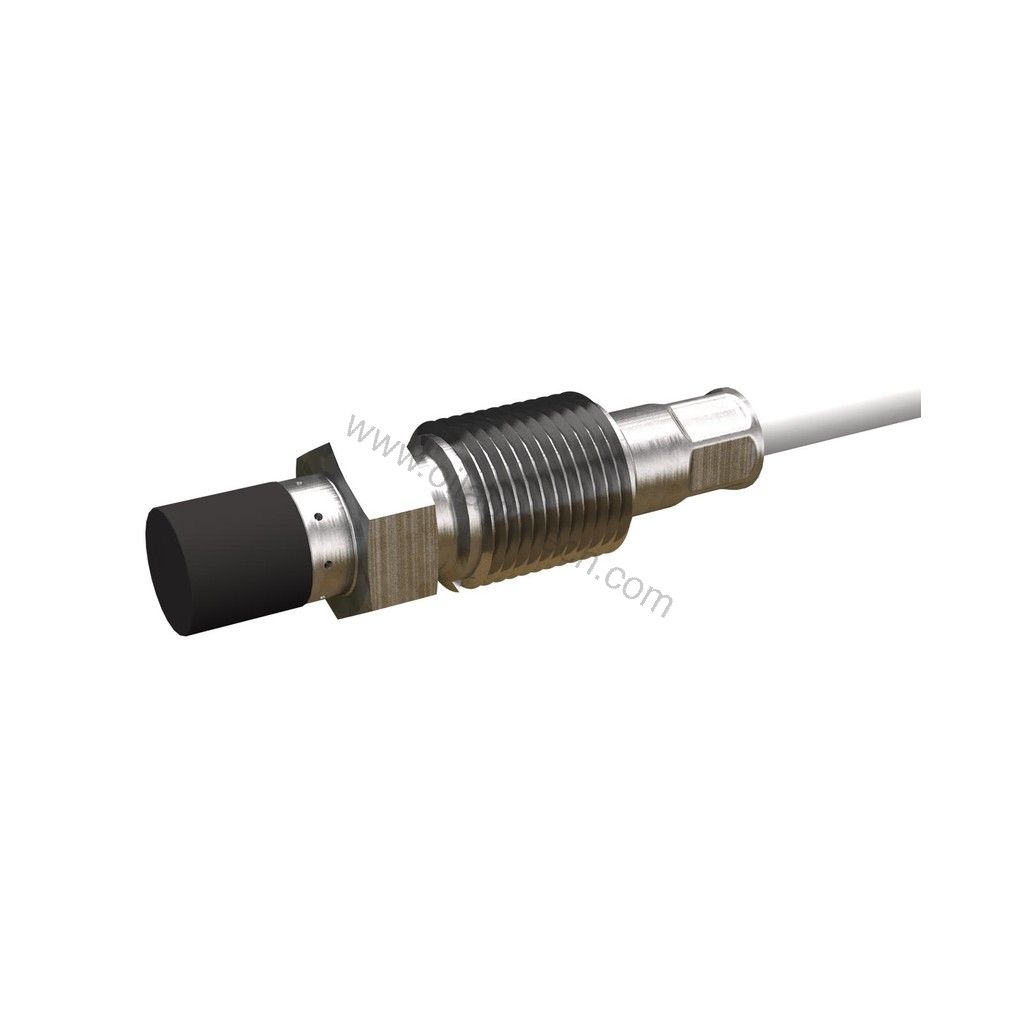
Downtime in oil, gas, and industrial automation often traces back to one failed measurement chain. The 111-902-000-012-A1-B6-C092-D2-E500-F0-G0-H05 is a complete Vibro Meter TQ902 proximity measuring system from Meggitt, built for non-contact eddy-current measurement. This configuration includes a TQ902 sensor with a 92 mm body, 3/8″-24UNF thread, 500 mm integral cable, and a 5 m total system length. It weighs just 0.22 kg, so installation is practical and fast.
Technical Specifications
| Specification | Value |
|---|---|
| Manufacturer | Meggitt (Vibro-Meter) |
| Product Type | Proximity Measuring System |
| Sensor Model | TQ902 |
| Body Thread | 3/8″-24UNF |
| Body Length | 92 mm |
| Integral Cable Length | 500 mm ±50 mm |
| Total System Length | 5 m |
| Sensor Temperature Range | −40 to 180°C (−40 to 356°F) |
| Frequency Response | DC to 20 kHz (−3 dB) |
| Linear Measurement Range | 2 or 4 mm |
| Protection Rating | IP68 (sensor head) |
| Weight | 0.22 kg |
Cost-Saving Performance in Real Applications
Each specification carries a direct cost implication. The 5 m total system length reduces the need for extension cables, cutting material and labor costs. The IP68-rated sensor head survives washdowns and harsh environments, lowering replacement frequency. The wide −40 to 180°C operating range keeps the sensor online in extreme process areas, avoiding unplanned shutdowns. With DC to 20 kHz frequency response, the system captures fast vibration events that could otherwise damage rotating machinery. The 2 or 4 mm linear range suits API 670 5th edition measurement chains, helping you avoid overspending on over-specified equipment.
Where This System Pays Off
In oil and gas, this TQ902 system monitors compressor and turbine shaft vibration. The IP68 head withstands oily, wet conditions, while the 5 m chain reaches junction boxes without extra cable. In power generation, it tracks rotor displacement on steam turbines. The temperature-compensated design holds drift under 5% from −30 to 150°C, so readings stay reliable through thermal cycling. For industrial automation, the 3/8″-24UNF thread mounts quickly on standard brackets, reducing installation labor. Each application benefits from fewer spares, less downtime, and predictable maintenance budgets.
Installation and Integration Notes
The sensor requires a high-frequency power source from an IQS900 signal conditioner. The self-locking miniature coaxial connectors hand-tighten until locked, preventing vibration-induced disconnects. The 500 mm integral cable and 5 m total length simplify routing. If you integrate into a fieldbus network, confirm gateway or connection module needs with your supplier. The removable screw-terminal connectors on the IQS900 support DIN-rail mounting for fast cabinet work. Always verify current lifecycle status and availability with Oil AutoTech before ordering.
Maintenance That Protects Your Investment
Inspect the sensor tip and cable periodically for mechanical damage. Check connectors for tightness and contamination. The stainless-steel body and PPS tip resist most chemicals, but confirm compatibility with your process fluids. Keep spare units ready to avoid production losses. For safety-related contexts, follow the manufacturer’s safety manual and perform general periodic inspections only.
Frequently Asked Questions
What is the measurement range of this TQ902 system?
The linear measurement range is 2 or 4 mm, depending on configuration. Confirm your required range with Oil AutoTech.
Does the 111-902-000-012-A1-B6-C092-D2-E500-F0-G0-H05 include a signal conditioner?
No. It requires an IQS900 signal conditioner for operation.
What is the maximum cable distance for current-signal transmission?
Current-signal transmission works over distances up to 1 km.
Is this system suitable for hazardous areas?
Standard versions are available, and Ex versions are certified for hazardous areas. Verify your specific environment with Oil AutoTech.
How often should I inspect the sensor?
Inspect periodically for damage and connector integrity. Follow your plant’s maintenance schedule and the manufacturer’s safety manual.